Gifts for apartment balcony gardeners growing vegetables in containers under $75
A six-inch tomato plant on a tenth-floor balcony is an act of stubbornness, and the person growing it knows exactly what they're doing. What they probably don't have is the right tool for the one thing that keeps tripping them up — watering consistency, vertical space, soil that actually performs in a pot.
Item 1
A self-watering planter with a reservoir that holds enough water to go two weeks without attention. Built for exactly the scenario where someone leaves for a long weekend and comes back to dead tomatoes. Fifteen gallons is enough for a full-size indeterminate variety; the wicking system does the work when they can't.
“The one reliable rule of gift-giving: anything that makes them look more serious at what they love will be received with disproportionate gratitude.”
Item 2
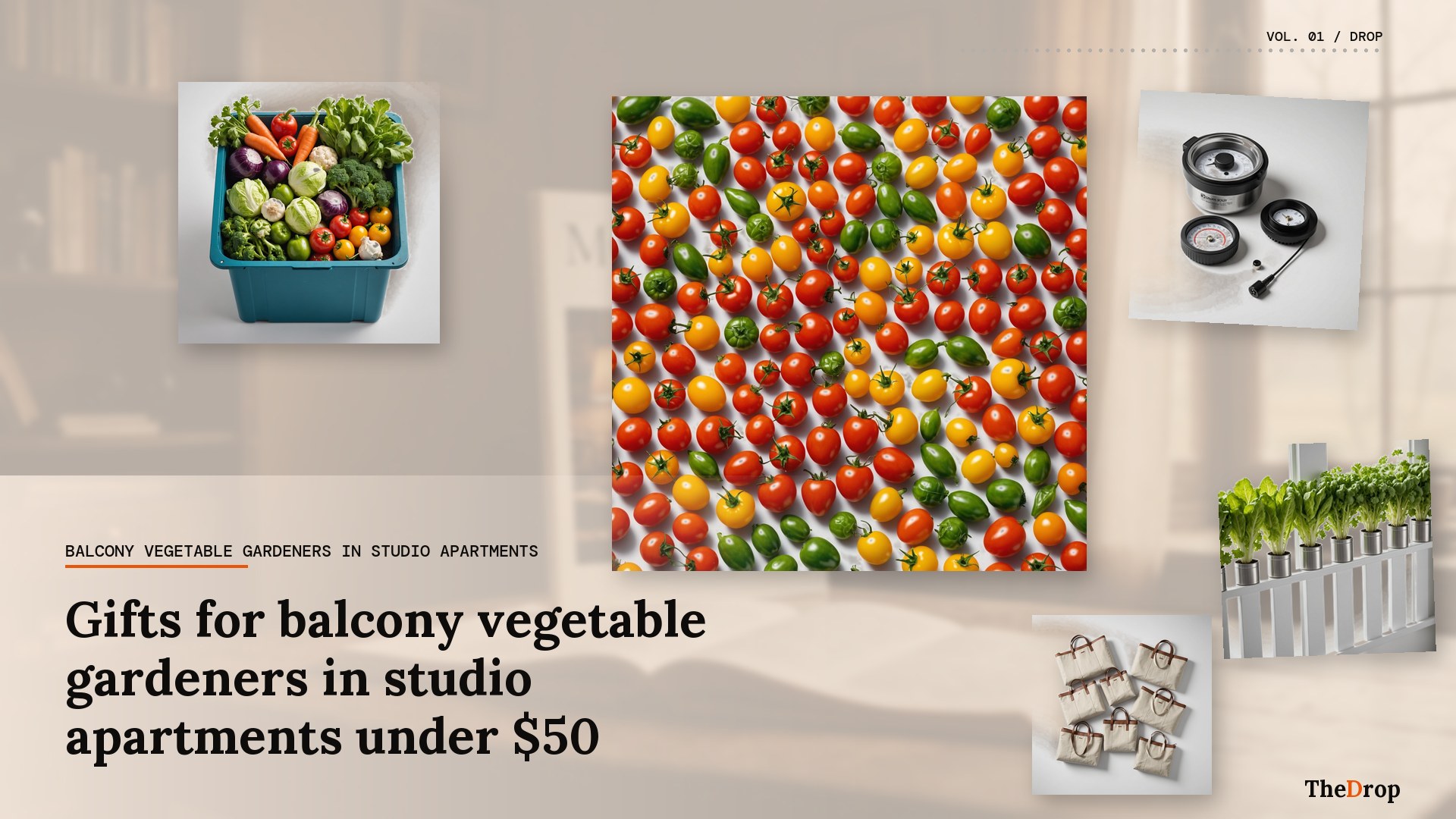
Five fabric pots for under twenty dollars. The fabric breathes, which stops roots from circling and rotting the way they do in plastic — a real problem in containers that sit in summer heat. Handles make them movable. A balcony gardener expanding from two pots to seven will find this pack disappears fast.
Item 3
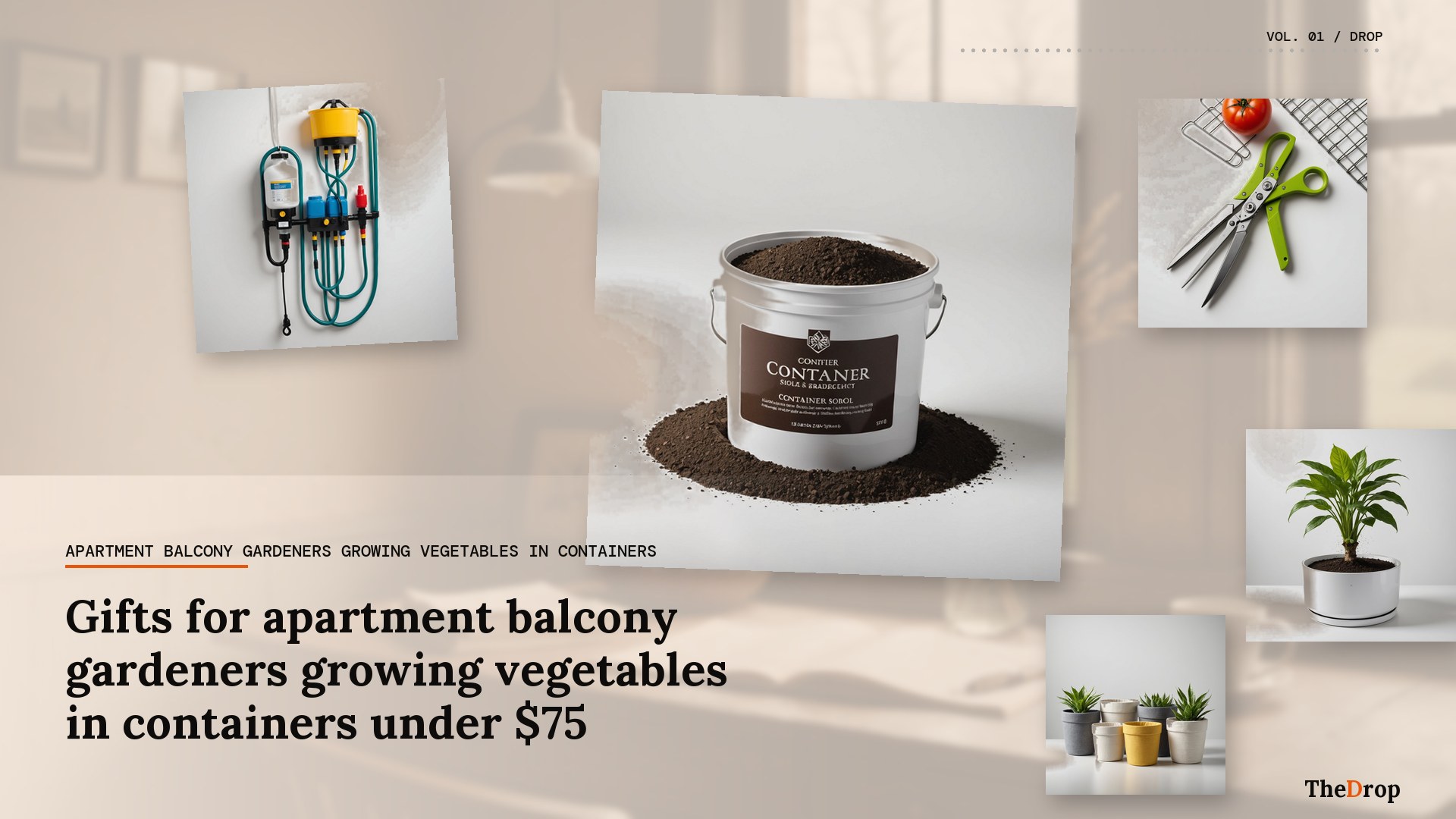
Container soil is not garden soil and garden soil is not container soil. This one is formulated to drain well in a pot while holding enough moisture between waterings — and the built-in fertilizer covers the first six months. For someone whose tomatoes have yellowed every year, the problem is probably what they filled the pot with.
Item 4
A 1.3-gallon watering can with a long spout that reaches the back of a deep planter without tilting the whole can. The rose head breaks water into a fine shower that won't flatten seedlings or wash soil out of a grow bag. Haws makes watering cans the way someone who actually waters plants would design them.
Item 5
A drip system that connects to a hose bib and runs tubing to each container individually. The 108-piece kit sounds like overkill until you're staring at eight pots in August heat and calculating whether you can get home from work in time. Set the emitters once, adjust the flow, stop thinking about it.
Item 6
A probe that reads actual moisture in the soil and shows it on a small LCD. Stick it in, read the number, decide whether to water. Overwatering kills more container vegetables than underwatering does — the roots suffocate before the leaves show any sign. This removes the guesswork that most balcony growers are getting wrong.
Item 7
An organic slow-release fertilizer that feeds container vegetables for three months without the ammonia smell that makes balcony composting socially inadvisable. OMRI-listed, which matters for someone growing food they're actually eating. Granular format means one application and done — not a weekly liquid routine.
Item 8
Spring-loaded snips with narrow blades that fit into the tight geometry of a container — between a tomato cage wire, around a pepper stem, through a dense basil plant. Non-stick coating keeps sap from gumming the blades. The kind of tool that makes a grower wonder what they were doing with kitchen shears.
Item 9
A 5x15-foot netting that trains cucumbers, beans, or indeterminate tomatoes to grow up instead of out. The 4-inch mesh is wide enough for the fruit to develop without getting trapped. Clips to a railing or a freestanding frame. On a small balcony, the difference between growing vertically and not is often the difference between two plants and six.
Item 10
Craig LeHoullier spent years cataloguing heirloom tomato varieties, and this book covers over 200 of them — with specific guidance on which ones perform in containers. For the balcony grower who keeps buying the same four varieties at the nursery and suspects there's more, this is the book that opens the rabbit hole.
Fork it. Make it yours. Share before their birthday.
Friends claim items. No duplicates. No awkward conversations.