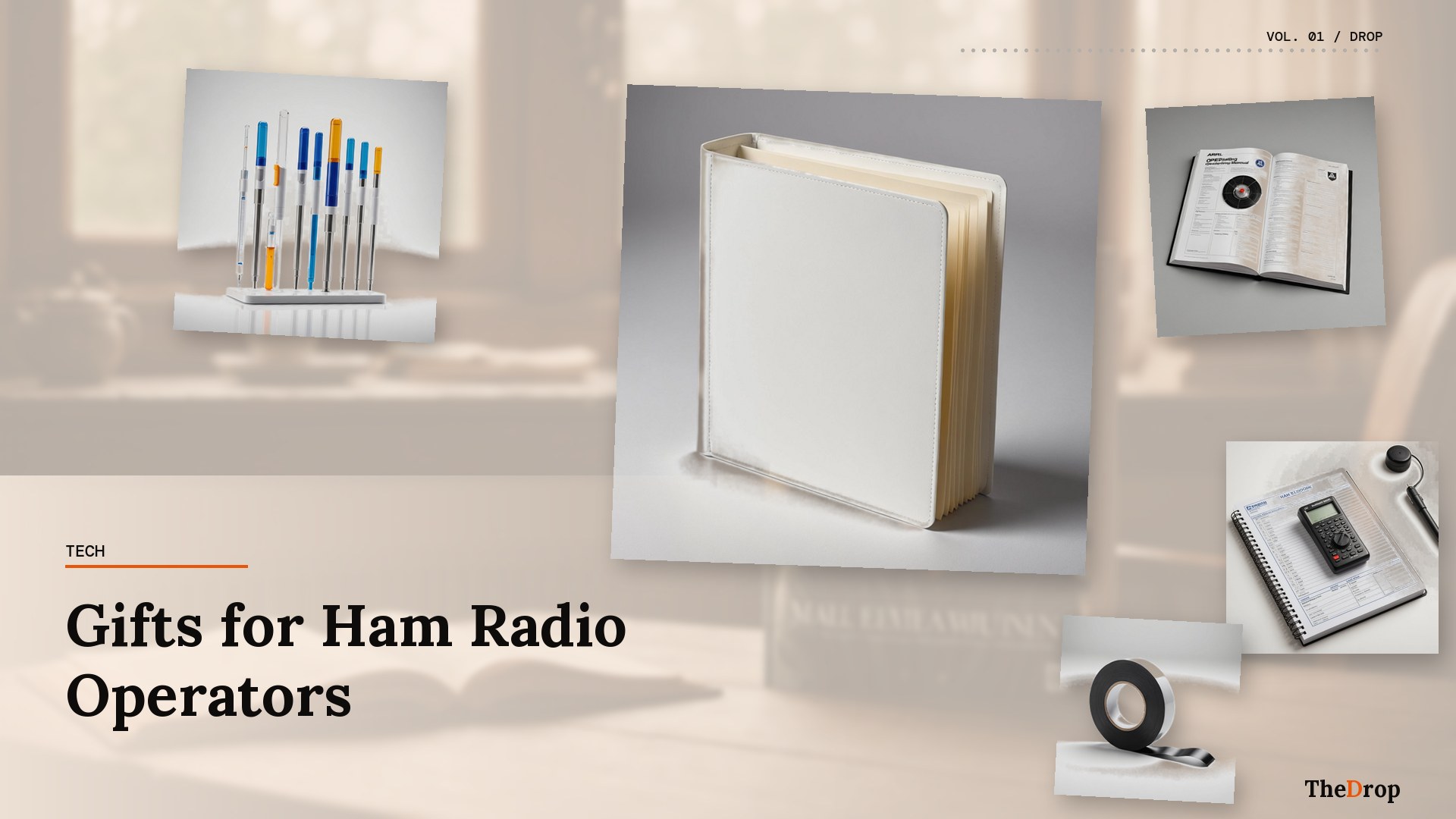
Gifts for Ham Radio Operators
Ham radio gifting starts and stops at "a radio" — which costs $500 and requires knowing their exact band preferences — so this drop lives in the accessories universe where the right gift earns authority with a licensed operator.

ARRL Operating Manual (14th Edition, Hardcover)
The canonical reference that every licensed amateur radio operator either owns or has been meaning to buy — covering operating practices for HF, VHF, UHF, satellite, digital modes, and emergency communications in a single volume. The ARRL Operating Manual is the book that answers the operating questions that the license exam never covered.
“The one reliable rule of gift-giving: anything that makes them look more serious at what they love will be received with disproportionate gratitude.”
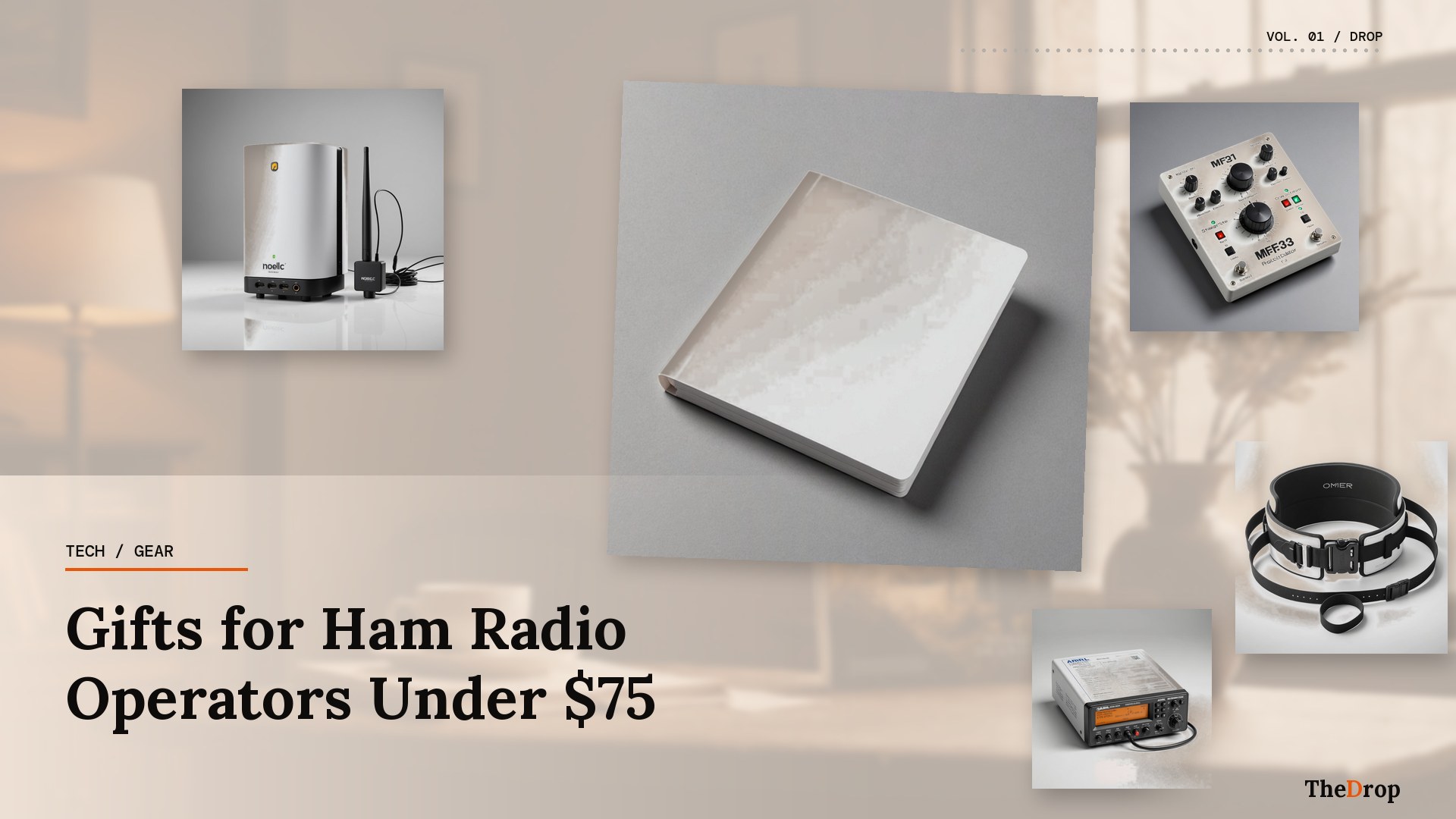
QSL Card Album — Binder with Polypropylene Pockets (200 Slots)
A binder with clear polypropylene pockets sized for standard QSL cards — the confirmation cards exchanged between amateur radio operators after a confirmed two-way contact. Collectors who pursue DX (long-distance) contacts accumulate cards from hundreds of countries; the album that organizes them is the gift that says the giver actually understands the hobby.
Ham Radio Station Logbook (Large Format, 200 Pages, Waterproof Cover)
A station logbook with pre-printed columns for date, time (UTC), band, mode, call sign, signal report, and name — the paper record that FCC rules require and that experienced operators prefer to digital logging for the satisfying weight of a filled volume. 200 pages covers several years of weekend DX operating.
Coax Seal Self-Fusing Electrical Tape (2-Pack, 3/4" x 10ft)
Self-fusing weatherproofing tape for outdoor coaxial connector seals — the consumable that every antenna installation uses eventually and that every ham radio operator runs low on before a winter storm. It stretches and fuses to itself without adhesive residue, creating a watertight seal at PL-259 and SO-239 connections.
ARRL Extra Class License Manual (for FCC Amateur Radio)
The official ARRL study guide for the Extra class license examination — the top tier that unlocks all amateur radio privileges including the most coveted HF frequencies. The gift for the Technician or General class operator who has been saying they'll upgrade for two years. The examination fee is $15; this book is the preparation.
Custom QSL Cards (100-Card Print, Double-Sided, Call Sign Design)
Custom-printed QSL cards with the operator's call sign, grid square, and station details — the confirmation cards that ham radio operators mail after a contact to acknowledge and log the communication. An operator who has been using generic cards or delaying ordering their first run will use these for years.
Fork it. Make it yours. Share before their birthday.
Friends claim items. No duplicates. No awkward conversations.