Gifts for Home Cheesemakers
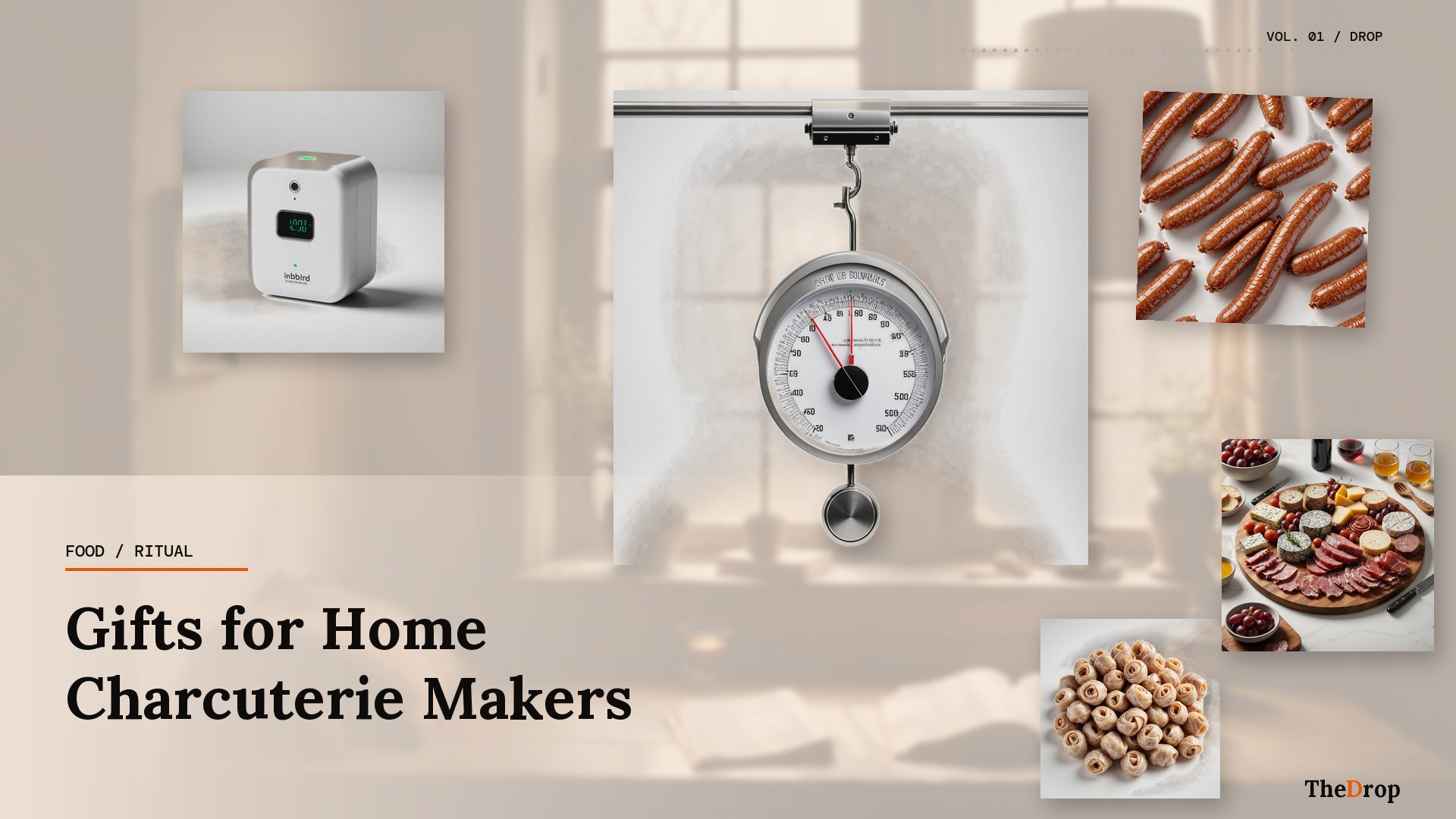
Home cheesemaking is the craft hobby hiding in plain sight — more people do it than gift guides know. The best gifts are the consumables that professionals take for granted and hobbyists have to seek out: the right cultures, proper cheese salt, and the molds that give fresh cheeses their shape. This drop treats cheesemaking as the serious culinary skill it is, not a quirky weekend project.
New England Cheesemaking Supply Starter Culture Kit
Mesophilic culture, thermophilic culture, lipase, and rennet — the kit that enables the first six months of recipes. Community-canonical, practically invisible to anyone outside the hobby. The gift that unlocks the whole practice.
“The one reliable rule of gift-giving: anything that makes them look more serious at what they love will be received with disproportionate gratitude.”
Ricki's 30-Minute Mozzarella and Ricotta Kit
The entry kit that produces a real result in under an hour — fresh mozzarella that tastes nothing like the supermarket kind. For the home cheesemaker's first successful batch or a friend who has been curious.
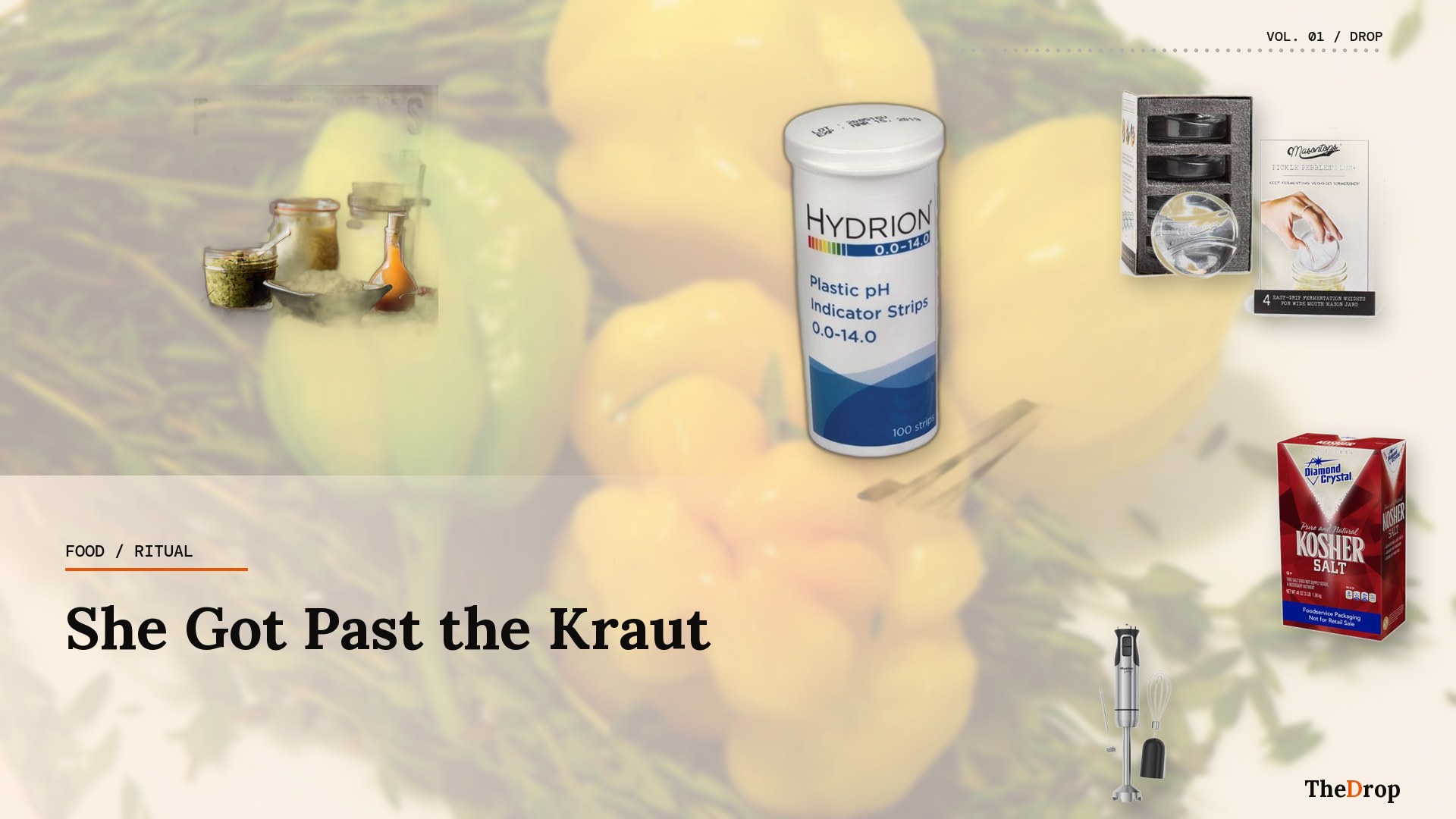
Dairy Thermometer for Cheesemaking
A dedicated thermometer that never migrates to the meat drawer — accurate to within a degree at every critical phase from milk heating to culture addition. The tool that makes cheesemaking replicable.
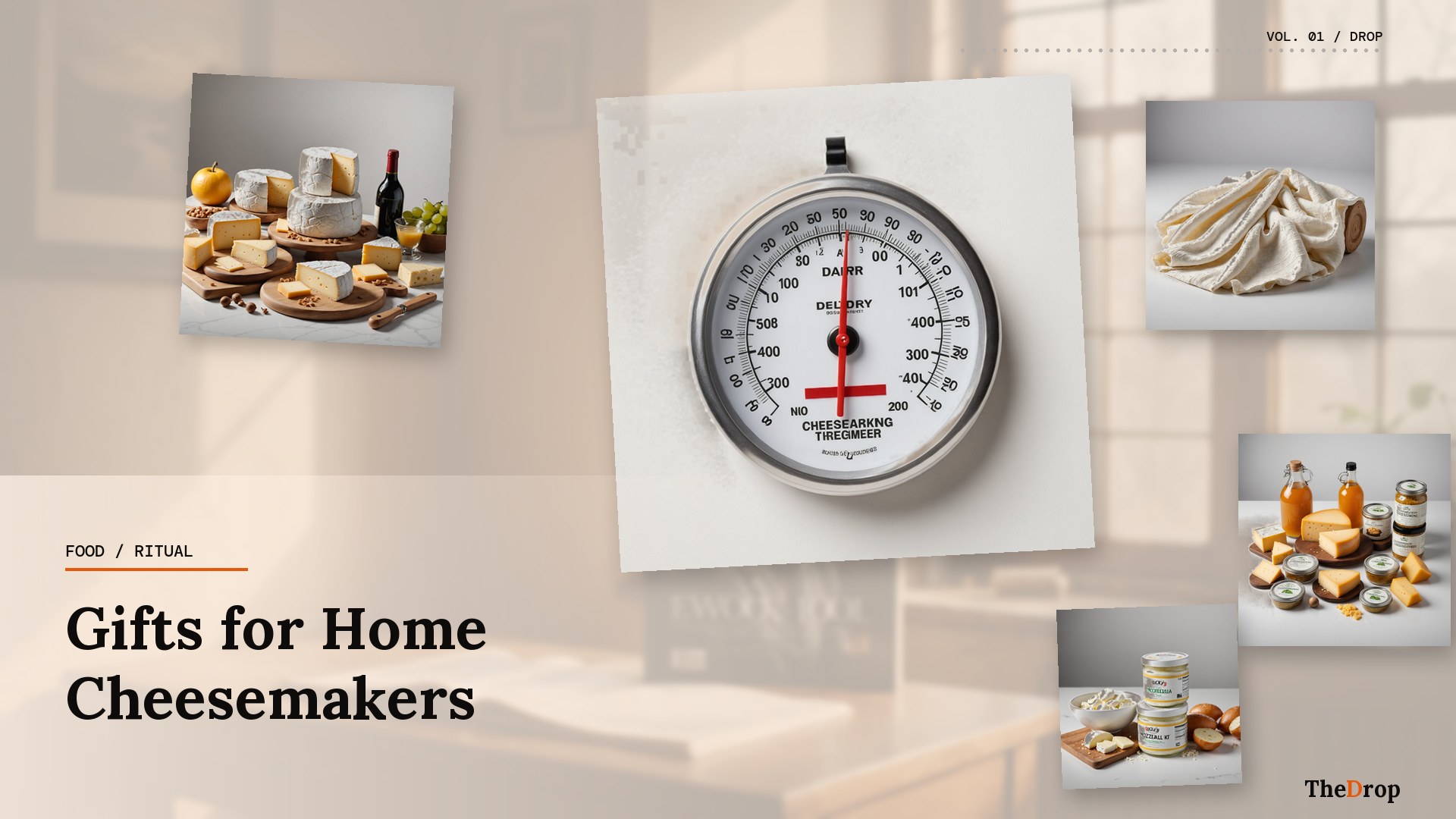
Cheese Molds Set — Various Shapes
Basket molds, cylinder molds, and Saint-Marcellin forms for soft cheeses. The set that lets a home cheesemaker move from ricotta in a colander to shaped fromage blanc that actually looks like something they made on purpose.
Saltworks Pure Ocean Non-Iodized Flake Salt
Iodine kills cultures. Non-iodized flake salt is not optional in cheesemaking — it is the specific ingredient that most home cheesemakers buy wrong the first time. A gift that tells them the giver has done the research.
Home Cheesemaking by Ricki Carroll
The definitive introductory reference — recipes for thirty varieties, troubleshooting guides, and the culture-to-recipe framework that makes each project less experimental. The book the home cheesemaking community cites most.
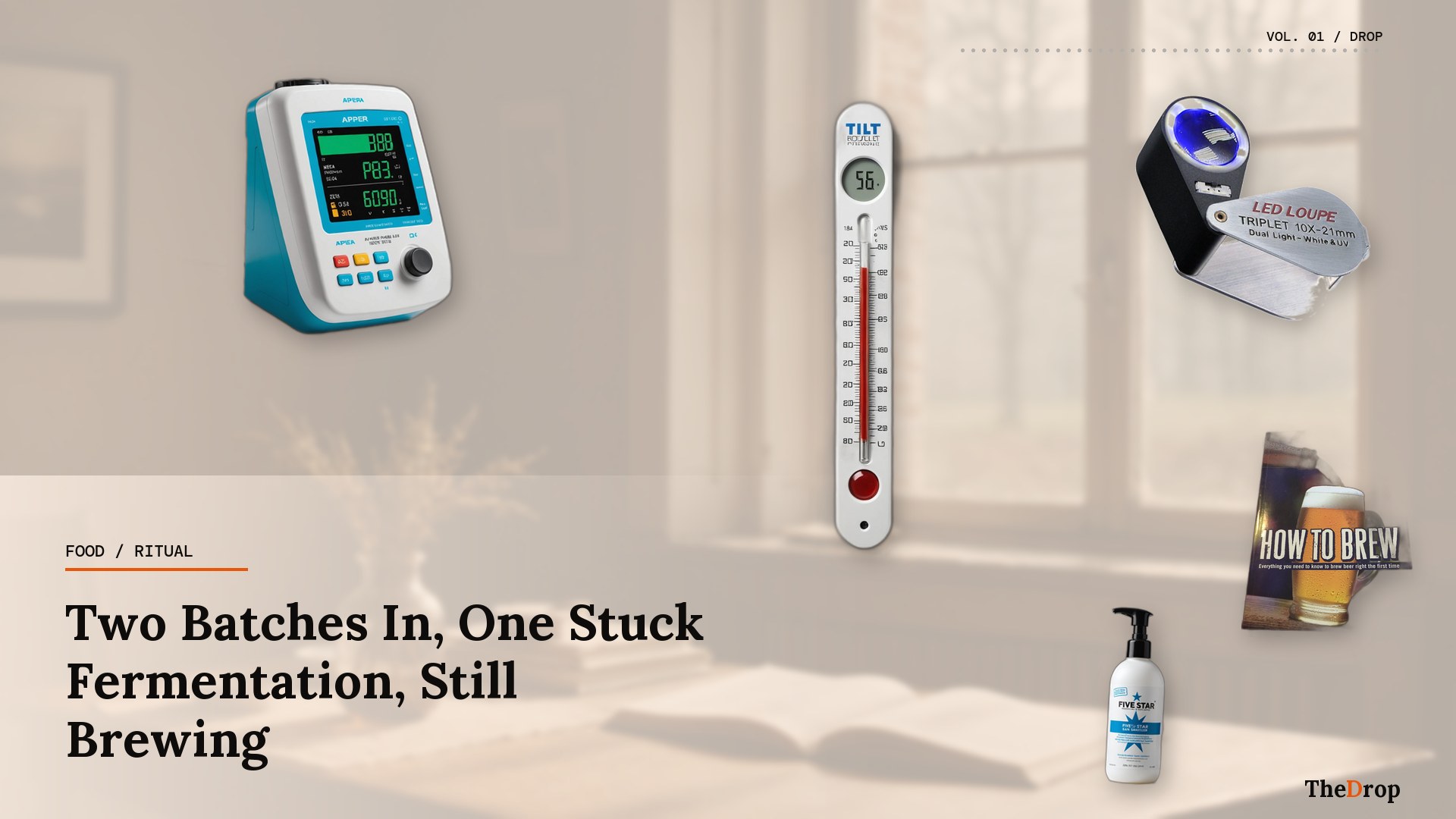
Cheesecloth Grade 90 — Fine Weave
Grade 90 is tight enough for ricotta draining and fine enough for soft-cheese pressing without the fine curd pushing through. The consumable that runs out faster than expected and is worth having in bulk.
Penicillium Candidum — White Mold Powder
The culture that creates the white rind on Brie and Camembert — the step that separates the cheesemaker making fresh soft cheese from the one making aged soft-rind cheese. A small packet that opens the next chapter of the hobby.
Fork it. Make it yours. Share before their birthday.
Friends claim items. No duplicates. No awkward conversations.