Gifts for Kombucha Brewers
The kombucha brewer who has been at it for more than a year isn't looking for a starter kit. They've named their SCOBY, they have opinions about tea sourcing, and they've already worked through two batches of too-sweet first fermentation. These gifts are the tools that experienced brewers reach for when they stop guessing and start measuring — and the accessories that signal someone actually understands what they do.
Apera Instruments PH20 Pocket pH Meter (±0.1 Accuracy, 2-Point Cal)
A pocket digital pH meter accurate to 0.1 units with two-point calibration — the tool that turns 'I think it's ready' into an actual number. Finished first-fermentation kombucha should read between 2.5 and 3.5 for both flavor and safety. Brewers who switch from strips to a digital meter describe the change as immediate and irreversible. The measurement upgrade that changes how brewing decisions get made.
“The one reliable rule of gift-giving: anything that makes them look more serious at what they love will be received with disproportionate gratitude.”
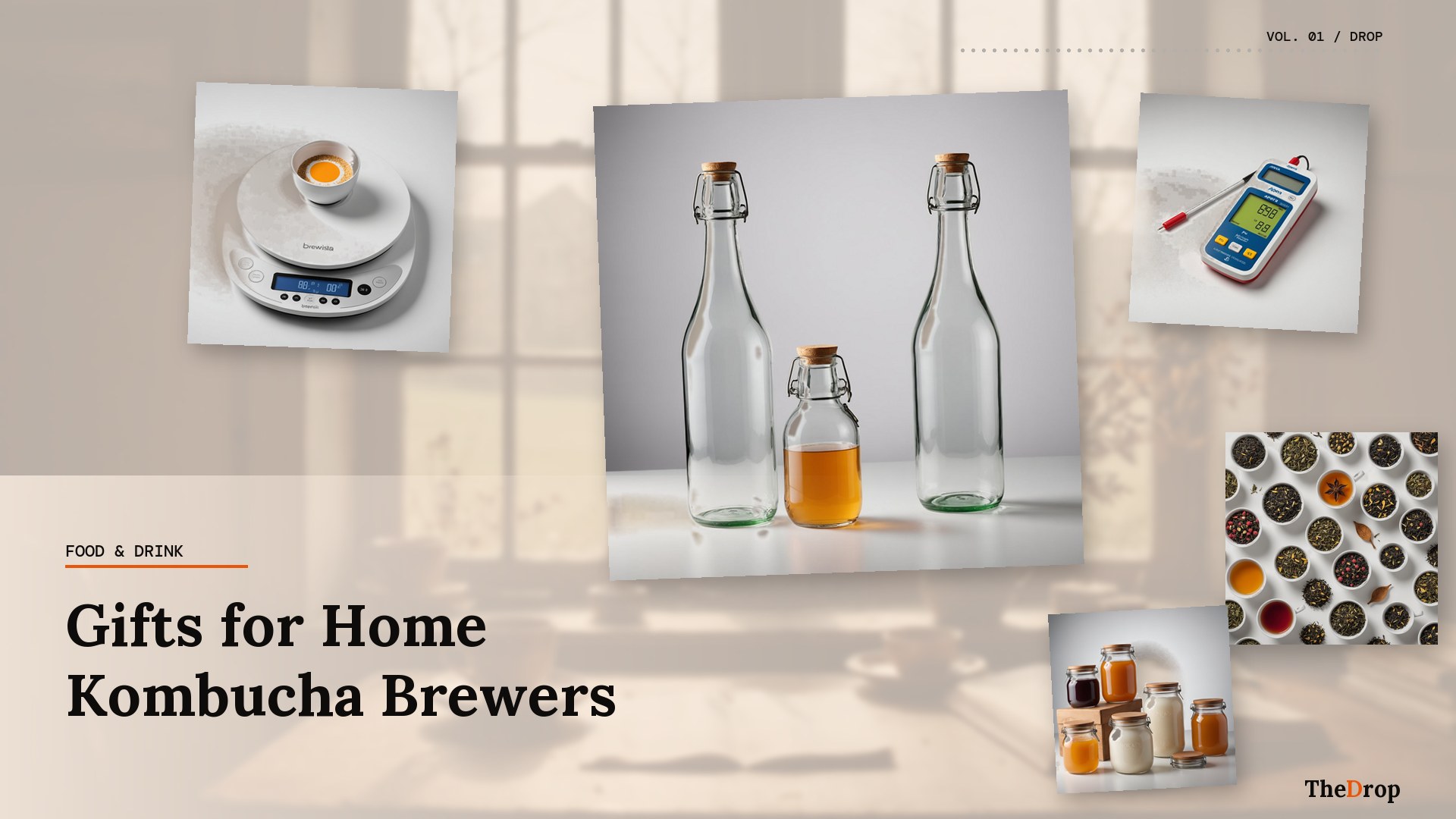
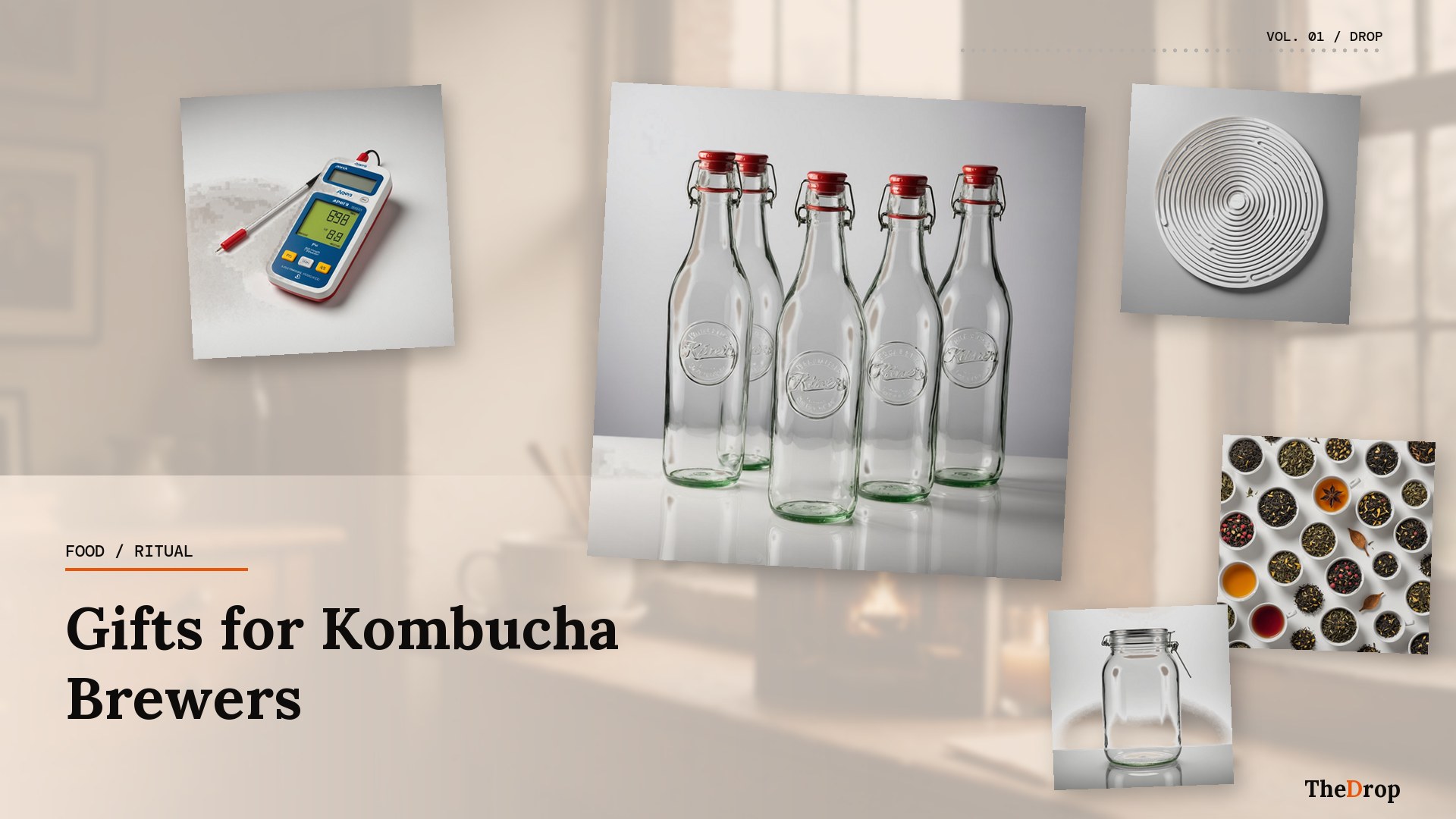
Kilner Swing-Top Glass Bottles (16 oz, 6-Pack, Carbonation-Safe)
Swing-top glass bottles built to hold second-fermentation carbonation pressure — not the flip-tops made for still beverages that fail at the seal under active fizz. The 16-ounce size is the standard serving bottle for kombucha: small enough to monitor carbonation individually, large enough to share. Brewers using mason jars for F2 understand what they've been missing after one session with proper bottles.
Fermentation Heating Mat (10"x20", Seedling/Kombucha Dual Purpose)
A seedling heating mat that maintains a brewing vessel at 75–80°F — the temperature range where kombucha ferments consistently rather than running fast in summer and crawling in winter. Brewers in cold climates who have puzzled over slow ferments and weak SCOBY growth usually find that temperature is the variable they weren't controlling. A $20 fix to a problem that showed up as inconsistency.
The Big Book of Kombucha by Hannah Crum and Alex LaGory
The reference book the kombucha community calls authoritative — 400 pages on SCOBY health, troubleshooting, flavor recipes, and the microbiology of fermentation without requiring a science degree. Hannah Crum runs Kombucha Kamp and writes from a decade of commercial and home brewing experience. This is the book that goes on the counter rather than the shelf, and gets annotated over years of batches.
Rishi Organic Loose-Leaf Tea Assortment (5 Varieties, 2.5 oz Each)
Premium loose-leaf tea in five varieties for experimenting with kombucha flavor bases — the ingredient variable that changes everything about a finished batch. Cheap tea bags produce a flat kombucha regardless of SCOBY quality. Rishi's organic black, green, white, oolong, and pu-erh teas each ferment differently and produce distinct flavor profiles worth comparing across parallel batches.
1-Gallon Wide-Mouth Glass Jar with Stainless Spigot (Continuous Brew Vessel)
A one-gallon glass jar with a stainless steel spigot — the continuous-brew vessel that lets a brewer draw finished kombucha from the bottom while the culture ferments at the top. Continuous brewing produces a more stable, more consistent culture than batch brewing over time. The setup that experienced brewers transition to when they want daily access without full batch cycling.
Bragg Organic Raw Apple Cider Vinegar (32 oz, Mother Culture, Starter Liquid)
Raw ACV with the mother — the acidic starter liquid that protects a new batch before the SCOBY is established enough to produce its own acid. Using insufficient starter liquid is one of the most common beginner mistakes; too little acid at the start invites contamination. A proper supply of raw ACV gives a brewer the insurance to start new batches confidently.
Muslin Cloth Cover Set (12"x12", 6-Pack, Breathable Cotton)
Unbleached muslin covers for fermentation vessels — breathable enough to let CO2 escape, fine enough to keep fruit flies and dust out. The cheesecloth substitutes that most beginners start with let in too much; plastic wrap doesn't let the culture breathe. A proper muslin cover is a $3-per-cloth upgrade that improves every batch and eliminates one of the most common contamination pathways.
Fork it. Make it yours. Share before their birthday.
Friends claim items. No duplicates. No awkward conversations.