Ink on Cotton. Impression You Can Feel with Your Thumb.
Letterpress printing came back because people wanted something a screen couldn't replicate — the physical impression in cotton stock, the weight of the ink, the slight tactility of the pressed surface that clients run their thumb across before they say yes. The person running a Chandler & Price or Vandercook in a rented studio is managing photopolymer plate registration, Pantone ink mixing, and a stack of Lettra waiting for the next job. Gift editorial ignores this niche entirely. These picks don't.
Van Son Rubber Base Plus Ink — Black, 1 lb
Rubber-base ink stays open on the press for a full session without skinning over — the property that makes it the photopolymer plate standard. Cleans up without solvents. Van Son is the ink the letterpress community runs; this is the black they keep on hand and replenish without thinking.
“The one reliable rule of gift-giving: anything that makes them look more serious at what they love will be received with disproportionate gratitude.”
Boxcar Press Photopolymer Plate Kit — 4x5 KF152 Deep Relief
KF152 deep-relief polymer is the plate type for the tactile impression clients pay for in wedding and event printing — the surface that presses into thick cotton stock and leaves a depression you can feel. The plate format that made the photopolymer revival possible on vintage platen presses.
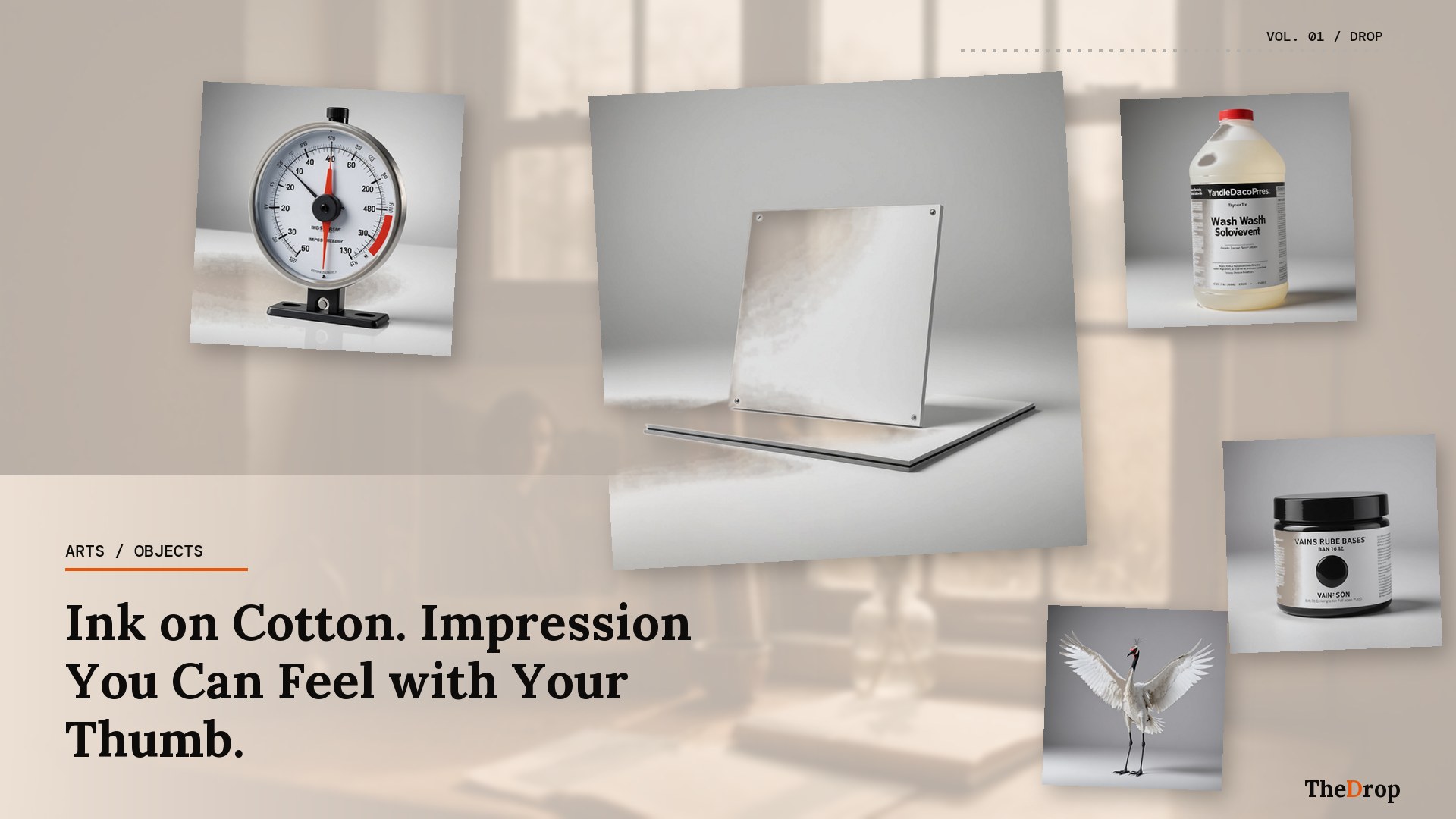
Impression Gauge — Dial Indicator for Makeready Measurement
Impression depth in thousandths of an inch — the measurement that separates intentional makeready from guesswork. Consistent deep impression across a run requires knowing the starting number and adjusting deliberately. The tool that turns press setup from an art into a repeatable process.
Cranes Lettra 110 lb Fluorescent White — 8x10 Sample Pack, 50 sheets
The 100% cotton stock that letterpress clients expect — the paper that holds impression depth without rebounding and saturates ink without bleeding. A client who has held a Lettra print and a coated stock print back-to-back understands immediately why it costs more.
Vandercook Press Type-Wash Solvent — 1 Quart
Removes rubber-base ink from rollers and plates without the fume load of gasoline-based alternatives — the cleanup consumable a serious letterpress printer depletes by the quart and keeps replenished. Not interesting; necessary.
Pantone Formula Guide — Coated and Uncoated
The ink-matching reference that makes client conversations accurate. A printer who can say 'this is PMS 286 C on Lettra' is operating at a different level than one who approximates. The Pantone Formula Guide is the document the studio should have had from the beginning.
Boxcar Base — Standard 7x10 Polymer Plate Carrier
A solid metal base that holds photopolymer plates at the correct type-high on a vintage platen press — the substrate that makes modern polymer plate printing possible without shimming and improvising every job. The infrastructure purchase that stabilizes the whole plate system.
The Letterpress Primer — Book by Paul Moxon
Written for the contemporary letterpress revival, not the 1950s trade — makeready, ink mixing, plate registration, and the operational vocabulary of running a platen press explained for the studio printer working with polymer plates and modern stock. Moxon knows the community he is writing for.
Fork it. Make it yours. Share before their birthday.
Friends claim items. No duplicates. No awkward conversations.