Gifts for Nature Journal Enthusiasts
Nature journaling is about being outside with enough tools to capture what is in front of you before it disappears — the wood thrush before it moves, the light through a beech canopy at 7 a.m., the exact shape of a pileated woodpecker's excavation hole. The best gifts are either paper that takes a wet brush without buckling or field companions that sharpen what the journaler sees.

"The Laws Guide to Nature Drawing and Journaling" by John Muir Laws
The canonical reference for the nature journaling community — John Muir Laws teaches observation as a practice, not a talent, and the book addresses everyone from the person who insists they cannot draw to the experienced naturalist who wants to see more precisely. The Nature Journal Club with 80,000+ members treats this as the foundational text. No general gift list has surfaced it.
“The one reliable rule of gift-giving: anything that makes them look more serious at what they love will be received with disproportionate gratitude.”
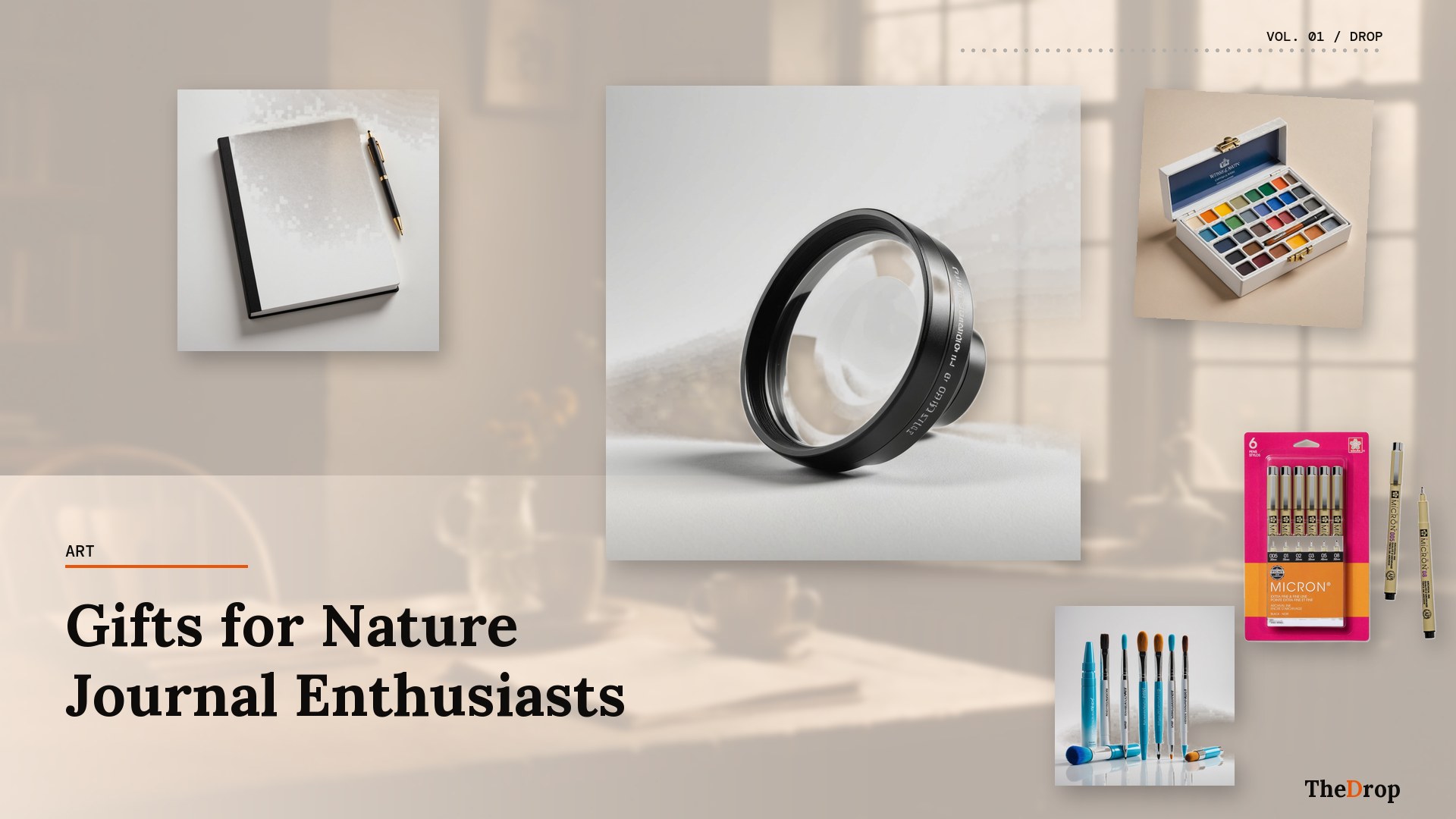
Stillman & Birn Zeta Series Hardbound Sketchbook (5.5x8.5, Ivory)
270gsm cotton-blend paper that holds watercolor washes and ink without cockling, in a hardbound field-portable format — the notebook that the serious nature journaling community recommends when someone asks what they should be using. The ivory tone makes graphite and watercolor read warmer than bright white paper, and the smyth-sewn binding opens completely flat for field work.
Carson MicroFlip 100x-250x LED Pocket Microscope
A pocket-sized LED microscope that flips from handheld loupe to surface microscopy — place it against a lichen patch and the structure comes into view that the naked eye cannot resolve. Nature journalers use the Carson MicroFlip to observe insect wing venation, leaf cell structure, and surface textures that open a new scale of observation for anyone already paying attention to the natural world.
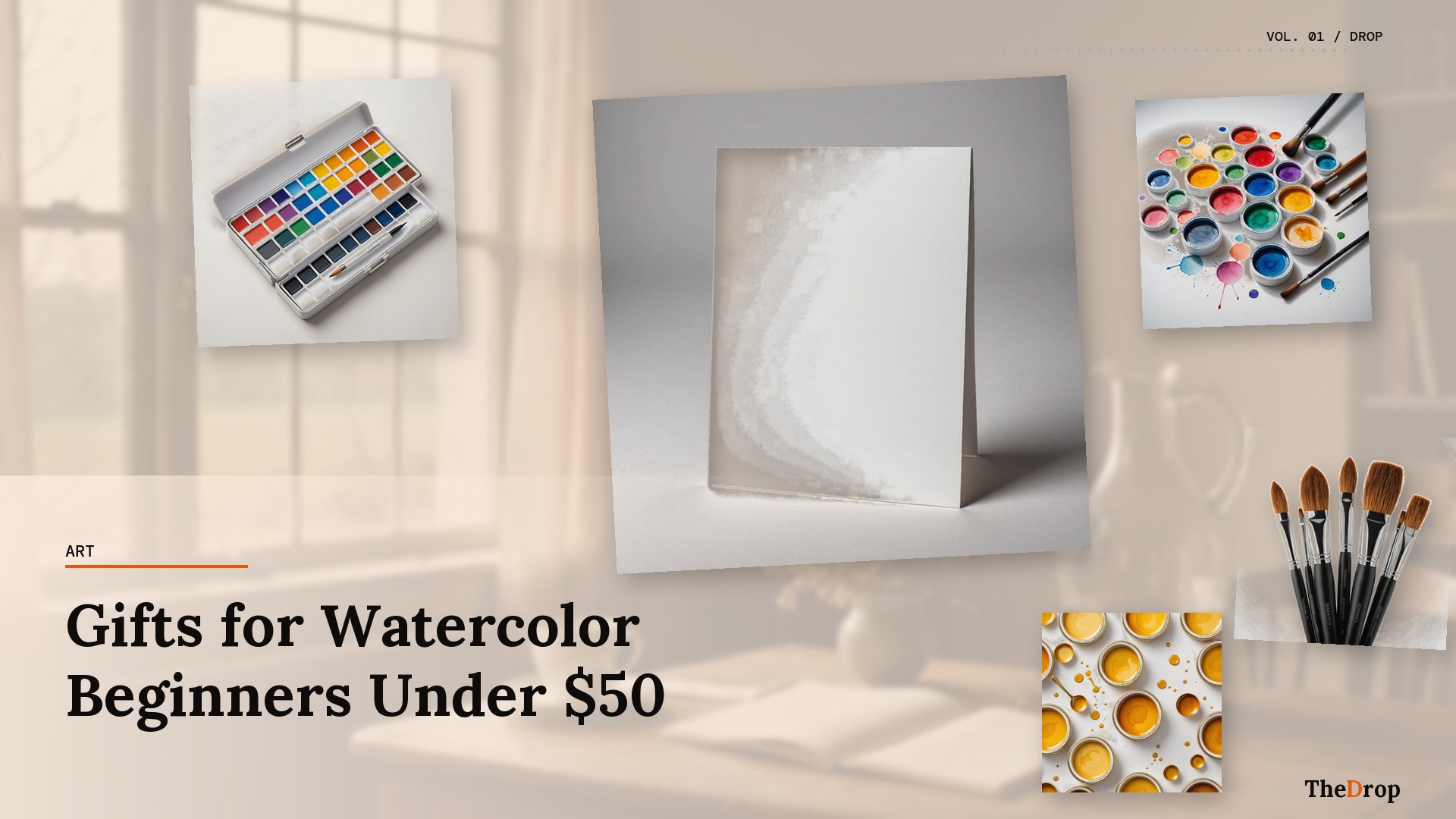
Winsor & Newton Cotman Watercolor Field Box (12 Half Pans)
A compact metal field palette with twelve genuine-pigment half-pans, a mixing surface, and a brush — the field watercolor kit that nature journaling communities point to as the entry-level recommendation before someone upgrades to professional pans. Cotman paints behave predictably in wet-on-wet washes, which is what field conditions require.
Pentel Aquash Water Brush Assortment (Fine/Medium/Broad)
Water brushes with a reservoir barrel — fill the handle with water, paint in the field without a cup, on a log, on a boulder, while standing in a stream. The field technique that serious nature journalers use is almost entirely water-brush based, because it removes every obstacle between the observation and the mark.
10x Loupe Hand Lens (Geologist Quality, Metal Housing)
A 10x achromatic doublet loupe in a metal fold-up housing — the field lens that geologists, botanists, and entomologists carry in a shirt pocket and pull out a hundred times a day. A quality loupe opens the insect world at the scale that nature journaling becomes genuinely surprising: pollen on a bee's hind leg, the individual lenticels on an apple bark surface.
Micron Pigma Archival Ink Pen Set (6 Sizes, Waterproof)
Waterproof, fade-resistant pigma ink in six nib sizes — the pen set that illustrators and nature journalers use for linework over which watercolor washes do not bleed or smear. The 0.05mm nib handles insect wing veins and plant cell margins; the 0.5mm handles branch outlines and bird silhouettes. Archival means the journal from this year still reads in twenty years.
"Keeping a Nature Journal" by Clare Walker Leslie
Clare Walker Leslie is the practitioner who brought nature journaling as a formal practice to a generation of educators and naturalists — this book is the field companion for starting and sustaining a journal practice across all seasons, at all skill levels, with specific exercises for observation that work whether or not the person draws well. The complement to the Laws guide, not competition for it.
Fork it. Make it yours. Share before their birthday.
Friends claim items. No duplicates. No awkward conversations.