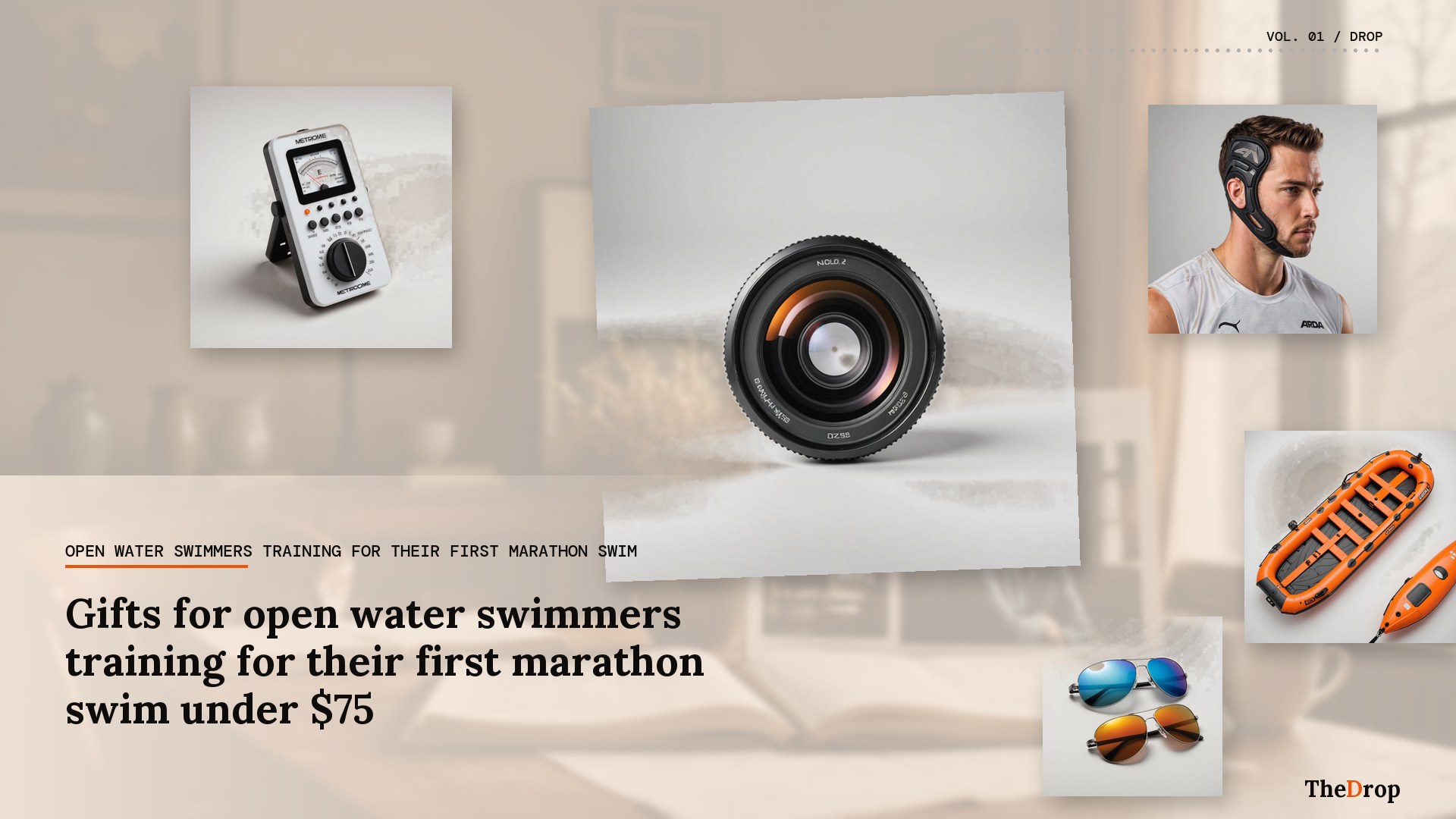
Gifts for open water swimmers training for their first marathon swim under $75
Training for a marathon swim means months of cold lakes, wetsuit neck rub, and trying to hold a stroke rate when your arms have stopped listening. The people doing this know what they need — they just haven't bought it yet.
Item 1
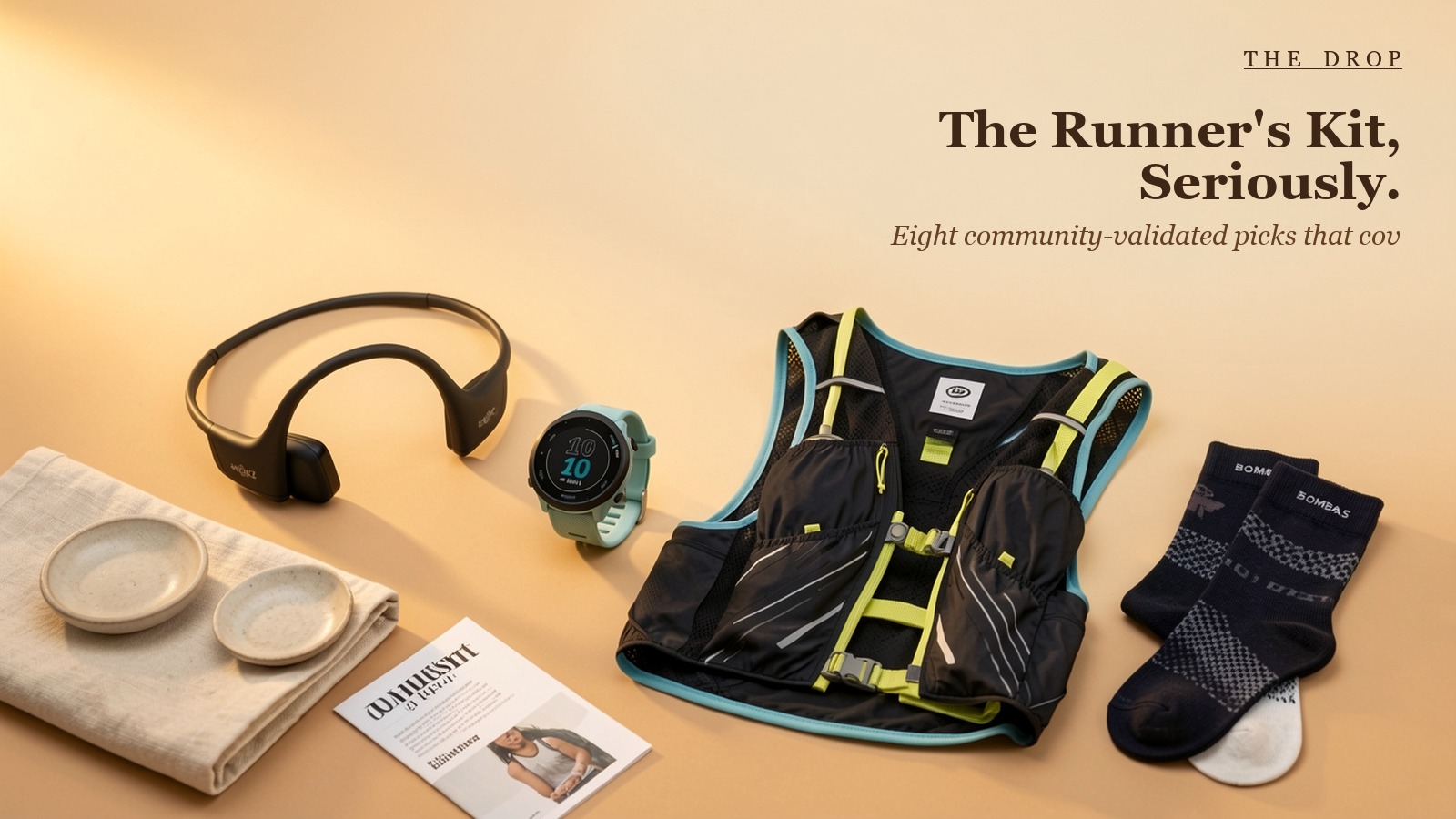
A GPS watch that actually understands open water — not just lap counting, but real distance in a lake or ocean where there are no walls to push off. Stroke rate, pace, and a dedicated open water mode. At $74.95 it nearly breaks the budget, but it's the one tool that changes how seriously someone takes their training.
“The one reliable rule of gift-giving: anything that makes them look more serious at what they love will be received with disproportionate gratitude.”
Item 2
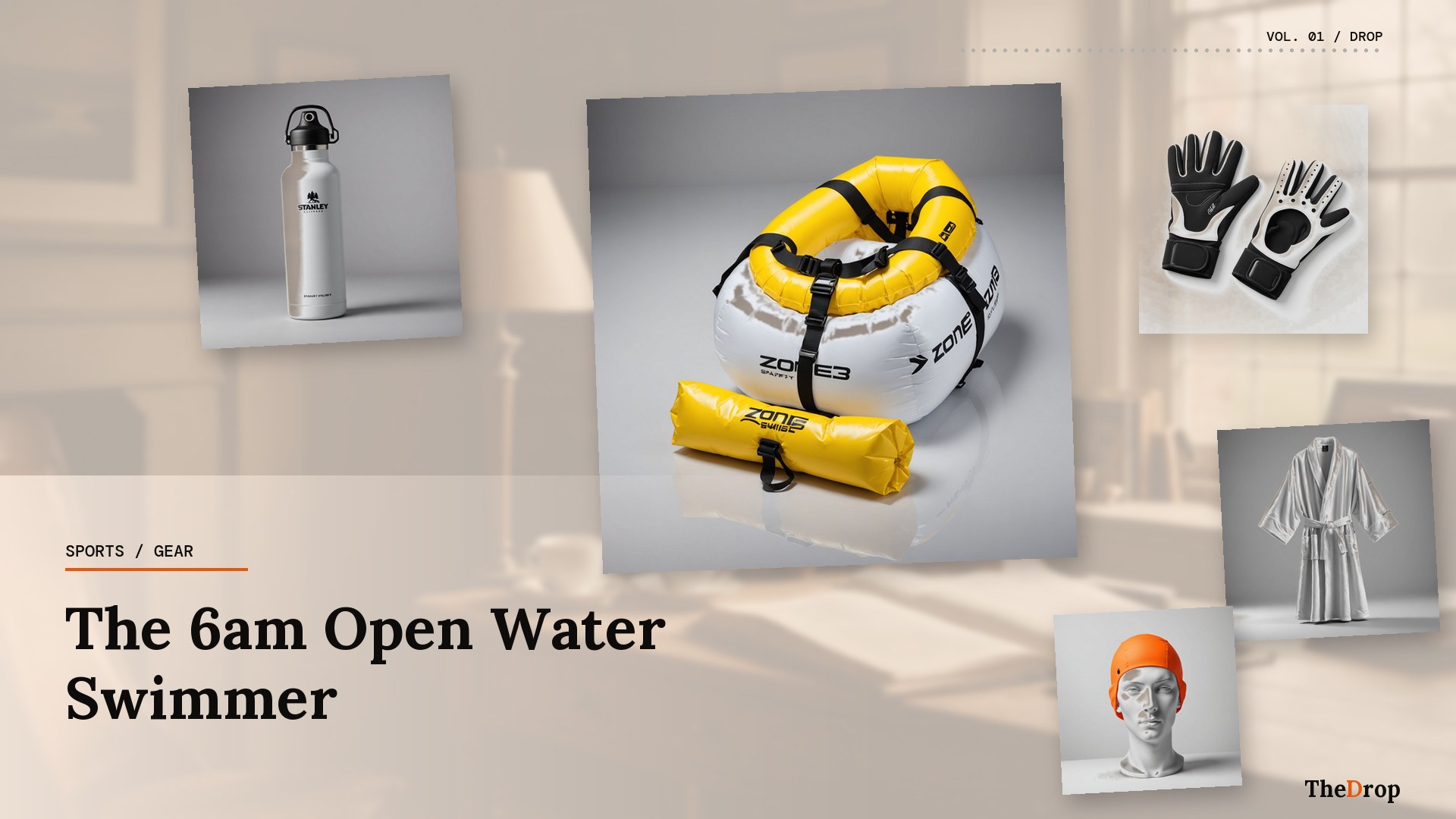
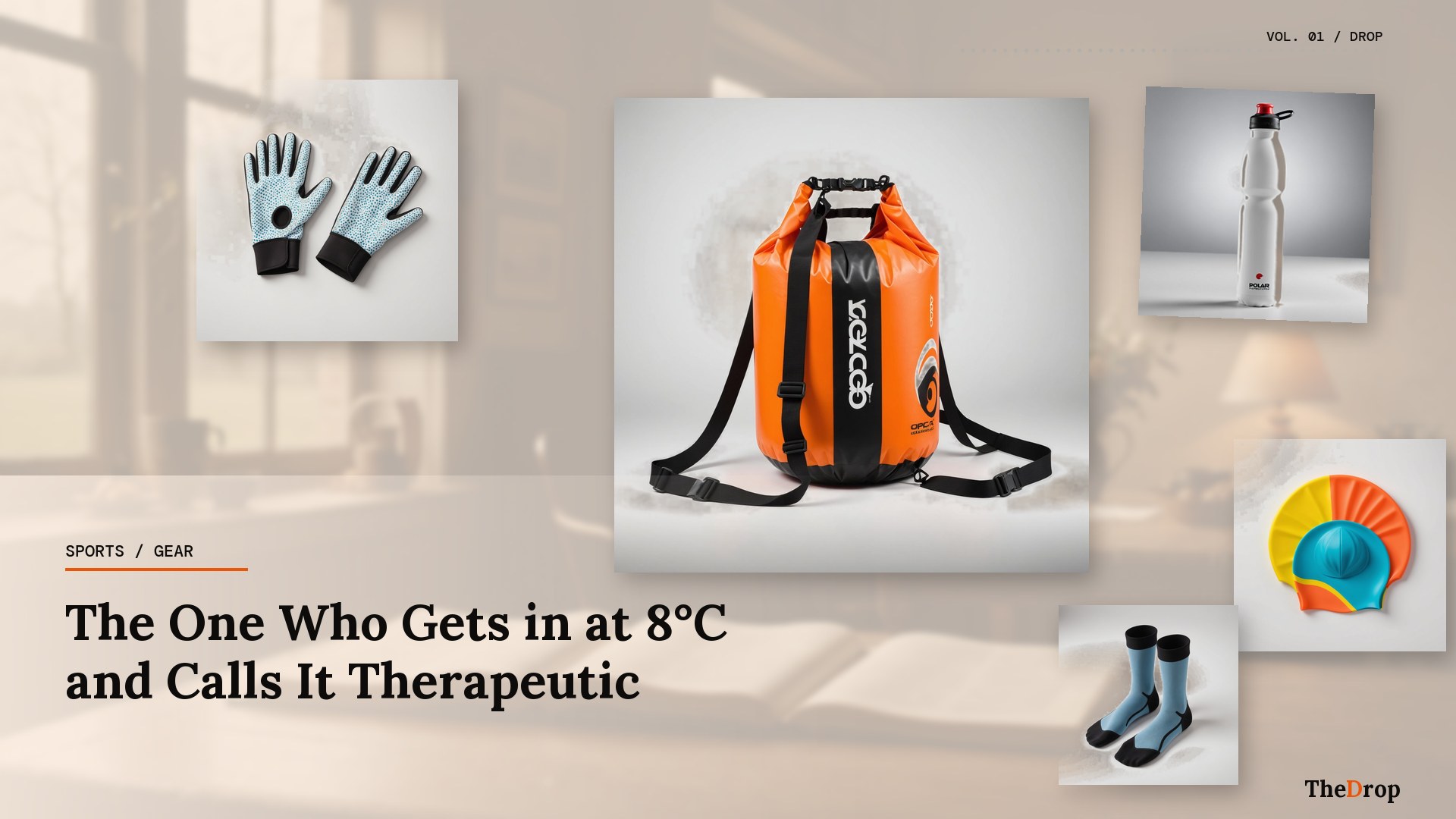
A bright orange tow float that boats can see from a distance and rescue teams can spot in chop. It also holds 28 liters — enough for a phone, keys, and a gel or two. The kind of thing a swimmer keeps borrowing from someone else until they finally own one.
Item 3
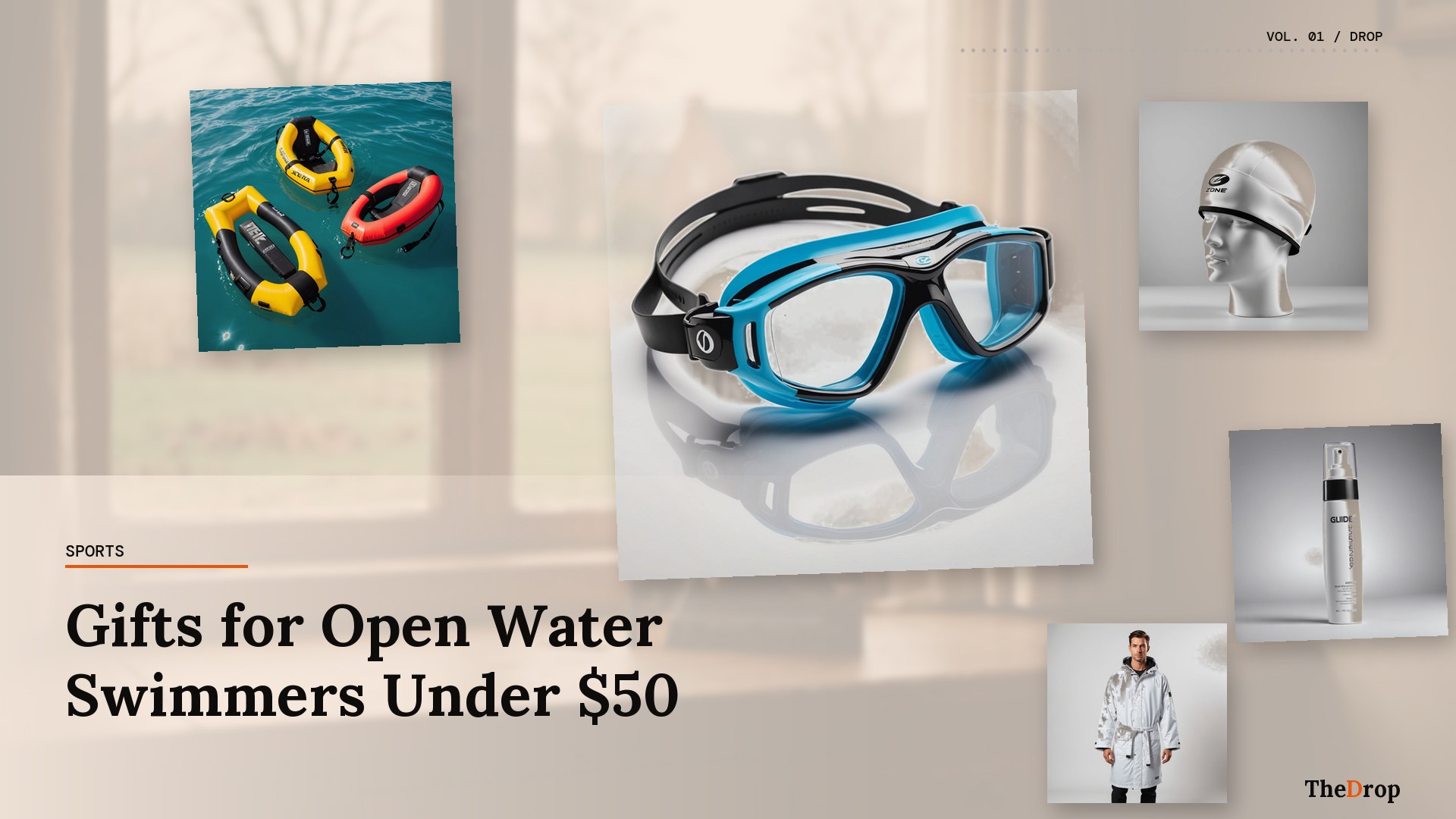
A panoramic lens that earns the word panoramic. The low-profile gasket seals against a wide range of face shapes without the suction-cup headache of competition goggles. For anyone who has spent a 5K squinting at a blurry buoy line, these are the answer. Fifty-five dollars is right.
Item 4
Mirrored UV lenses that cut glare on flat water when the sun is directly in your sighting line. Wide peripheral vision helps with the head-up sighting technique that takes most new open water swimmers months to get right. Under $23, which means a spare pair makes sense.
Item 5
Three millimeters of neoprene over the head adds more warmth than the math suggests — cold water training cuts short far more sessions than it should. This cap extends the window when a full wetsuit isn't warranted and makes the first twenty minutes of a cold swim survivable rather than just unpleasant.
Item 6
The neck rub from a wetsuit collar during a three-hour training swim is not a minor inconvenience — it draws blood. Body Glide applied before the swim prevents it entirely. At $12.49 this is the smallest purchase with the most immediate return, and every marathon swimmer goes through several sticks a season.
Item 7
A clip-on metronome that beeps underwater at a target stroke rate. Marathon swimming fails on pacing more than fitness — going out too fast in the first hour costs everything in the last two. This is a training tool for learning what 55 strokes per minute actually feels like in the body, not just in theory.
Item 8
A three-pack of high-visibility silicone caps that stay put through rough water and help safety crews track a swimmer's position. Silicone outlasts latex by years. Three caps means one on, one dry in the bag, one as the backup that finally stops being needed.
Item 9
An electrolyte and carbohydrate drink formulated for efforts measured in hours, not minutes. Mixes cleanly into a bottle that a kayaker can hand off during a feed stop. The low-sugar formula matters when a swimmer is taking nutrition every 30 minutes — stomach trouble at hour four of a training swim is a particular kind of miserable.
Item 10
A structured log built for open water — fields for water temperature, conditions, nutrition, and distance rather than lap splits. Looking back at six months of entries before a race start is genuinely useful, and the act of writing it down has a way of making the training feel cumulative rather than just exhausting.
Fork it. Make it yours. Share before their birthday.
Friends claim items. No duplicates. No awkward conversations.