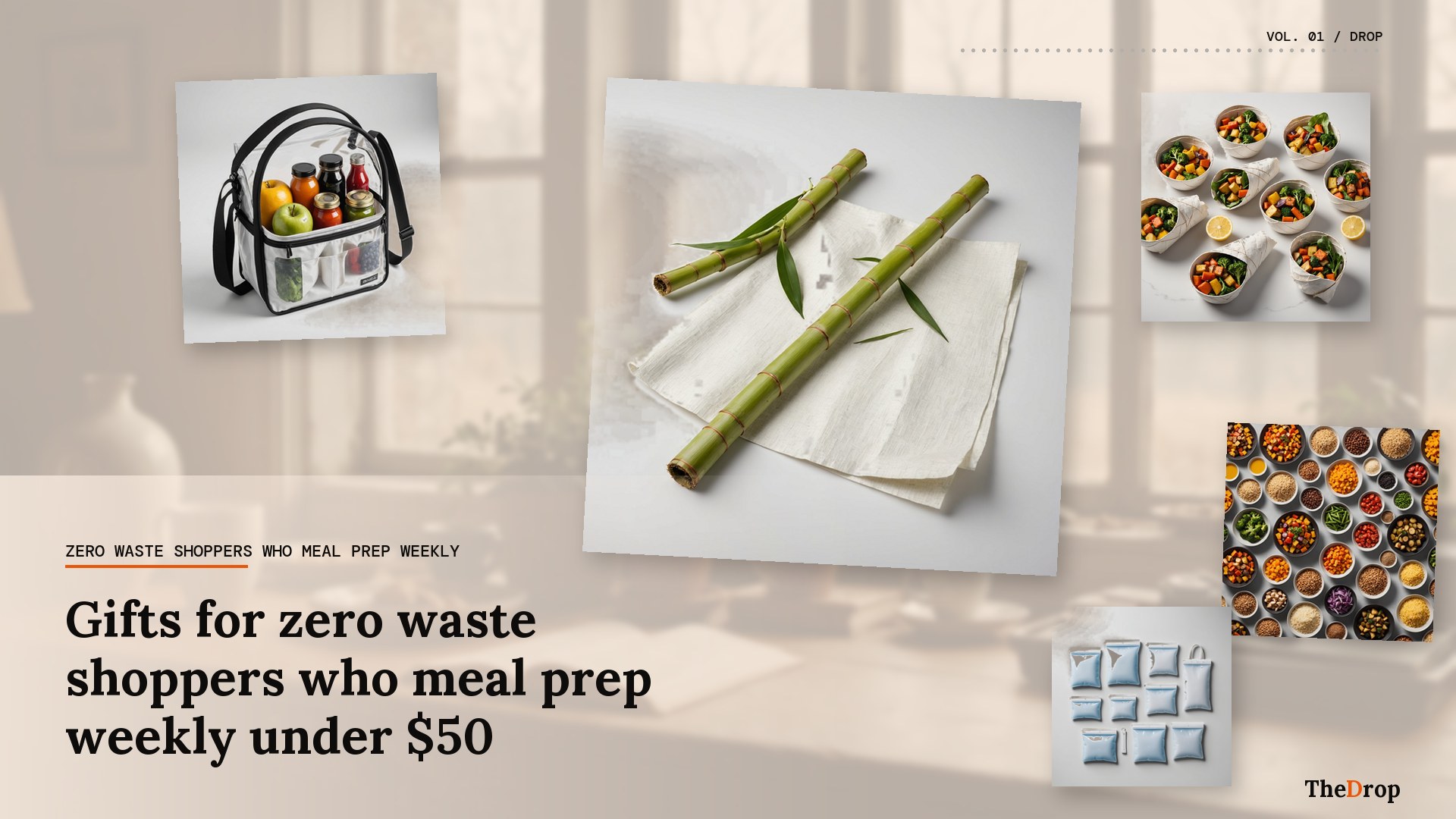
Gifts for zero waste shoppers who meal prep weekly under $50
Sunday meal prep already takes three hours; the least the kitchen can do is stop generating a bag of plastic trash alongside the tupperware. These are the tools that close that gap — unglamorous, genuinely useful, and cheap enough that the giver doesn't have to explain the price.
Item 1
Nine wraps in three sizes means there's one for the bowl of roasted vegetables, one for the half-lemon, and several left over. They mold with hand warmth, stick to themselves and to glass, and wash off under cold water. A year of use makes the math obvious against a plastic wrap refill habit.
“The one reliable rule of gift-giving: anything that makes them look more serious at what they love will be received with disproportionate gratitude.”
Item 2
Eighteen pieces across enough sizes to portion a full week's worth of grains, proteins, and roasted vegetables without reaching for a single zip-lock bag. Glass goes from oven to fridge to microwave without warping or absorbing smells — which plastic containers, after about six months, definitely do. The lids are plastic, but at least the food never touches them.
Item 3
The silicone bags that replaced zip-locks for a lot of people who tried them once and didn't go back. The seal is genuinely airtight, they lie flat in the freezer, and the wide opening makes filling and cleaning less of an event. Four bags across snack and sandwich sizes covers the daily rotation without a backup stash of disposables.
Item 4
A countertop compost bin that actually manages the smell — the carbon filter in the lid earns its place. The removable inner bucket means the whole thing comes out clean rather than being wiped down weekly. Sits on the counter during prep, catches every carrot top and onion skin, and doesn't become the reason the kitchen smells like a compost heap.
Item 5
Nine mesh bags in three sizes — the large ones hold a week's worth of bulk oats or rice, the small ones are right for nuts and dried fruit, and all of them weigh almost nothing at the register. Organic cotton, washable, strong enough that the seams don't split when loaded. The simplest swap on the list, which is probably why it gets used most.
Item 6
German glass jars with rubber gaskets and steel clips — the kind that look like they came from a farmhouse but work because the seal is genuinely airtight, not decorative. Six tulip-shaped jars hold grains, legumes, sauces, or prepped portions, and the glass never holds odors or stains from last week's tomato sauce. Built to be kept, not replaced.
Item 7
Bamboo fiber composite is lighter than glass and doesn't shatter in a bag, which matters when someone is carrying their lunch on a commute. The three nesting sizes stack compactly in a drawer, they're dishwasher safe, and at end of life they compost rather than heading to landfill. Not the container for hot oven meals, but right for packed lunches and cold snacks.
Item 8
Extra-large wraps sized specifically for sandwiches and burritos — the thing that beeswax wraps are actually best at, which is wrapping something irregular that a container won't hold cleanly. GOTS-certified organic cotton from Vermont, which is the kind of detail that matters to someone who checks those things. Three wraps means one in use, one drying, one spare.
Item 9
The lunch bag that makes carrying glass containers practical rather than heavy and anxiety-inducing. Five liters holds a full day's worth of prepped meals; the food-safe liner wipes clean rather than absorbing smells; and the insulation keeps things cold without a single-use ice pack. Pairs well with the Pyrex set — together they close off most of the disposable-packaging loop.
Item 10
A bundle that covers three separate problem areas at once — wrapping food, storing snacks, and washing up — without requiring the recipient to figure out which individual products to buy first. Plant-based wraps, reusable bags, and a compostable dish soap bar in one box. Lower review count than the standalone items, but the concept is sound and the price makes it a reasonable entry point.
Fork it. Make it yours. Share before their birthday.
Friends claim items. No duplicates. No awkward conversations.