Yoga blocks under $35 — cork, foam, and travel options
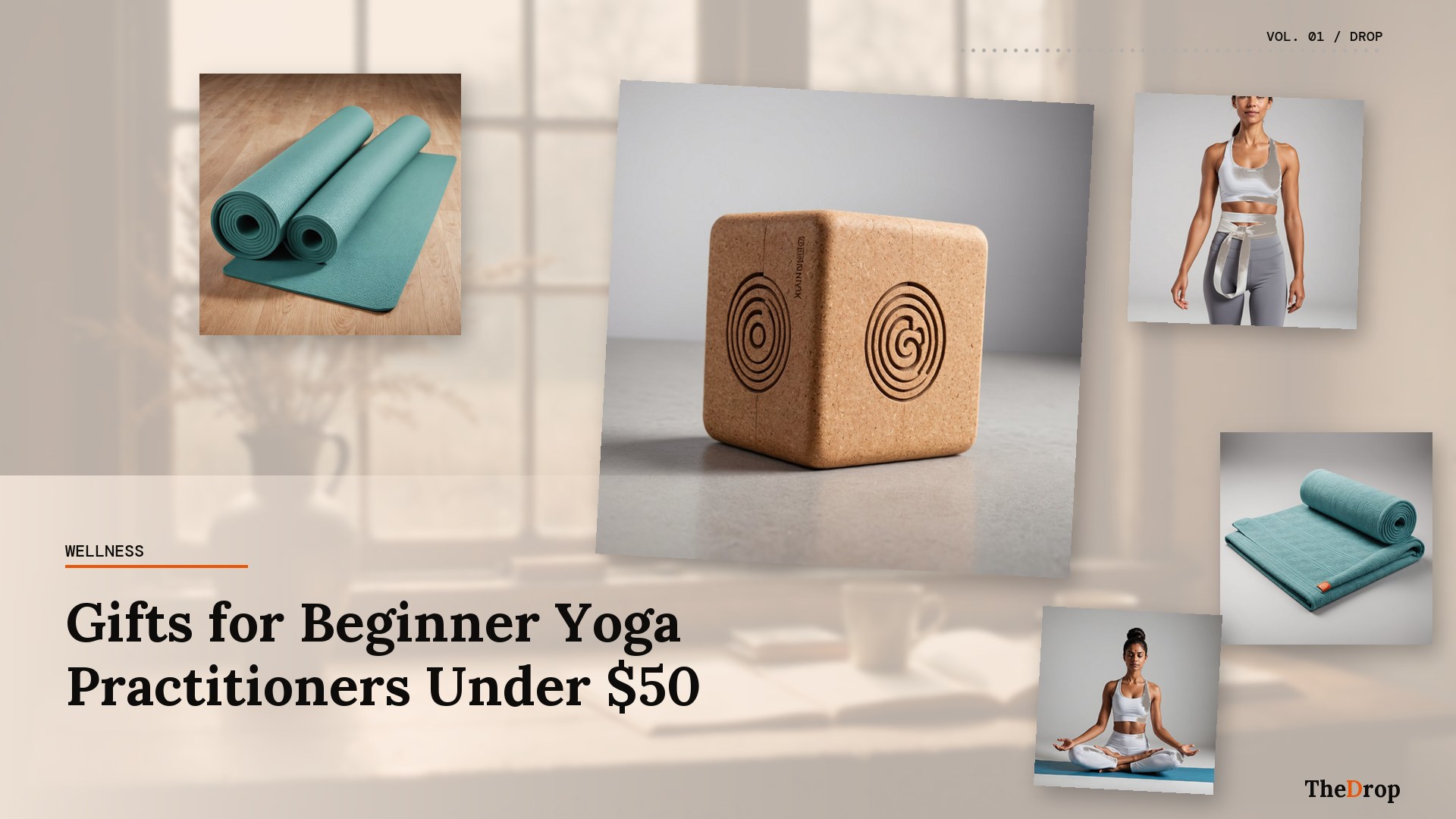
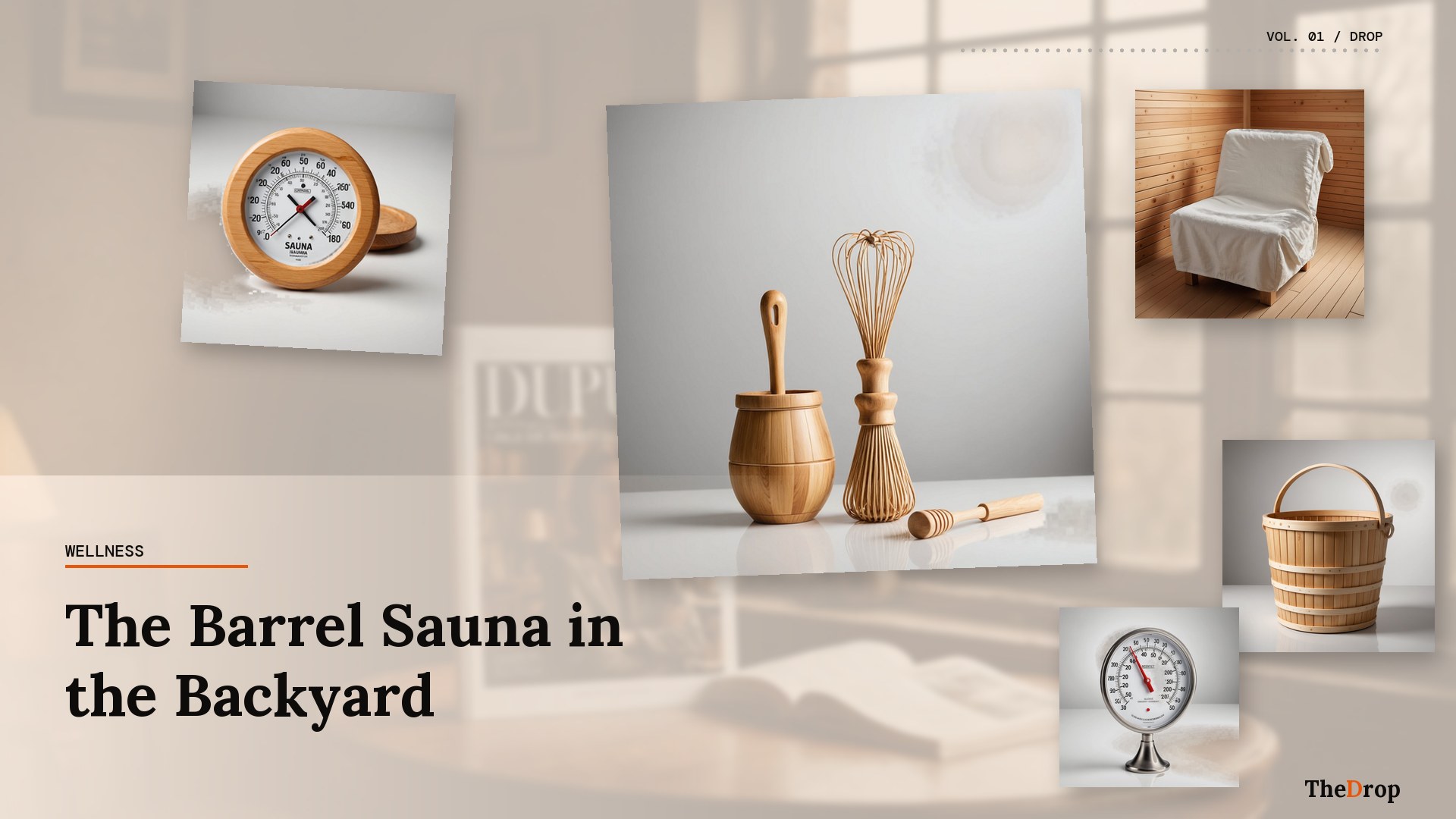
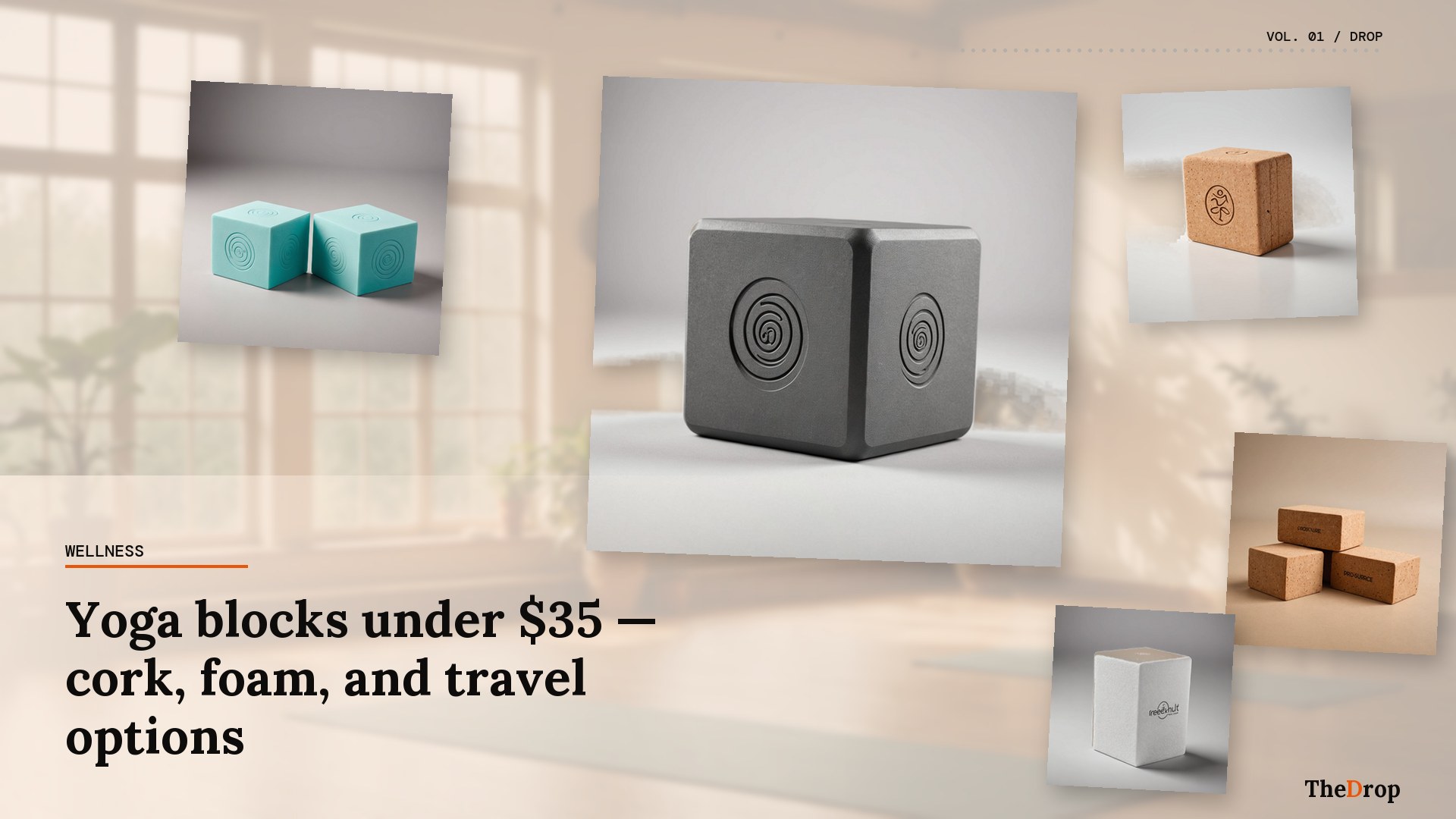
A yoga block is one of those props that practitioners buy once badly and then replace with something they actually like. This list covers three distinct use cases — foam for beginners and casual home practice, cork for hot yoga and anyone whose hands sweat through a flow, and a travel option that fits in a carry-on without sacrificing the pose.
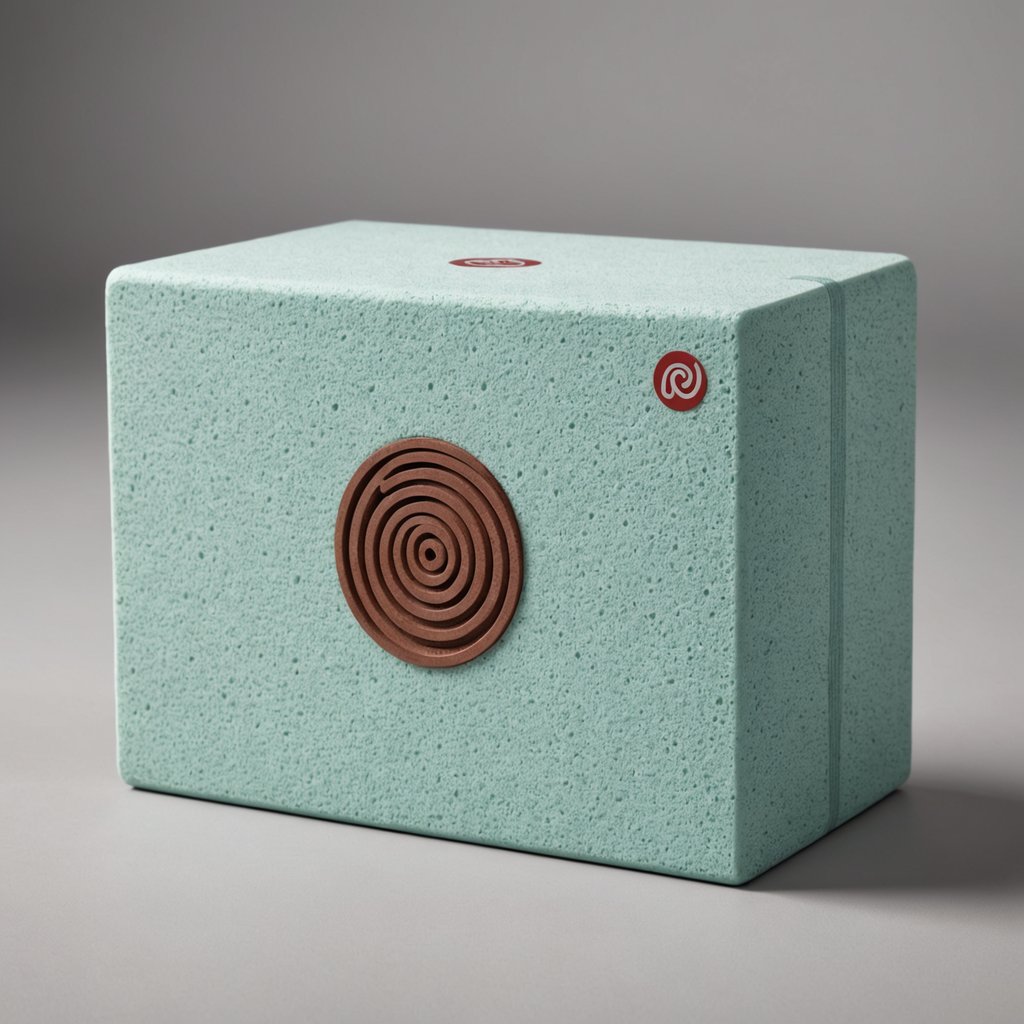
Manduka Recycled Foam Yoga Block — high-density supportive foam
Manduka makes gear that outlasts the phase where you're figuring out if yoga is actually your thing. This foam block holds its shape after months of yin poses bearing down on it, and the density is high enough that it doesn't compress mid-warrior. A single block at $14 is the right first purchase.
“The one reliable rule of gift-giving: anything that makes them look more serious at what they love will be received with disproportionate gratitude.”
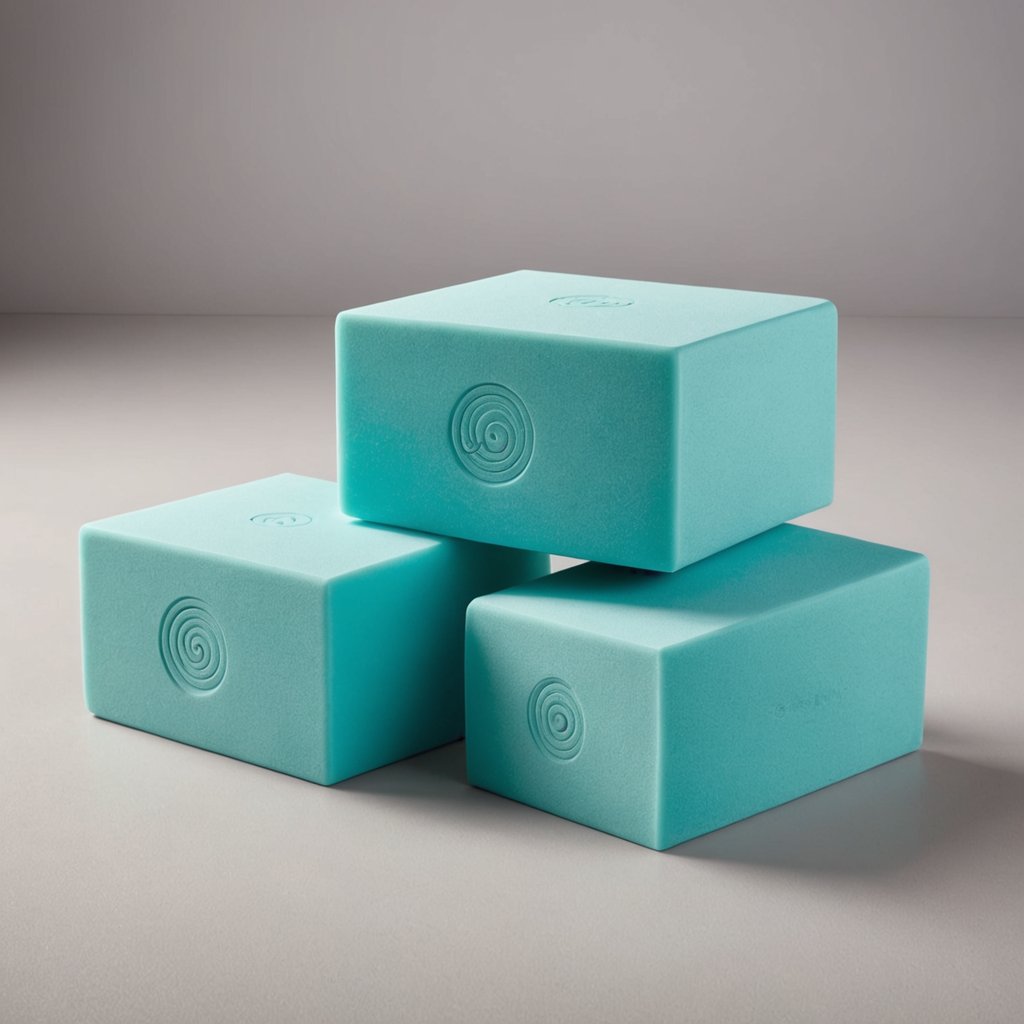
Gaiam Essentials Foam Yoga Block — set of 2, non-slip surface
Two blocks for under $19 means you can actually use them symmetrically — both hands in half-moon, both hips in supported bridge — which is how blocks are supposed to work. The beveled edges sit comfortably in the palm. Available in enough colors that matching the mat is, inexplicably, possible.
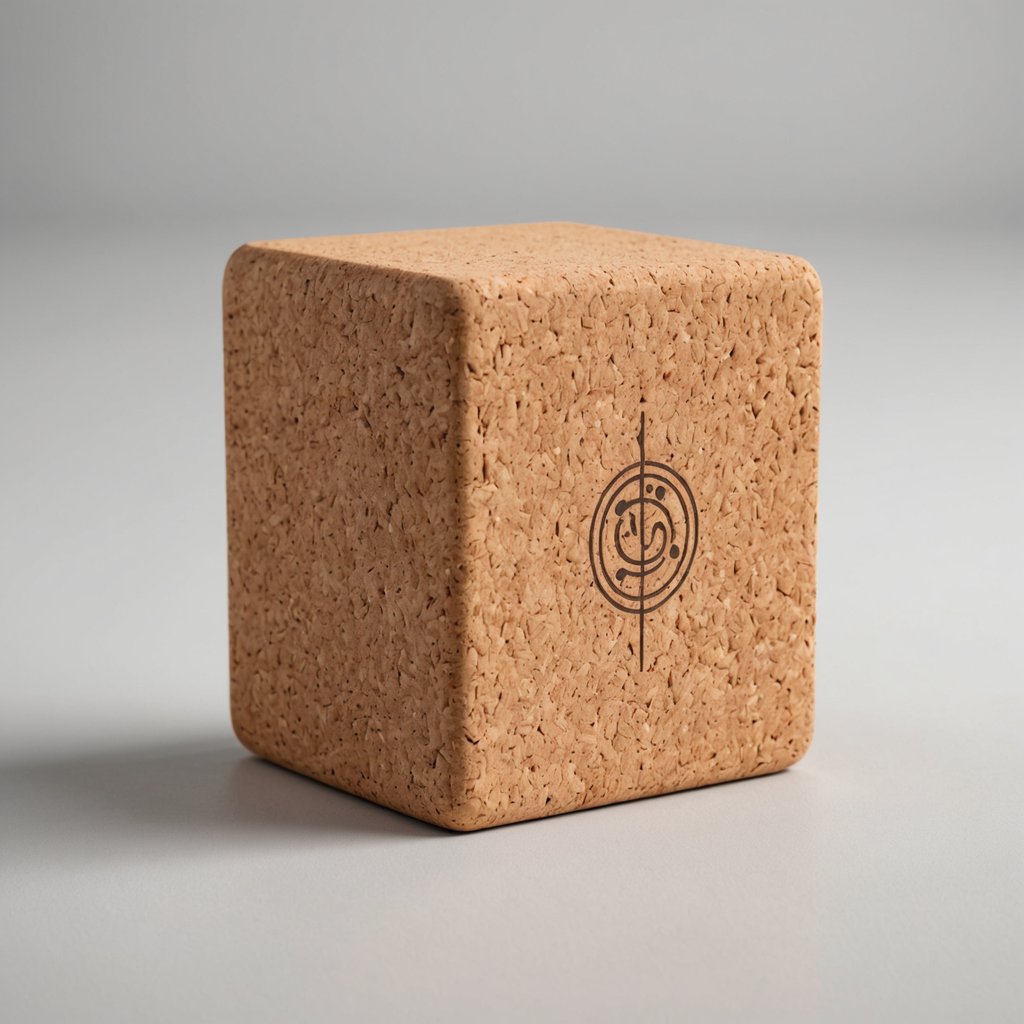
Hugger Mugger Cork Yoga Block — single dense natural cork block
Cork grips when foam slides. That's the whole argument for this block, and in a 95-degree room it becomes a strong one. Hugger Mugger's version is notably dense — it doesn't feel hollow the way cheaper cork blocks do — and the sustainably harvested material is the kind of detail that matters to the person who already owns a nice mat.
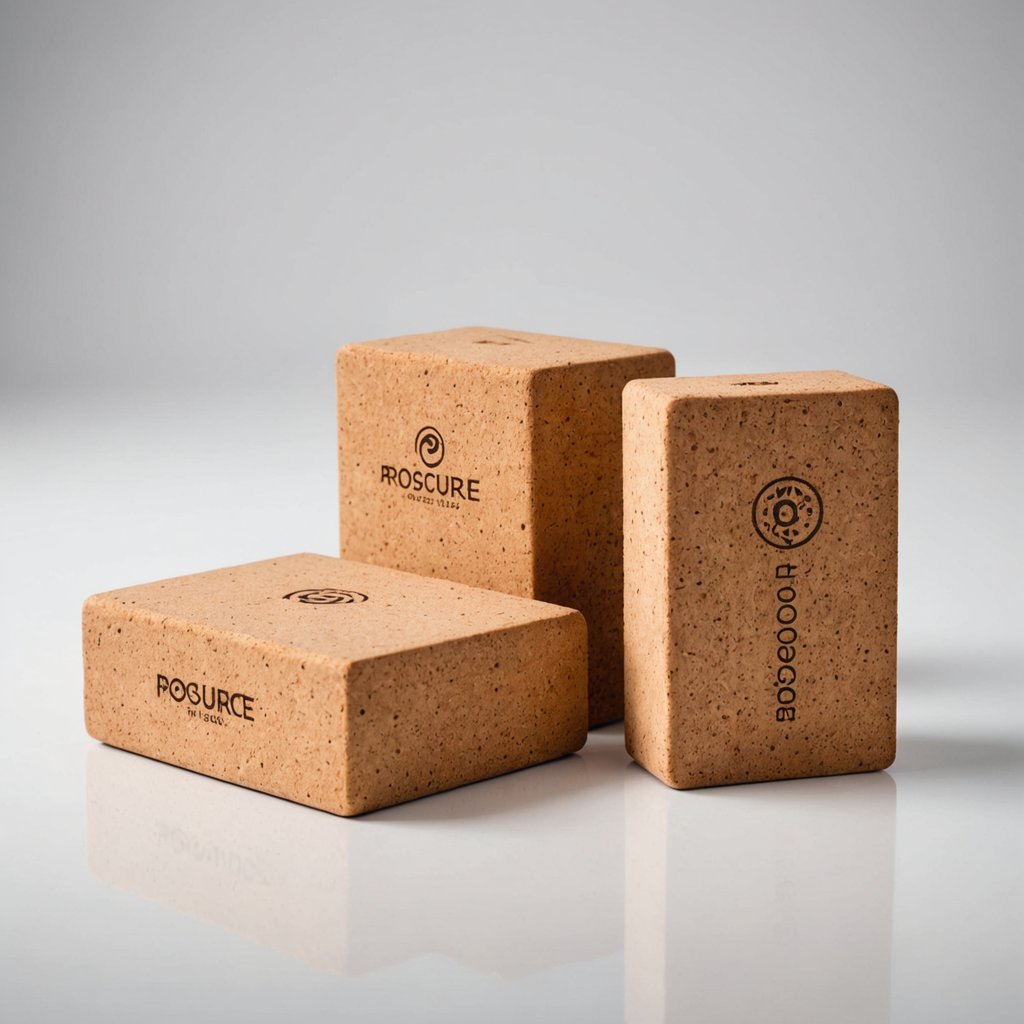
ProSource Fit Cork Yoga Block — set of 2, eco-friendly cork
Two solid cork blocks for $30 is the point where a serious home practice stops feeling like a compromise. Cork resists bacteria and moisture better than foam over time — relevant if the blocks live in a gym bag between sessions. ProSource's pair is firm enough for standing balance work without the stiffness that makes restorative poses uncomfortable.
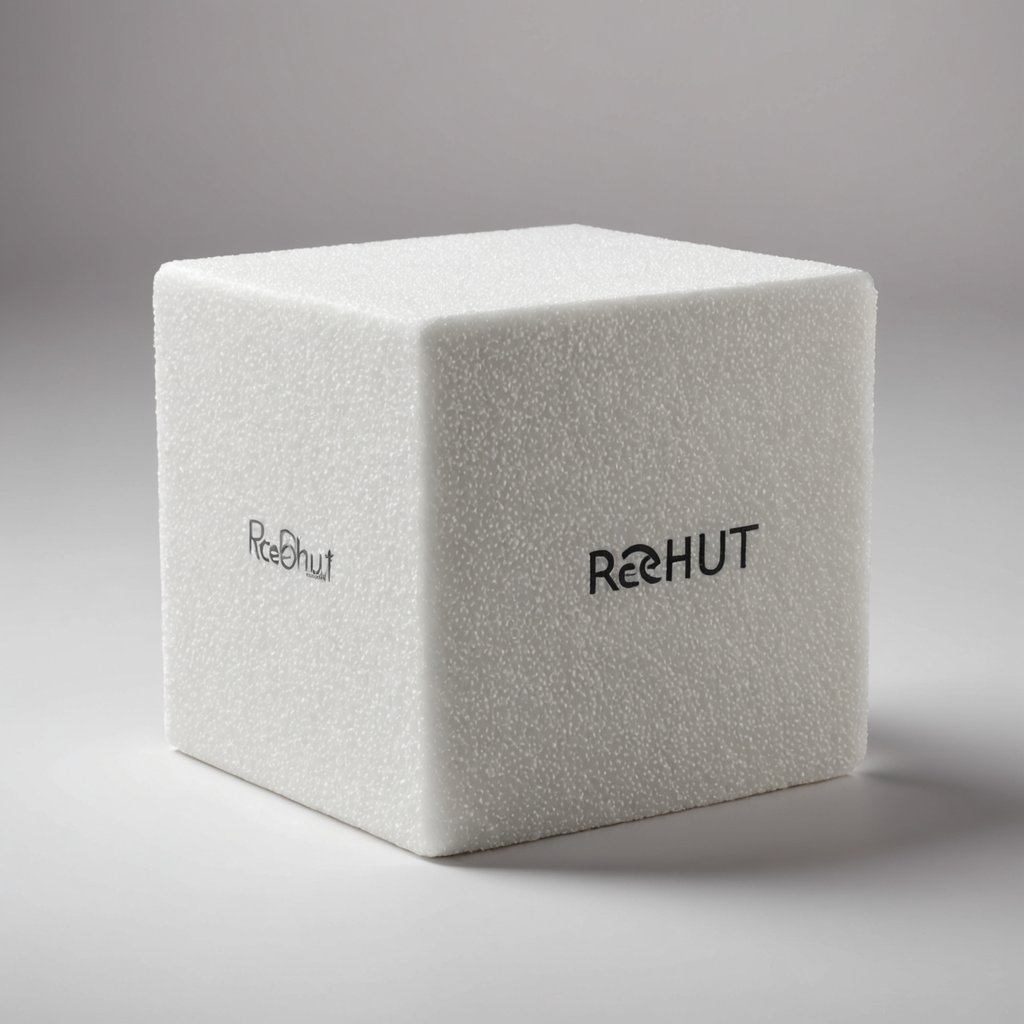
Reehut Foam Yoga Block — single block, 3 size options
Under $9 for a block that comes in three sizes is the right answer when someone is new enough to yoga that they don't know whether they need a 3-inch or a 4-inch block. Reehut's foam holds up adequately, and at this price, replacing it in six months when they develop an actual preference costs nothing.
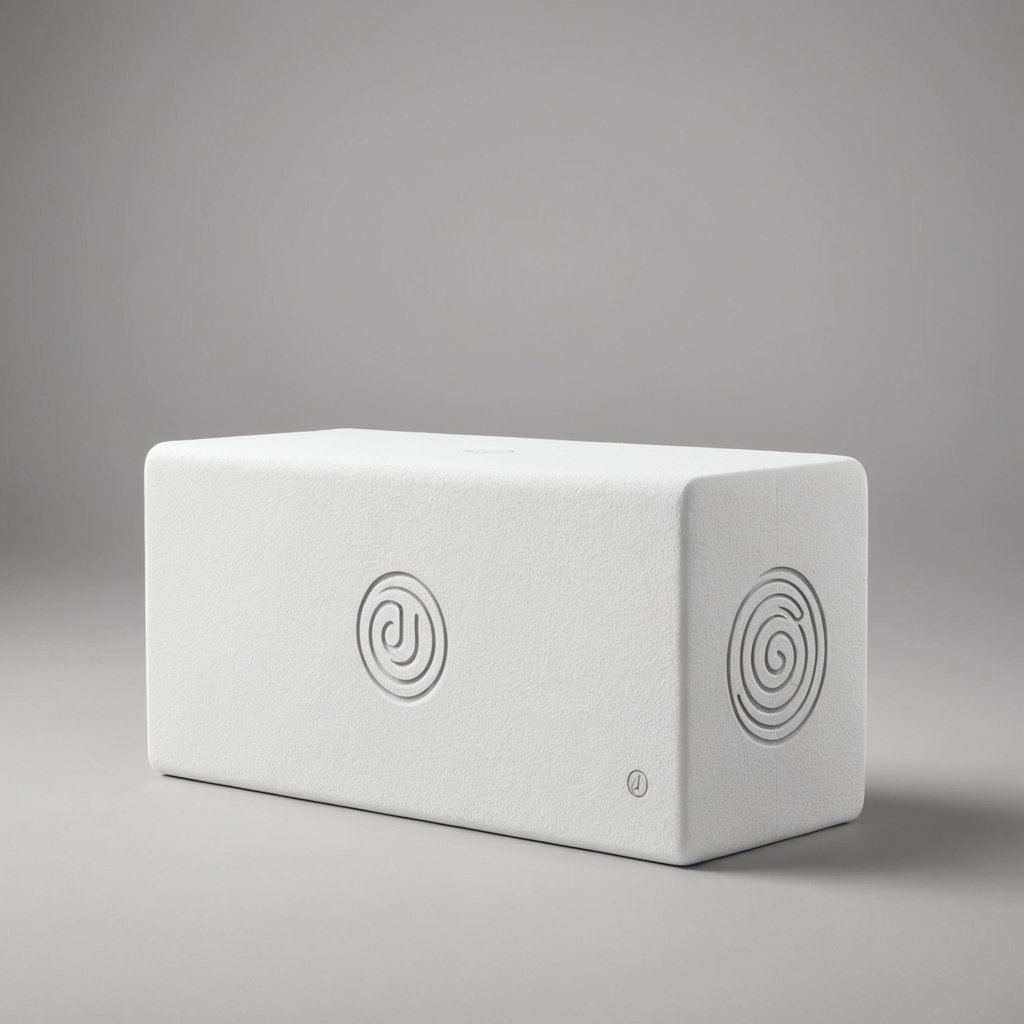
Lululemon Lift and Lengthen Yoga Block — premium dense foam
Lululemon's block does something most foam blocks don't: the outer layer has enough give to sit against the spine in supported fish without feeling like a brick, while the core stays firm enough for standing poses. At $28 for a single block, it's a considered purchase — which is exactly who buys it.
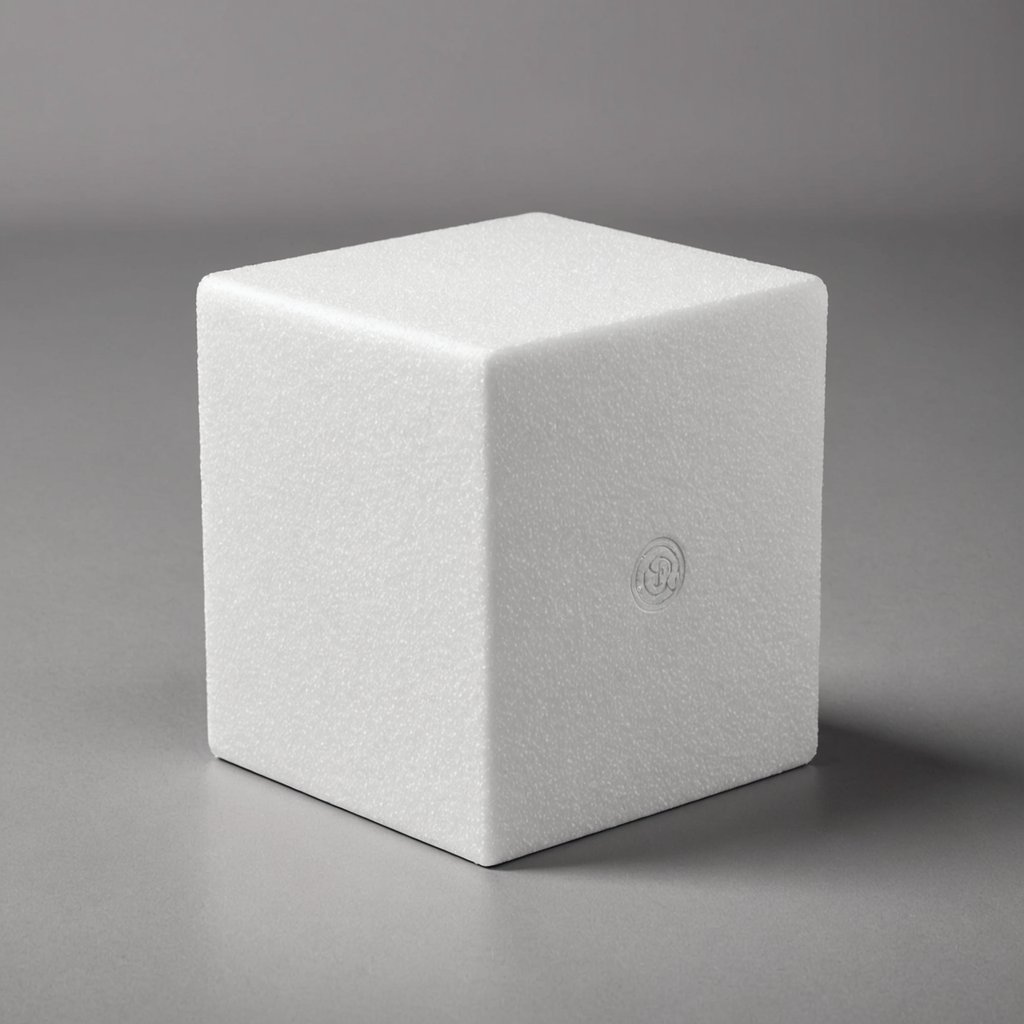
YogaAccessories Foam Travel Yoga Block — slim lightweight design
A standard block takes up the kind of suitcase real estate that gets reconsidered at 11pm before a 6am flight. This slim version from YogaAccessories is thinner than a full block but provides enough height for most seated and standing poses. Not a substitute for a full block at home, but a reasonable travel compromise at $12.
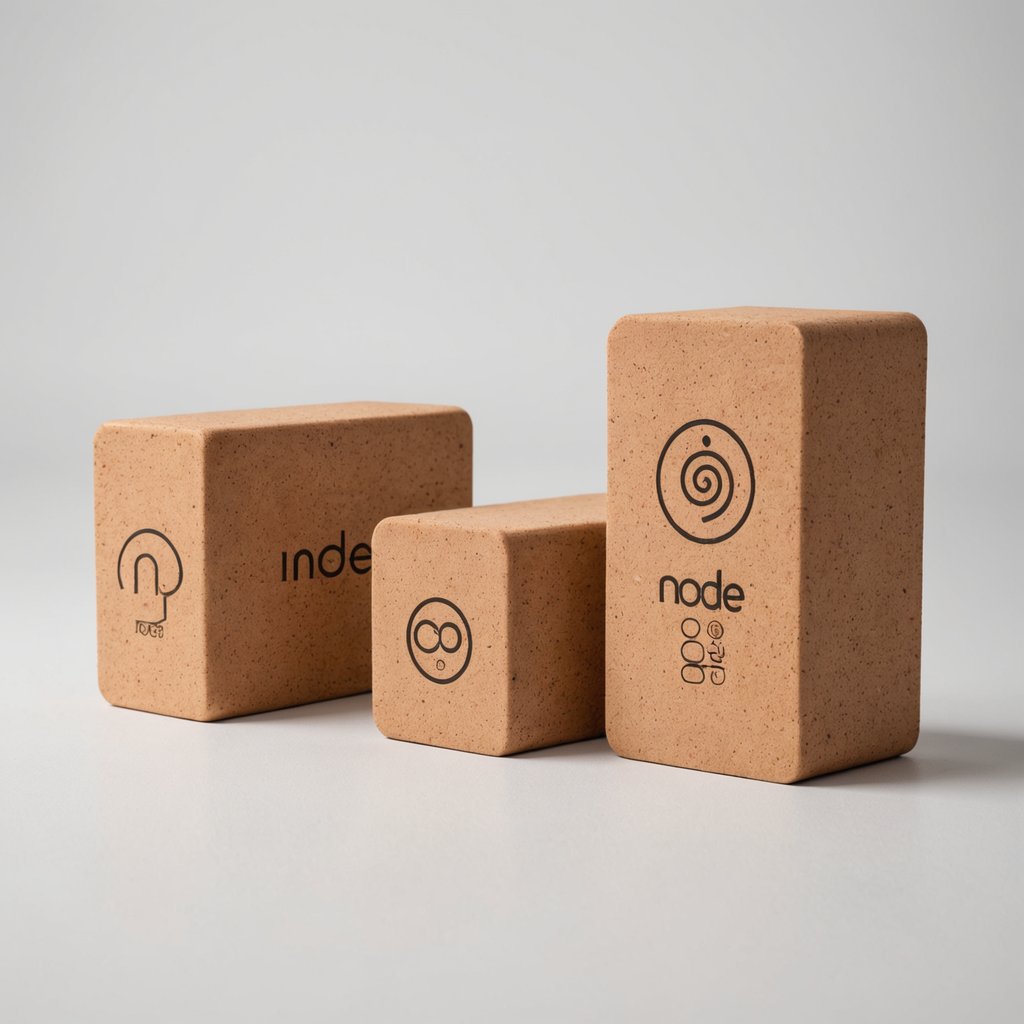
Node Fitness Cork Yoga Block — set of 2, rounded edges
Rounded edges sound like a minor detail until you've spent ten minutes in supported backbend with a sharp cork corner pressed into your palm. Node Fitness softened theirs, and it's noticeable. Two blocks, natural cork, $34 — solid value for anyone doing longer-held restorative or yin work where comfort during the hold actually matters.
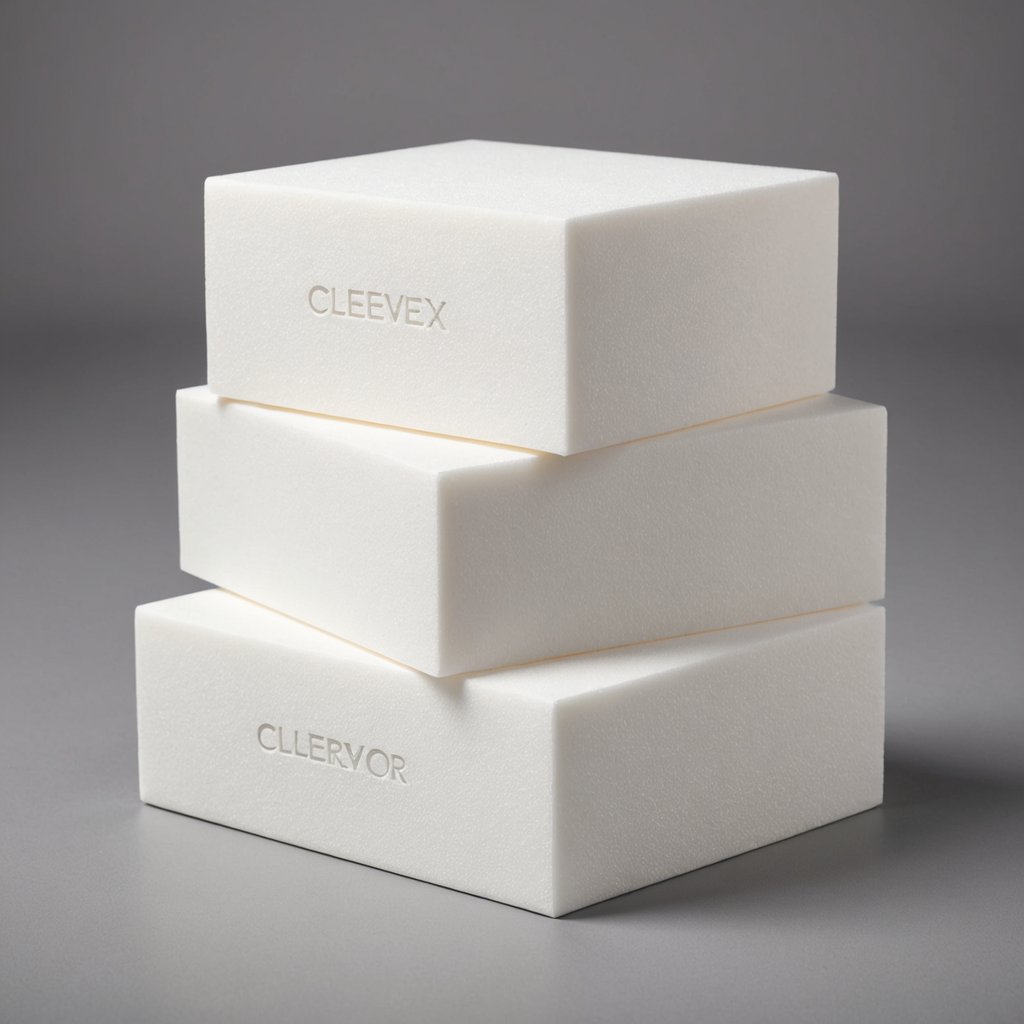
Clever Yoga Foam Block — 2-pack, extra-wide 4-inch block
The extra-wide format gives hands and feet more room to land, which matters for anyone who finds standard blocks slightly too narrow for comfortable placement. Two blocks for $22, non-slip texture on smooth studio floors, and the standard EVA foam density that holds up through a full practice without creaking.
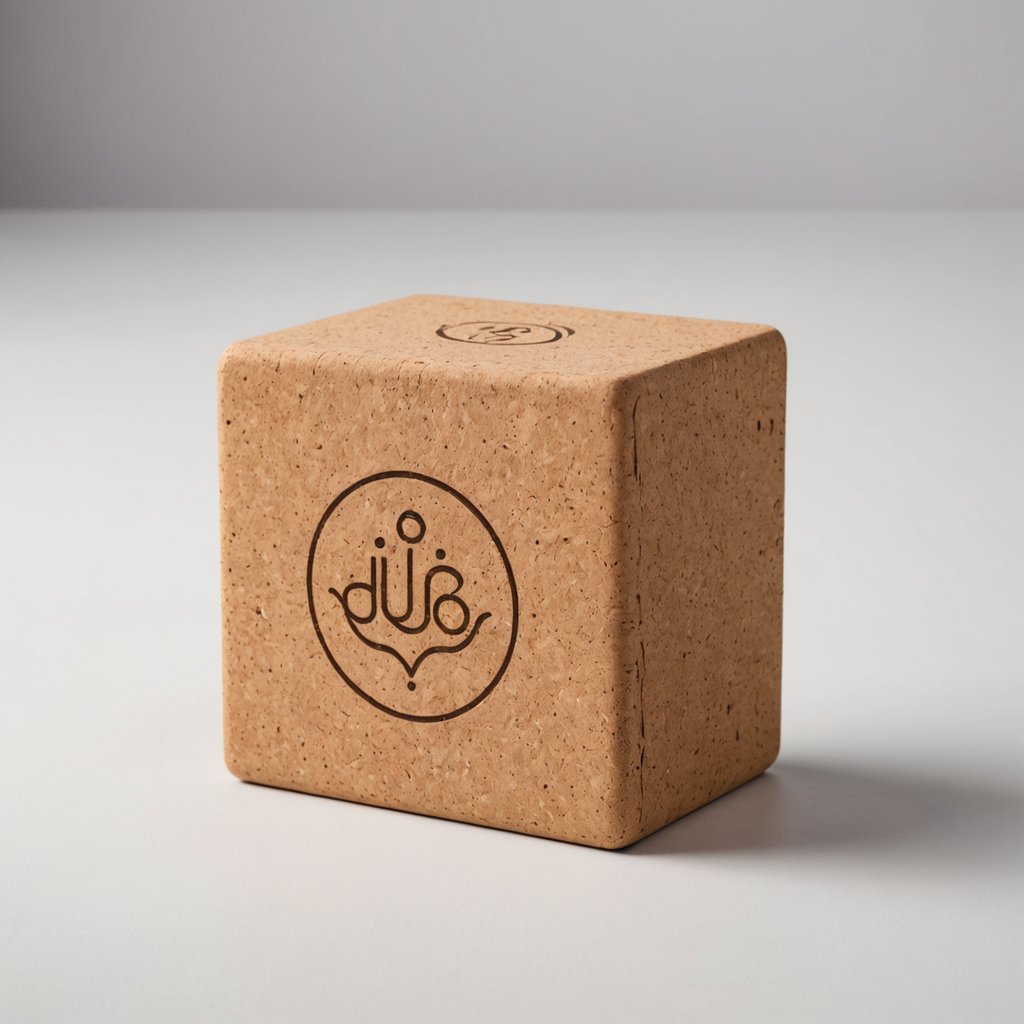
IUGA Cork Yoga Block — single block, smooth finish natural cork
At $17, this IUGA block is the lowest-stakes way to find out whether cork actually feels better than foam for floor poses. The smooth sanded finish is less abrasive against the back and shoulders than rough-textured cork — useful if the block spends time under the spine in supported poses. One block, entry price, no real downside.
Fork it. Make it yours. Share before their birthday.
Friends claim items. No duplicates. No awkward conversations.