Gifts for beginner mushroom foragers under $50
The field guide is already on the nightstand, dog-eared to chanterelles and death caps. What's missing is the kit that makes the first real outing less guesswork and more method — the knife that cuts clean, the basket that reseeds as you walk, the notebook that turns a lucky find into a repeatable one.
Item 1
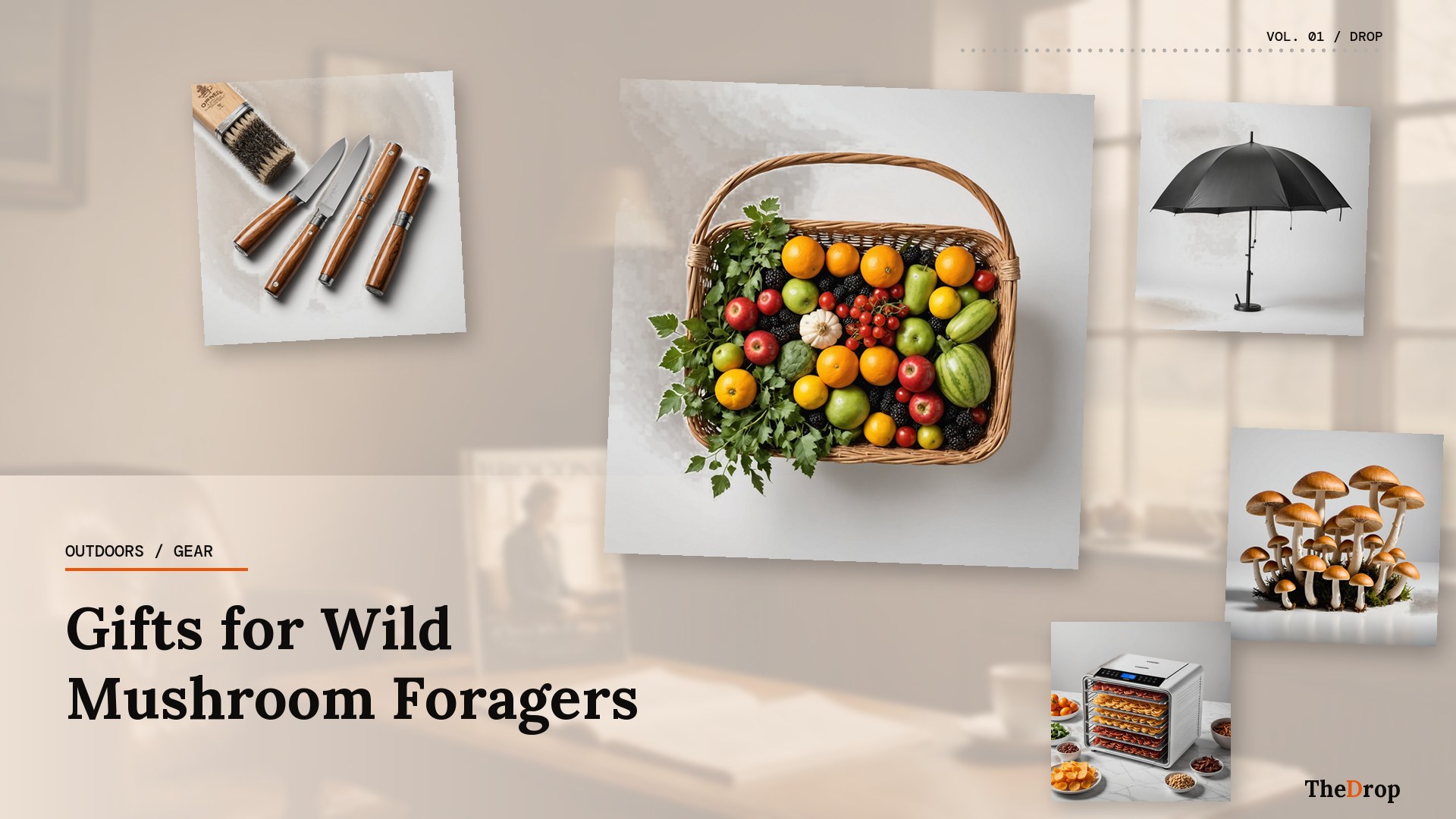
A French folding knife with a curved blade for cutting stems cleanly at the base — which matters, because tearing damages the mycelium. The boar bristle brush on the spine knocks off dirt in the field before the mushroom ever touches your bag. Compact, safe, and immediately useful.
“The one reliable rule of gift-giving: anything that makes them look more serious at what they love will be received with disproportionate gratitude.”
Item 2
An open-weave wicker basket that drops spores back into the forest floor as you walk — the thing experienced foragers mention first when they see someone using a plastic bag. Twelve inches wide, light enough to carry all morning, and the kind of object that makes a beginner feel like they understand the practice.
Item 3
Over 700 North American species with full-color photographs and identification keys — different enough from a regional guide that it earns its shelf space. The Audubon approach means you can cross-reference a find against two books before committing to a decision. A second opinion is exactly what beginners need.
Item 4
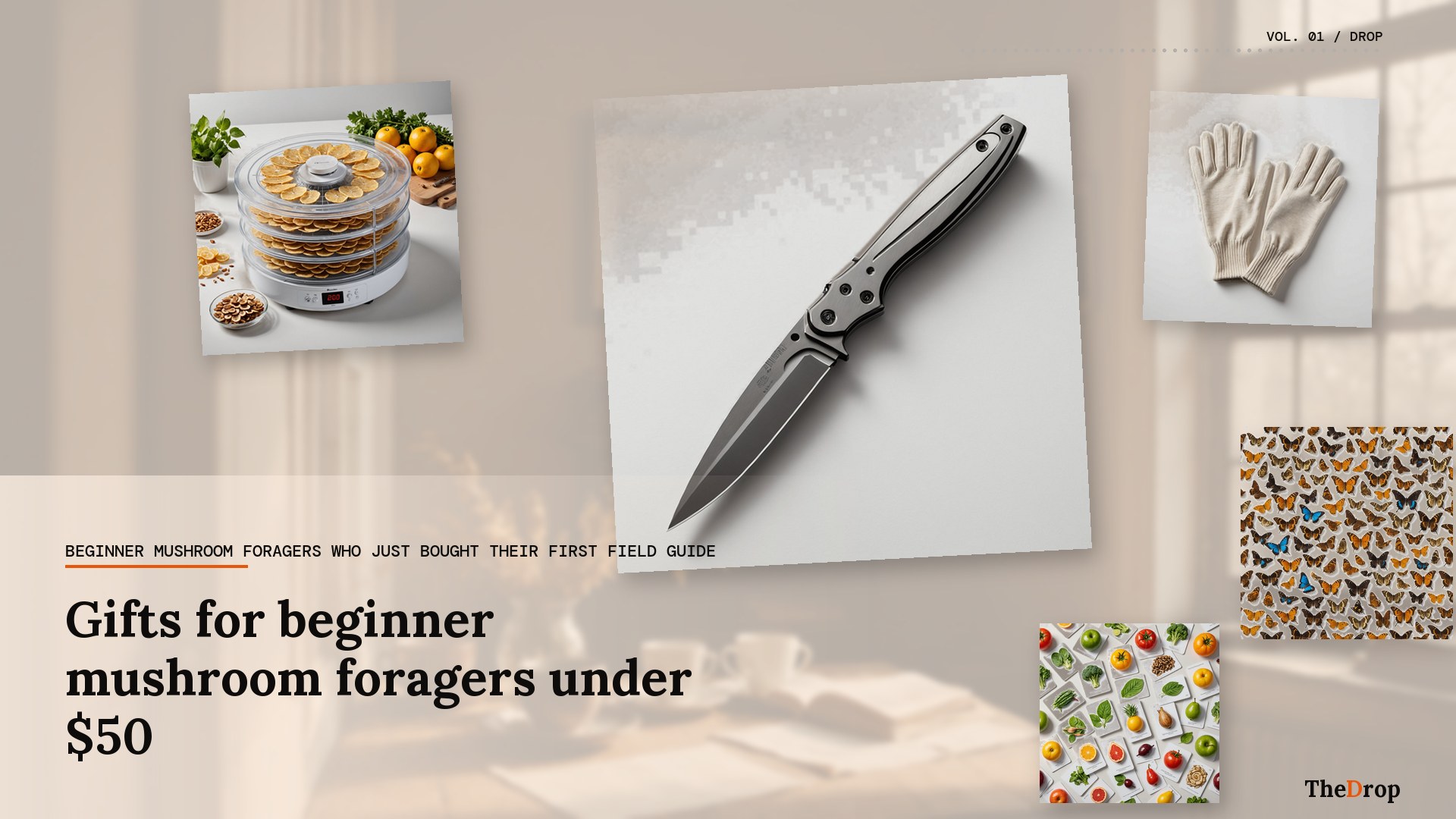
One hundred illustrated cards covering edible species, toxic lookalikes, habitat clues, and key identification features — the kind of thing you flip through on the couch the night before a walk. Each card includes the comparison that matters most: what this mushroom is, and what it could be mistaken for.
Item 5
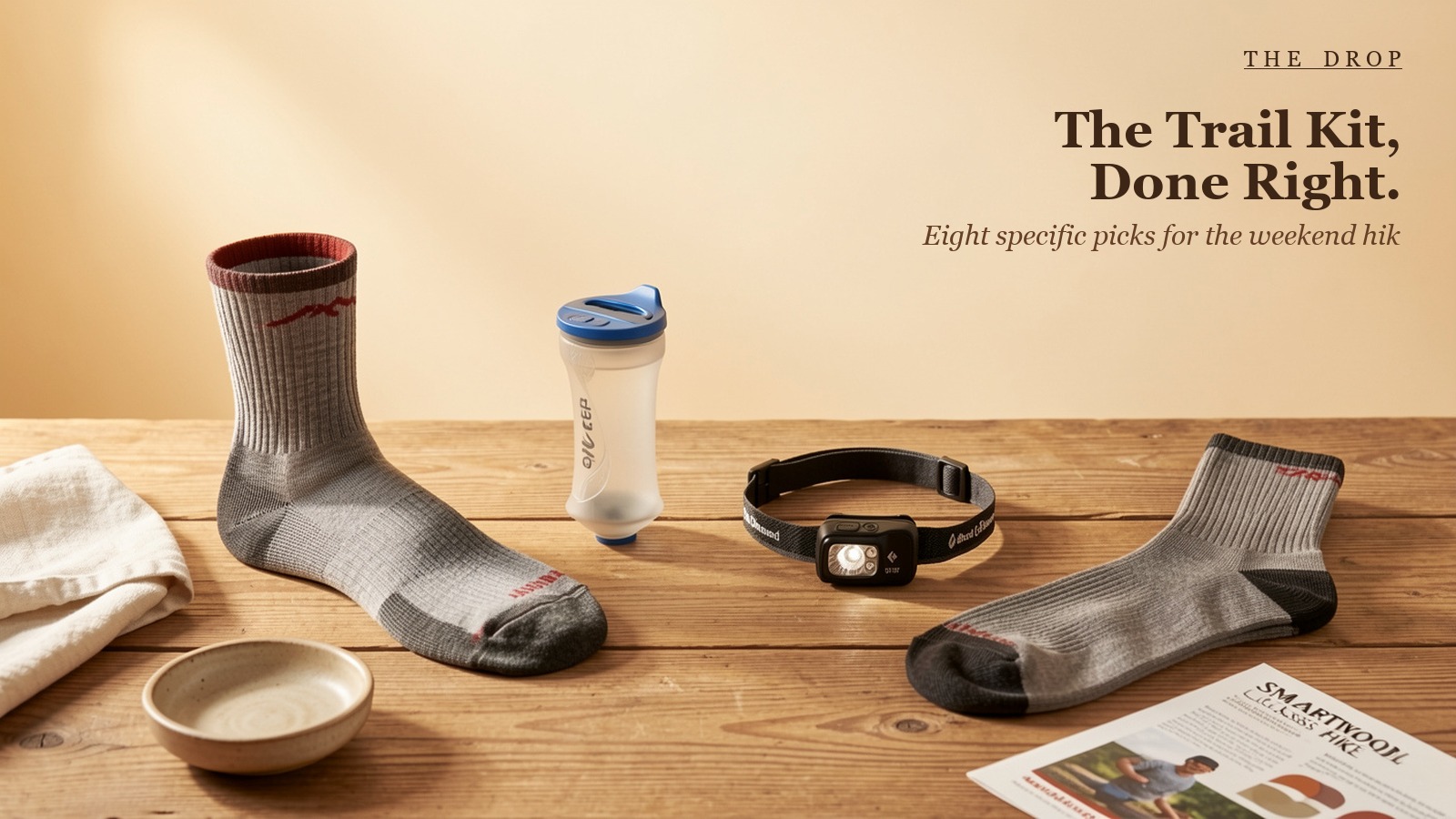
A 4-tray electric dehydrator with a simple dial — the tool that turns a successful afternoon into a jar of dried mushrooms that lasts through winter. Nothing fancy, no app required. If your recipient has just started finding things in quantity, this is the gift that makes foraging feel like it has stakes.
Item 6
Breathable mesh bags that stop foraged mushrooms from sweating into a slick mess at the bottom of a backpack — a problem every beginner discovers on their first outing and doesn't forget. Ten bags in multiple sizes for under ten dollars. The least glamorous item on this list and one of the most used.
Item 7
A hardcover dot-grid notebook for sketching cap shapes, recording GPS coordinates, noting spore print colors, and tracking what grew where across seasons. The acid-free paper holds pencil sketches without bleeding. Foraging without a record is just walking in the woods — this is what turns it into a practice.
Item 8
Nine pieces — glass vials, tweezers, a magnifying loupe — for capturing spore prints and examining gill structure without improvising with kitchen tools. An affordable starter kit for the beginner who has read about spore prints in their field guide and wants to actually do one. Methodical identification starts here.
Item 9
A pocket LED microscope at 60x–120x magnification — small enough to clip to a keychain, strong enough to show gill edges and spore surface texture in the field. Most beginners rely entirely on cap color and smell; this opens up a different layer of identification. Under eighteen dollars for something that genuinely changes how you look at a find.
Item 10
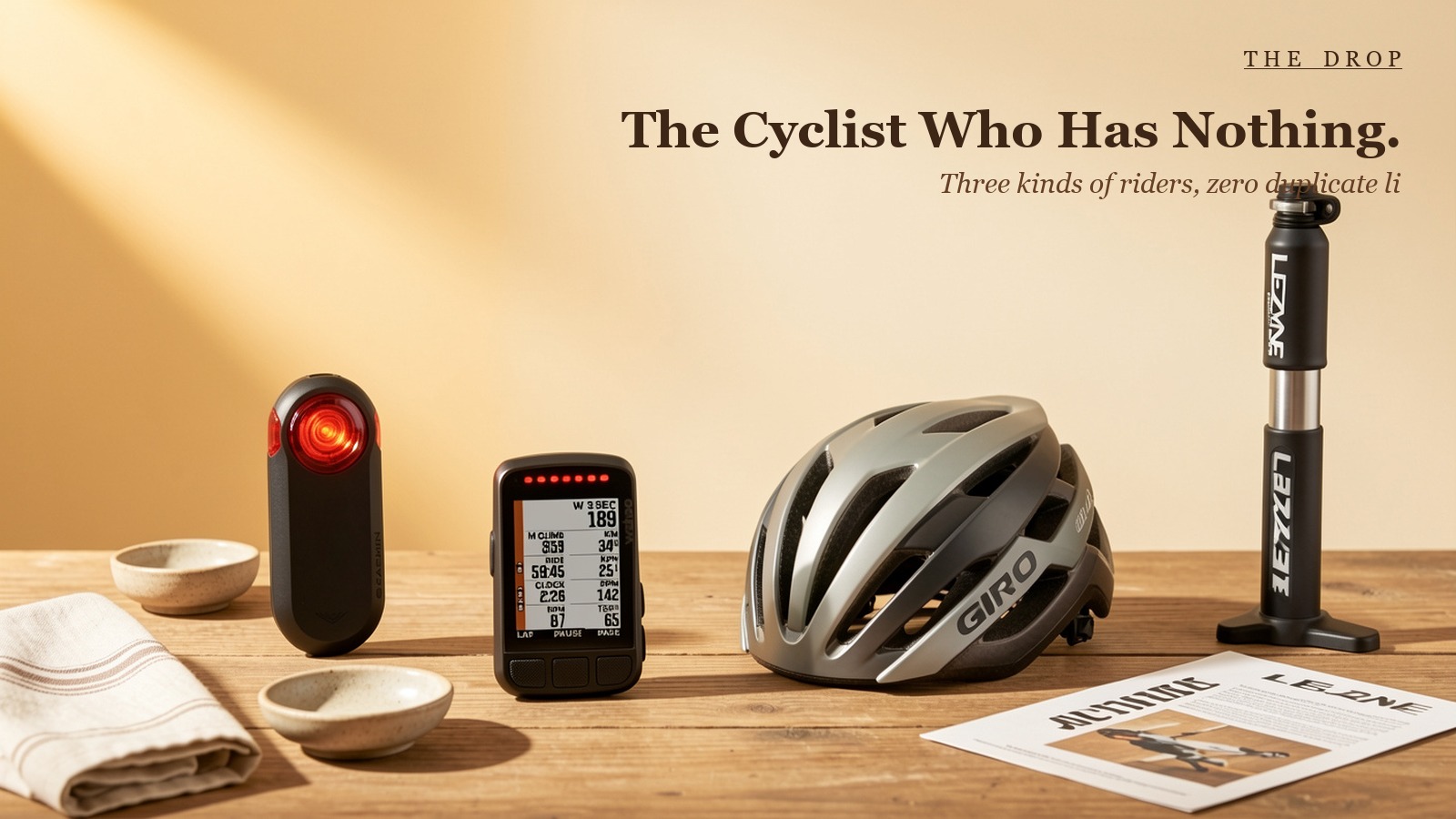
Thin merino wool liner gloves that keep hands warm on a 6am October walk without costing the dexterity needed to extract a stem carefully or turn a field guide page. Touchscreen-compatible fingertips mean GPS apps still work. Merino doesn't smell after two outings the way synthetic gloves do.
Fork it. Make it yours. Share before their birthday.
Friends claim items. No duplicates. No awkward conversations.