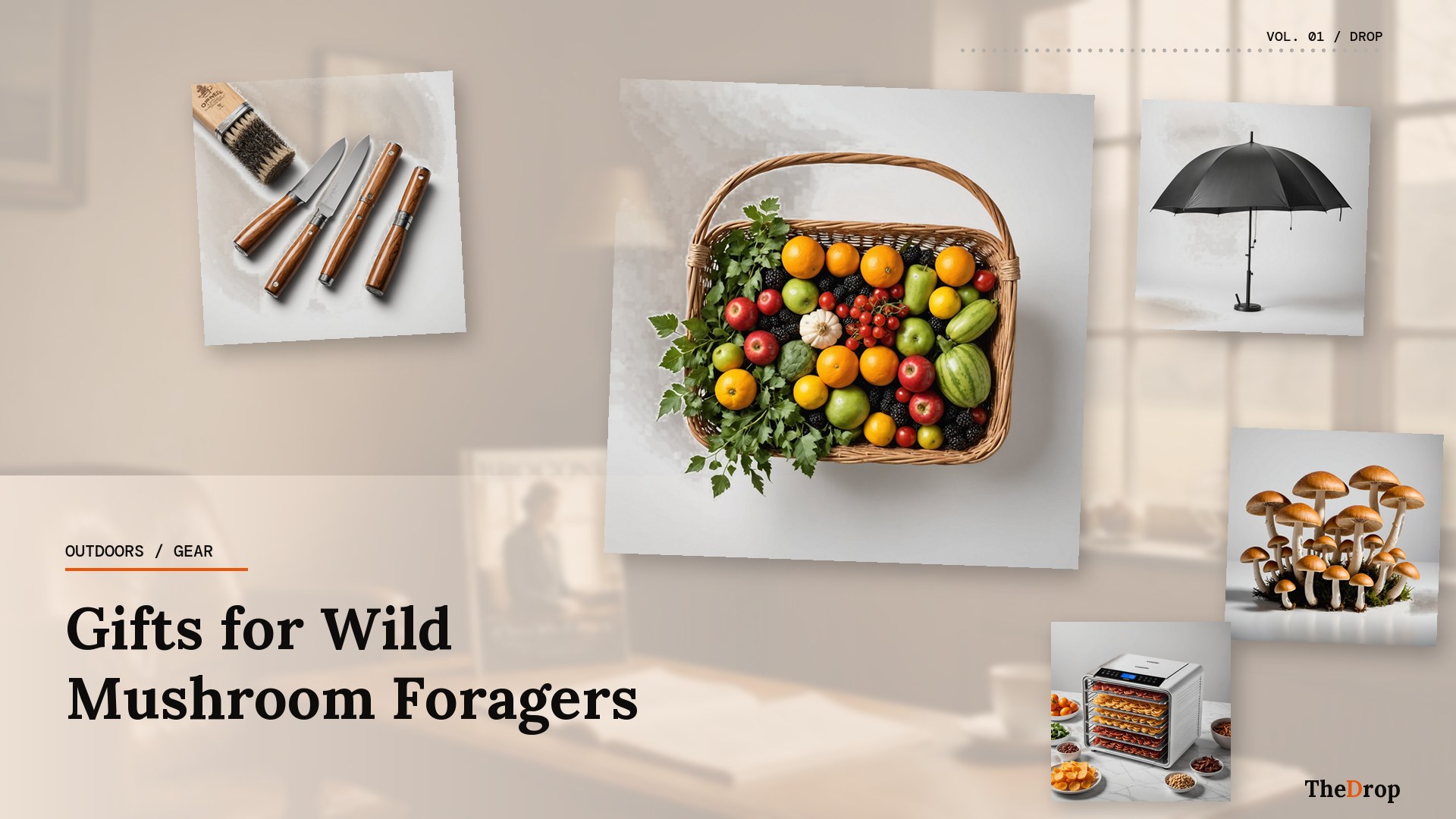
Gifts for Wild Mushroom Foragers
The intermediate mushroom forager is past the iNaturalist-ID phase. They carry a spore print kit because the field guide says to, they know which chanterelles come out in August and which come out in October, and they cook what they find the same evening with confidence. The gifts that earn their respect are the ones that treat foraging as a culinary-scientific practice — a mesh harvest basket for spore dispersal, a regional field guide that is actually right, and the foraging knife with the brush built into the handle.
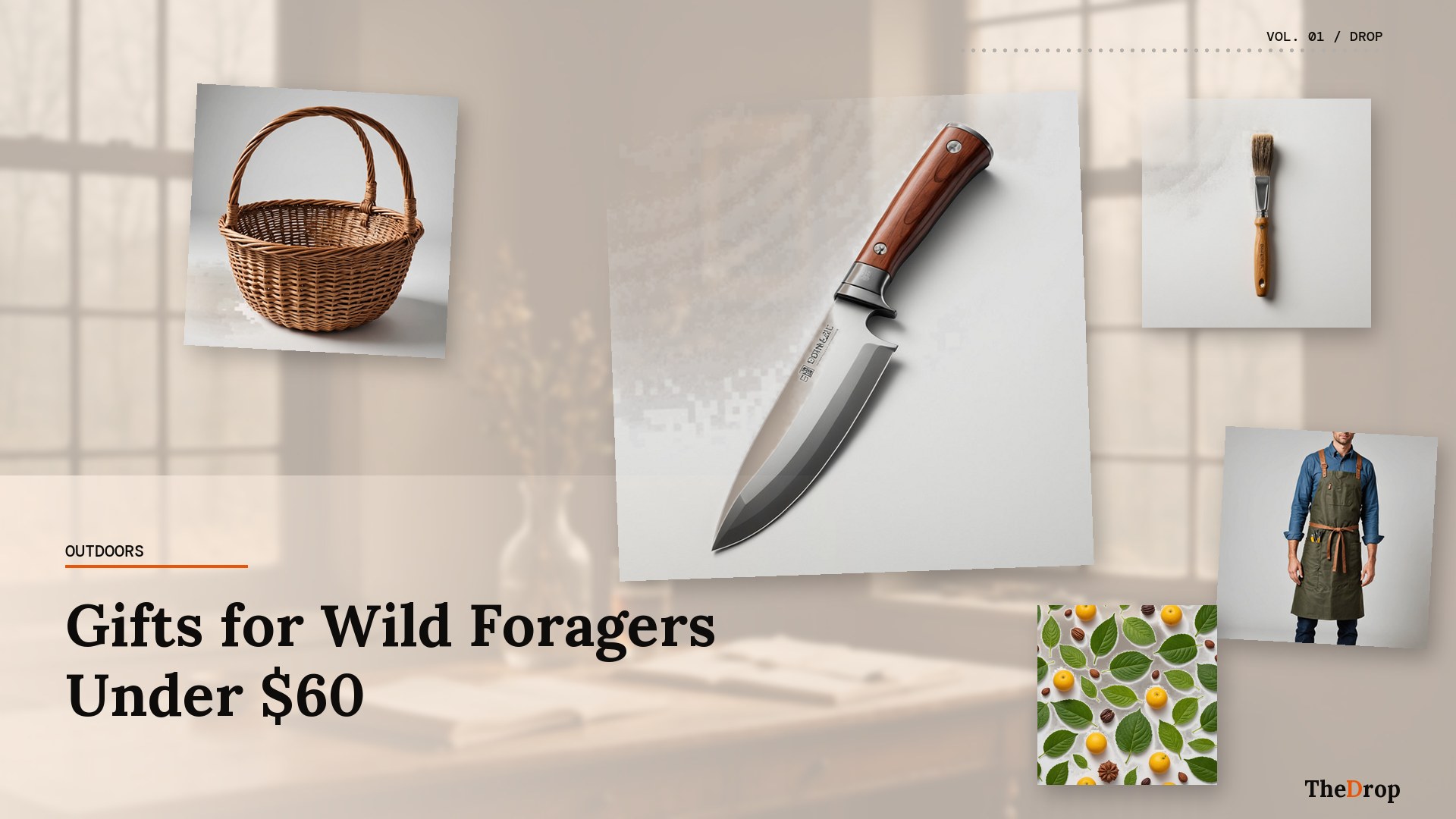
Forager's Harvest Basket with Mesh Bottom
Mesh bottom and sides allow spore dispersal as the forager walks — the reason serious foragers carry a basket instead of a plastic bag. The traditional tool that the experienced forager wants and the beginner does not know to ask for.
“The one reliable rule of gift-giving: anything that makes them look more serious at what they love will be received with disproportionate gratitude.”
All That the Rain Promises and More by David Arora
The cult field guide that serious foragers carry in their jacket pocket — not the coffee-table edition, but the small, durable, funny, and accurate regional guide. A specific recommendation that signals the gift-giver has done the research.
Mushrooms Demystified by David Arora
The comprehensive reference for identification beyond the field guide — 25,000 species, technical keys, and the depth that intermediate-to-advanced foragers want when a find is unfamiliar. The library edition that stays at home.
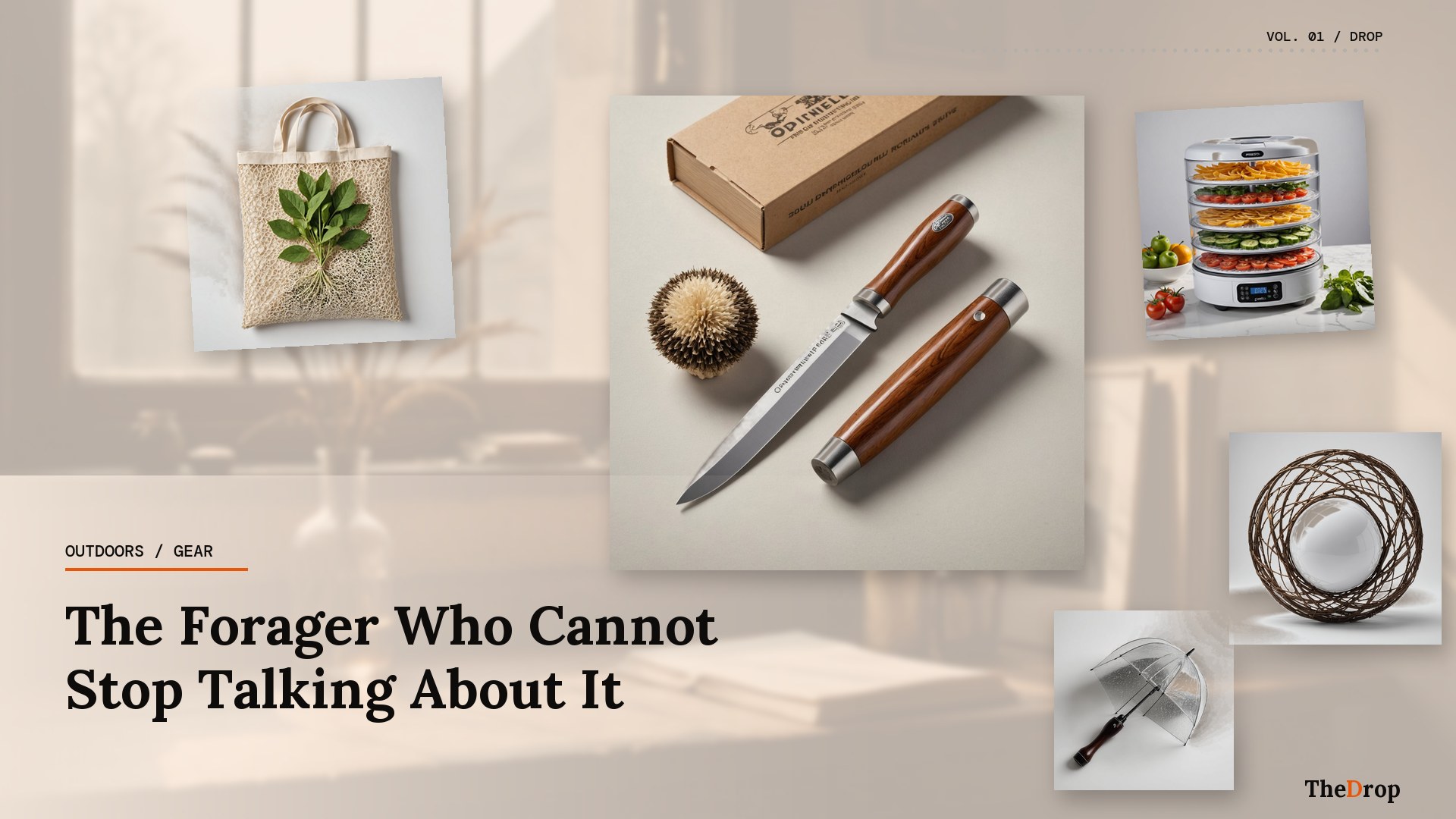
Opinel No. 8 Mushroom Knife with Boar Bristle Brush
The foraging knife with a serrated blade for cutting through stems and a boar bristle brush for cleaning caps in the field — the specific tool that experienced foragers use instead of carrying a separate brush. Classic, French, and exactly right.
Spore Print Identification Journal
A dedicated journal for recording find locations, dates, habitat conditions, and spore print results. The record that turns seasons of foraging into a personal field guide to local fruiting patterns.
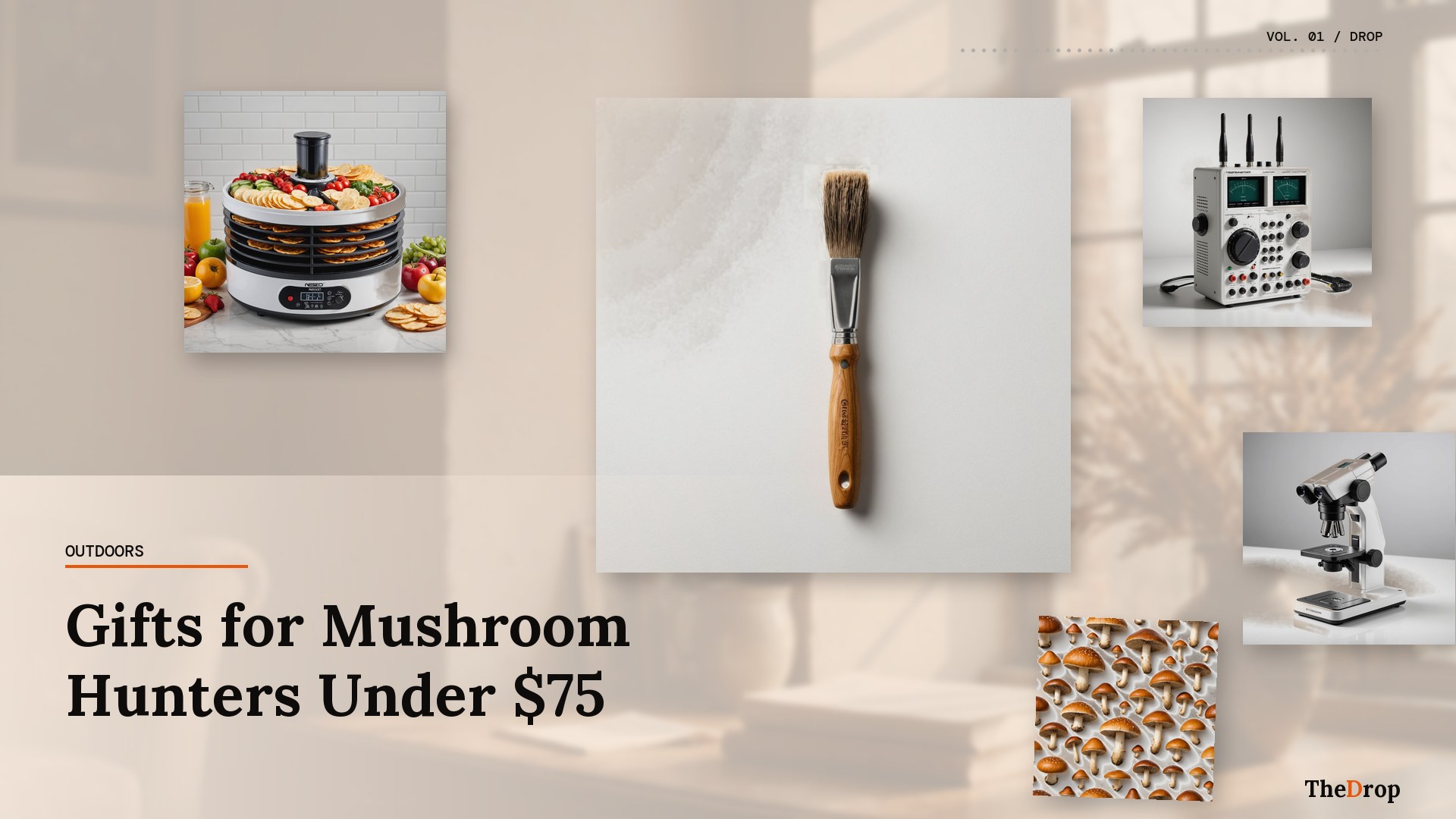
COSORI Food Dehydrator for Jerky and Harvest
A small dehydrator for preserving a significant harvest — dried chanterelles and porcini reconstitute beautifully in risotto all winter. The appliance that turns a forager from someone who eats fresh mushrooms into someone who eats their finds year-round.
Cotton Mesh Produce Bags for Field Transport
For the finds that overflow the main basket — cotton mesh bags in the jacket pocket allow spore dispersal and do not trap moisture that accelerates spoilage on the walk back. The practical backup the experienced forager always needs.
Magnifying Loupe 10x for Field Identification
Gill attachment, pore structure, and veil remnants require magnification for confident identification of ambiguous species. A 10x loupe fits in a shirt pocket and is the tool that moves identification from 'probably' to 'definitely'.
Fork it. Make it yours. Share before their birthday.
Friends claim items. No duplicates. No awkward conversations.