The Forager Who Cannot Stop Talking About It
The serious beginner forager has passed the point of casual interest. They know the difference between a chanterelle and a jack-o'-lantern mushroom. They have opinions about field guides. They are already the person in their social group who returns from hikes with a bag of things and a detailed explanation of where they found them and why the mycelium network in that particular spot is interesting. The gifts that land are the ones that make the practice more precise and more portable — because foraging is, at its core, a practice of attention, and the right tools extend attention.
David Arora 'All That the Rain Promises and More' (Western NA Field Guide)
Not a generic mushroom book. Keyed to western North America, written by the person the foraging community calls the definitive voice on the subject — Arora's larger 'Mushrooms Demystified' is the reference, but this is the field guide that goes in the bag. Region-specific, opinionated, and funny in places where a mushroom book has no business being funny.
“The one reliable rule of gift-giving: anything that makes them look more serious at what they love will be received with disproportionate gratitude.”
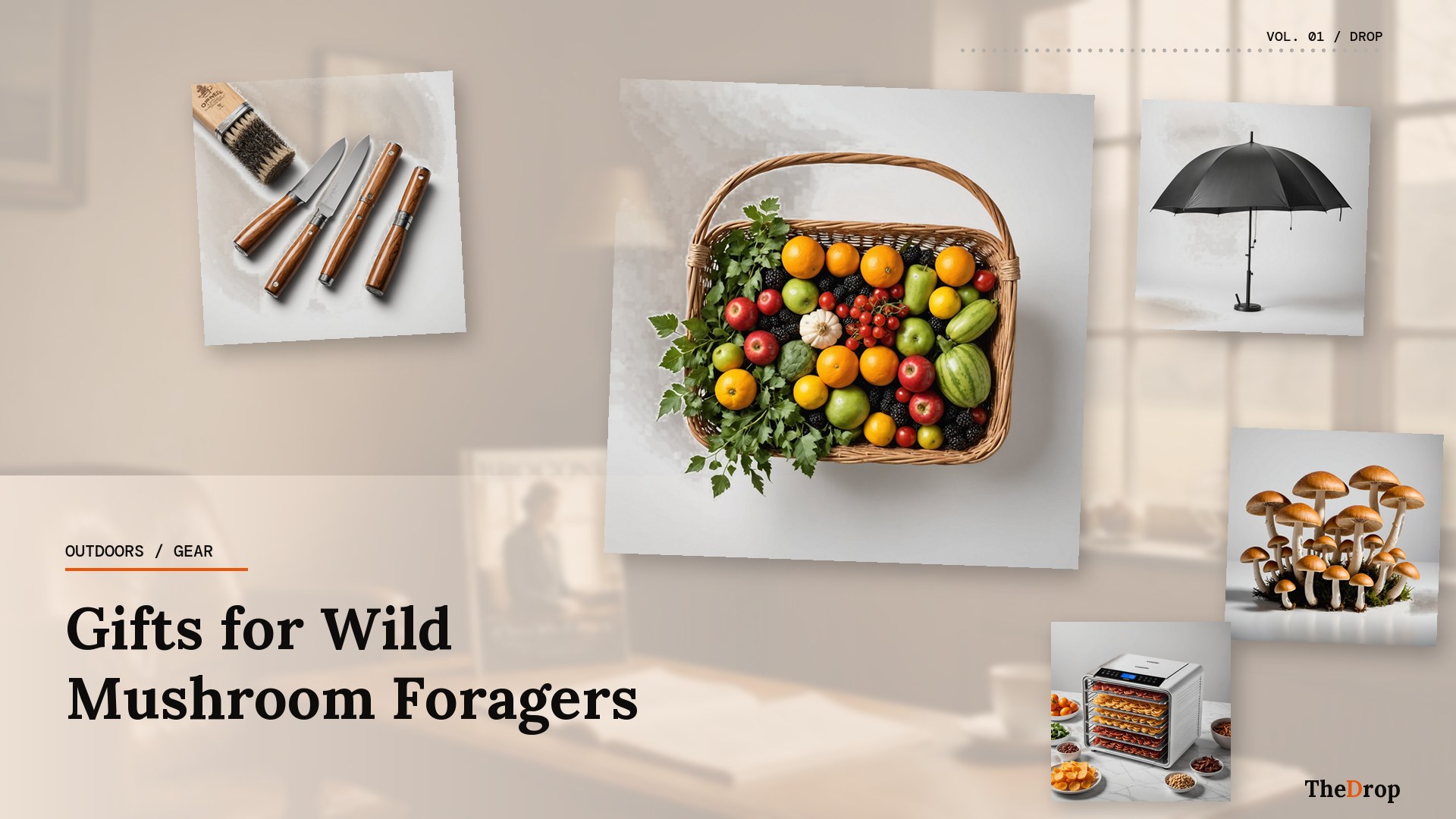
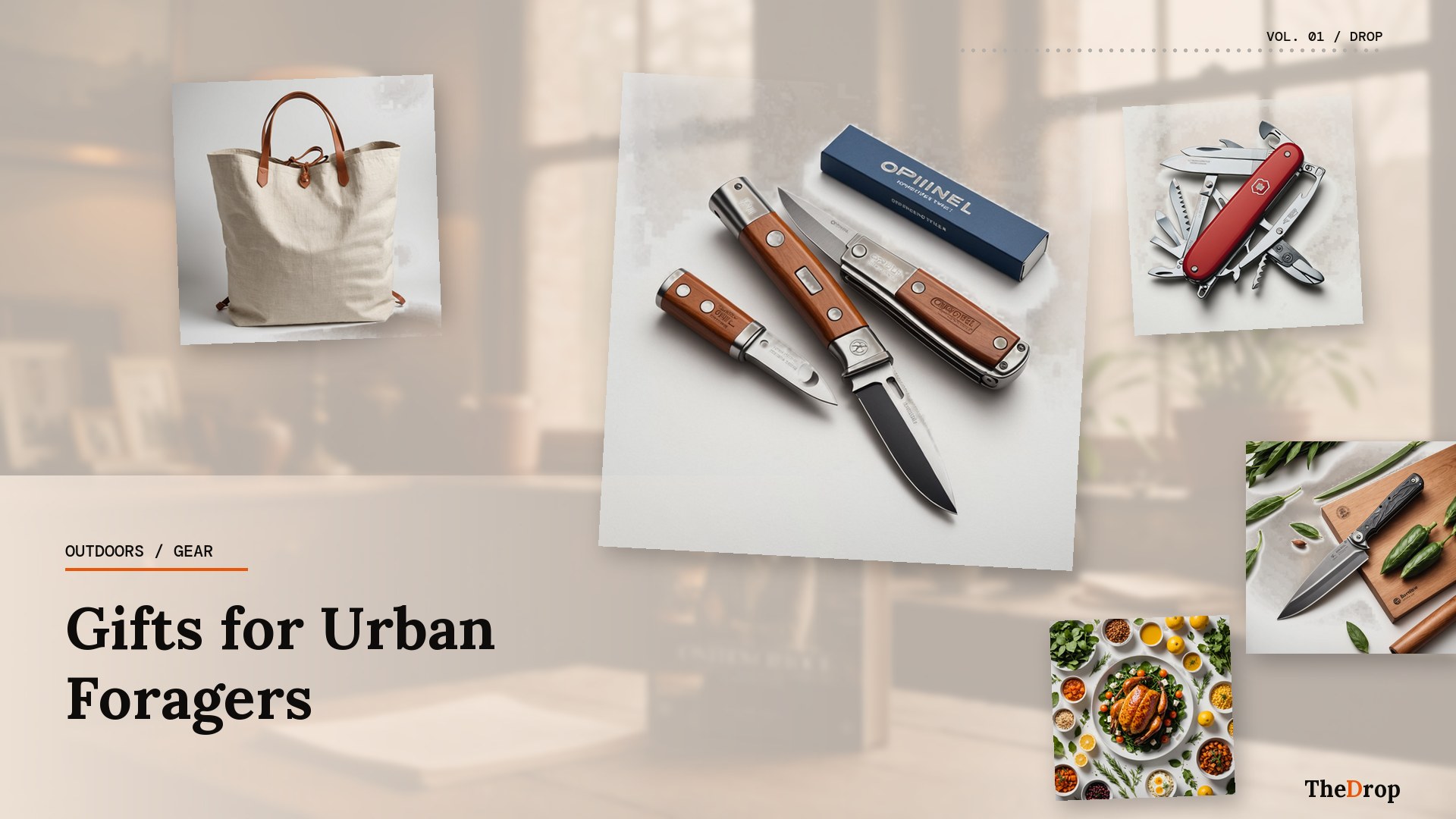
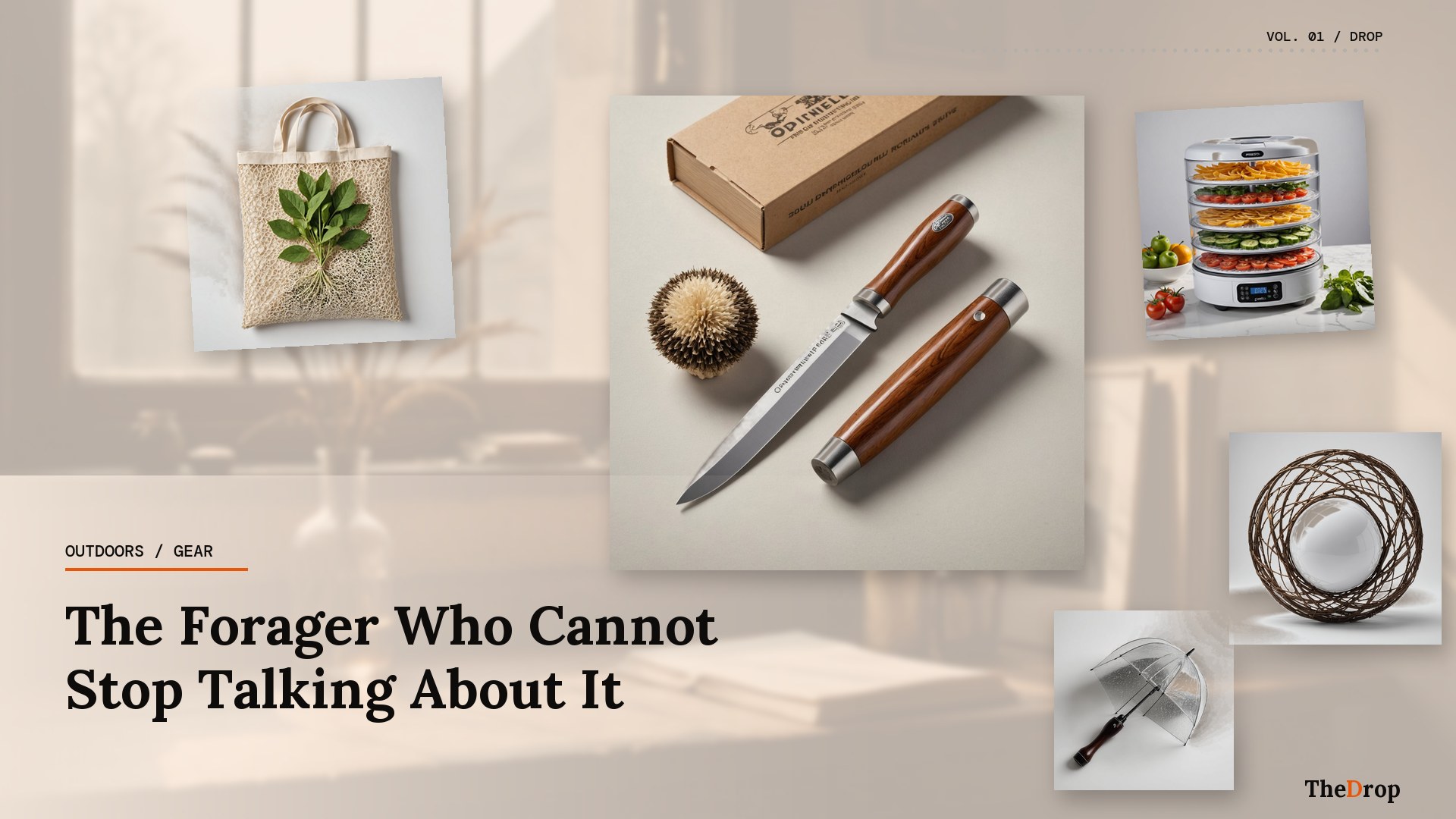
Opinel No.8 Mushroom Foraging Knife with Boar Bristle Brush
The Opinel mushroom knife is the tool the serious forager eventually arrives at — a carbon-steel blade that takes and holds an edge, a curved tip for digging at the base without damaging adjacent mycelium, and a boar-bristle brush integrated into the handle cap for cleaning in the field. The community's consensus recommendation. If they do not have one, this is overdue.
Mesh Cotton Harvesting Bag for Foraging (Set of 2)
The bag that lets spores drop back into the forest floor as they walk. A forager who does not have one has been hearing about this from everyone who does. It is also better at keeping mushrooms intact than a plastic bag, which traps moisture and accelerates deterioration over the course of a long hike.
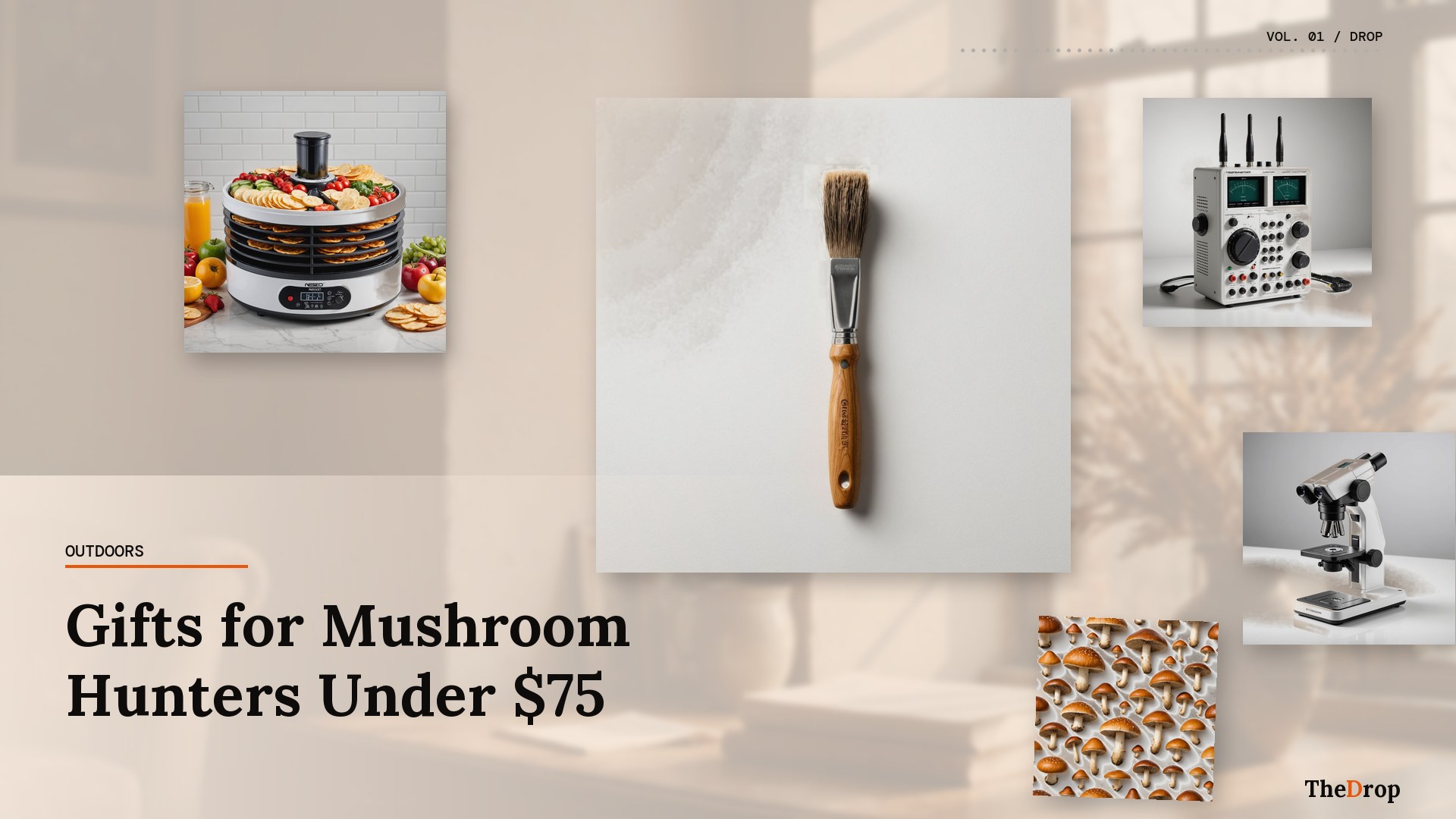
Carson MicroBrite Plus 60x-120x LED Illuminated Microscope
The step beyond a hand lens. Spore prints are identification tools, but spore morphology under a pocket microscope takes the process from approximate to specific. For the forager who has been making peace with 'probably a chanterelle' and wants to be more certain, this is the tool that raises the floor on identification confidence.
Presto Dehydro Digital Electric Food Dehydrator
The step from foraging to actually using what you find. A compact dehydrator under $60 handles mushrooms, herbs, and fruit without requiring a full kitchen commitment. The person who has been drying mushrooms in a low oven or on a screen in the sun will immediately understand what they have been missing.
'Entangled Life' by Merlin Sheldrake
The book about mycelium that everyone in the foraging community has read or been given. Sheldrake is a mycologist who writes like someone trying to share the most interesting thing they have ever learned — which is, coincidentally, the same energy the forager in your life has had since October. If they have not read it, this is overdue. If they have, it makes a good gift-with-a-note.
Leuchtturm1917 A5 Hardcover Notebook (Dotted, Forest Green)
The forager's field notebook — species, location (vague enough that the GPS coordinates stay private), weather, substrate, smell, distinguishing features. The dotted grid works better than lined for the combination of sketching and note-taking that serious identification requires. The forest green is the right colour for reasons that do not need explaining.
Fork it. Make it yours. Share before their birthday.
Friends claim items. No duplicates. No awkward conversations.