Gifts for Mushroom Hunters Under $75
Mushroom hunters get novelty mushroom items — earrings, tea towels, tote bags with porcini on them — when what they actually want are the tools that make the hunt more productive and the harvest last longer than a week.

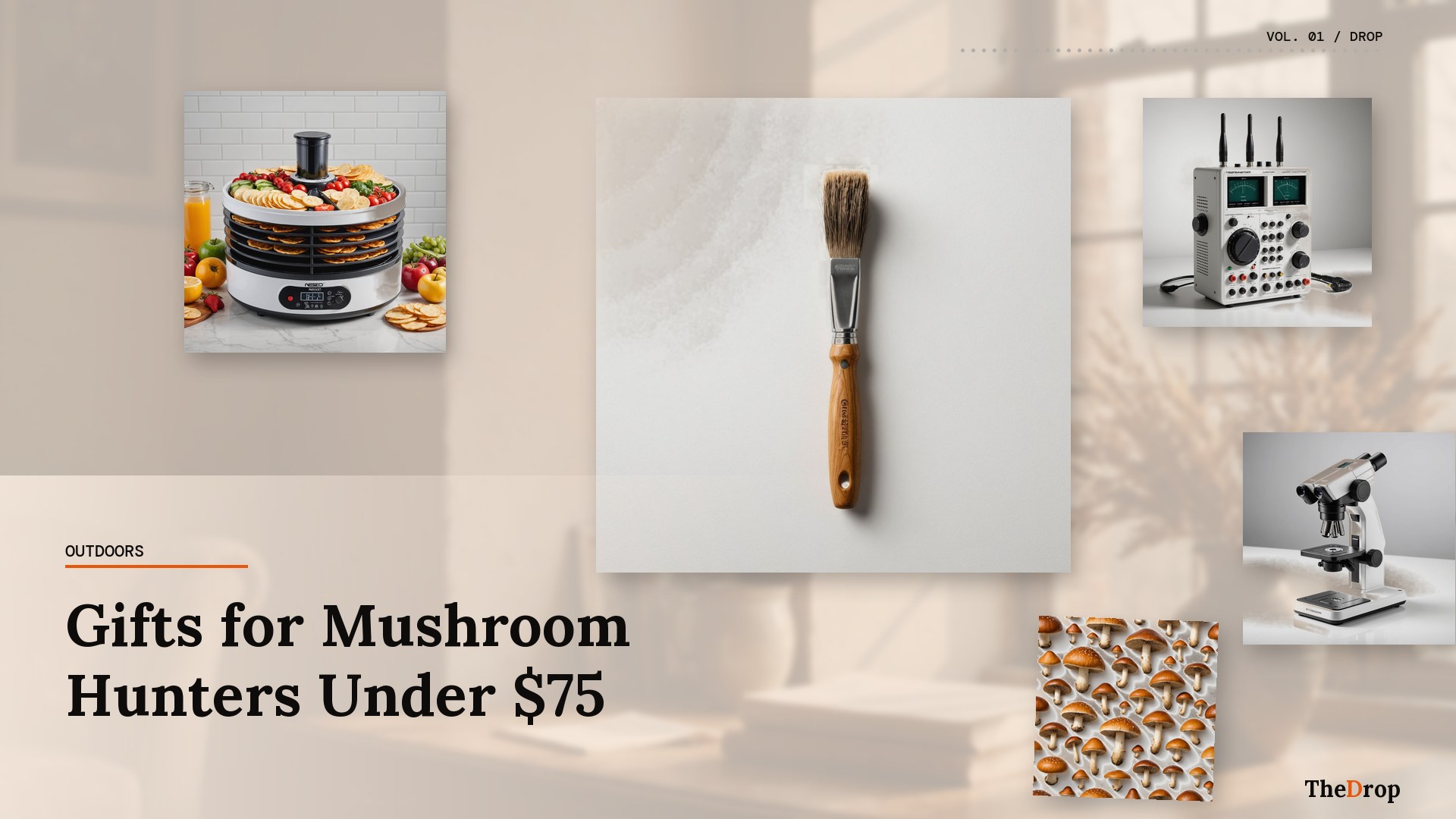
NESCO FD-75A Snackmaster Pro Food Dehydrator
A five-tray expandable dehydrator with a top-mounted fan that circulates air evenly without requiring tray rotation — the tool that turns a productive foray into a pantry of shelf-stable chanterelles, porcini, and oysters. The 500W element is enough for full loads without an overnight wait.
“The one reliable rule of gift-giving: anything that makes them look more serious at what they love will be received with disproportionate gratitude.”
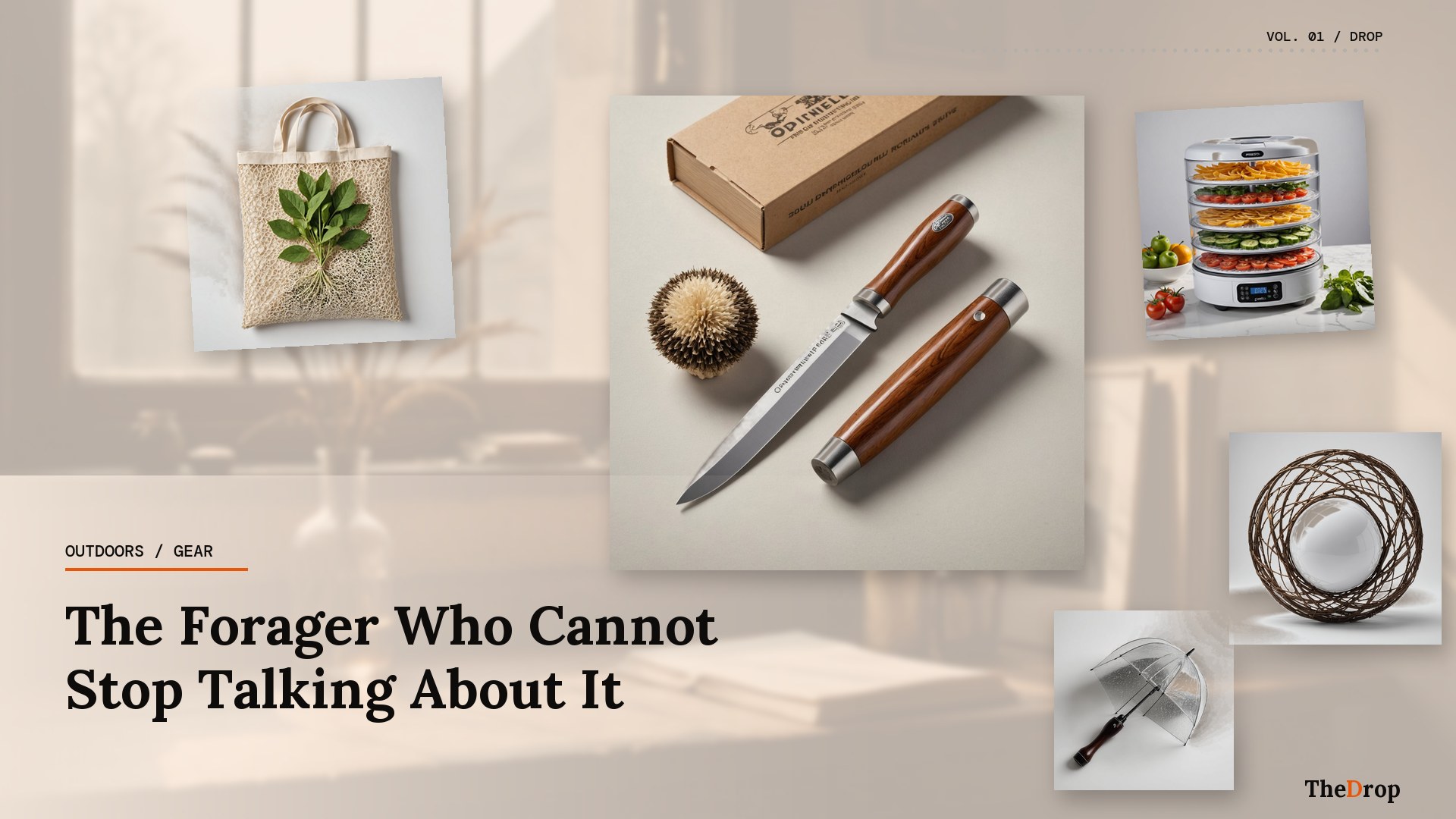
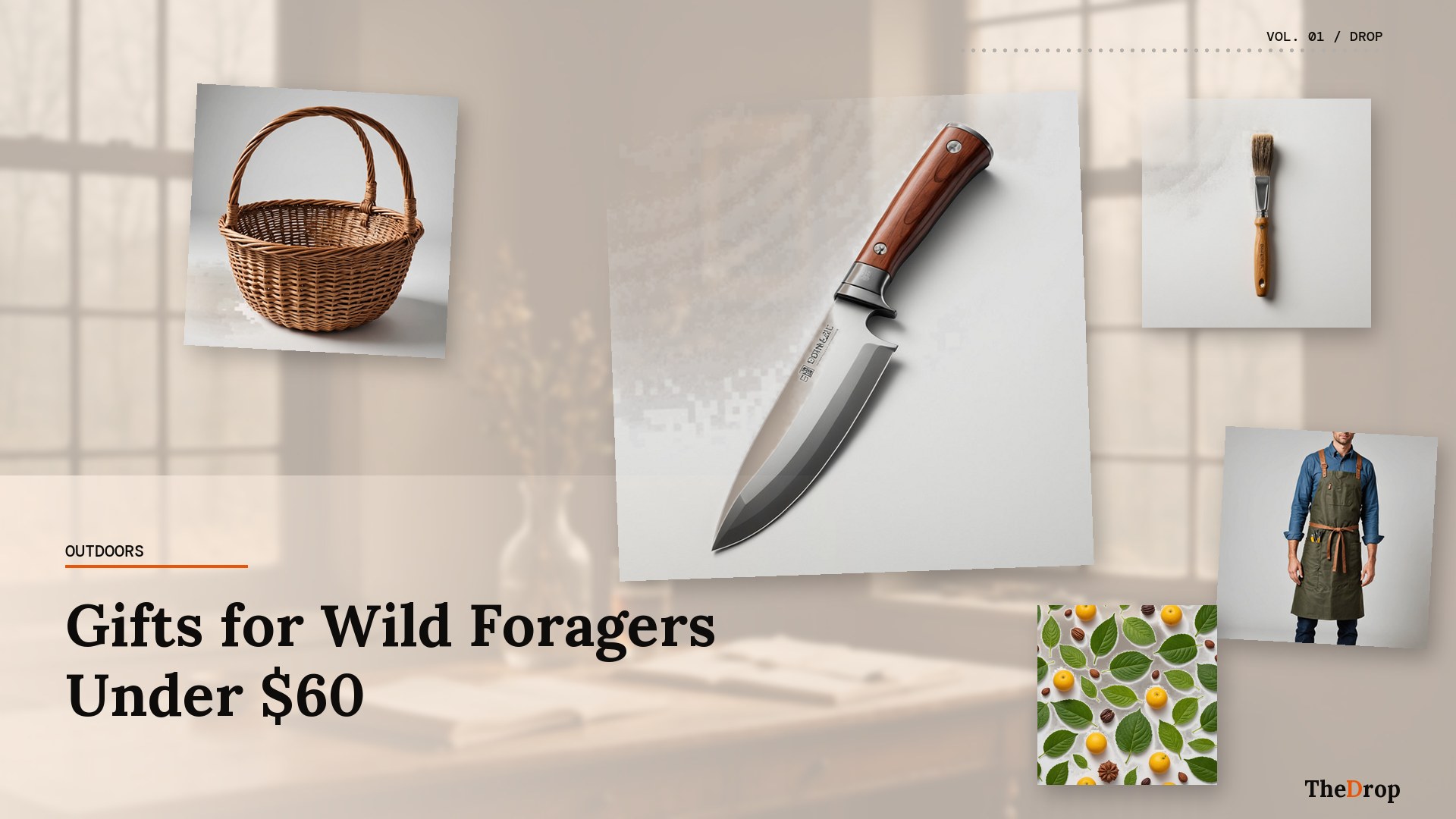
Opinel No. 8 Mushroom Knife with Boar-Bristle Brush
A carbon steel folding knife with a curved blade for cutting mushrooms at the stem and a built-in boar-bristle brush for field-cleaning caps before they go in the basket. The classic Opinel handle fits most hands. French-made, lasts decades, and the brush is the feature that separates a mushroom knife from a pocket knife.
National Audubon Society Field Guide to North American Mushrooms
The comprehensive photographic field guide covering 700+ North American species with habitat, season, and edibility notes — the reference that every serious forager carries or has worn out a copy of. The Audubon guide is the standard because the photographs are keyed to the identification keys, not separated from them.
Portable Digital Microscope (USB, 50–1000x Magnification)
A USB digital microscope that connects to a laptop for 50–1000x magnification — the tool that resolves gill structure, spore shape, and surface texture at the level where mushroom identification becomes definitive rather than probable. Mycologists who bring this to the ID table spend less time second-guessing their finds.
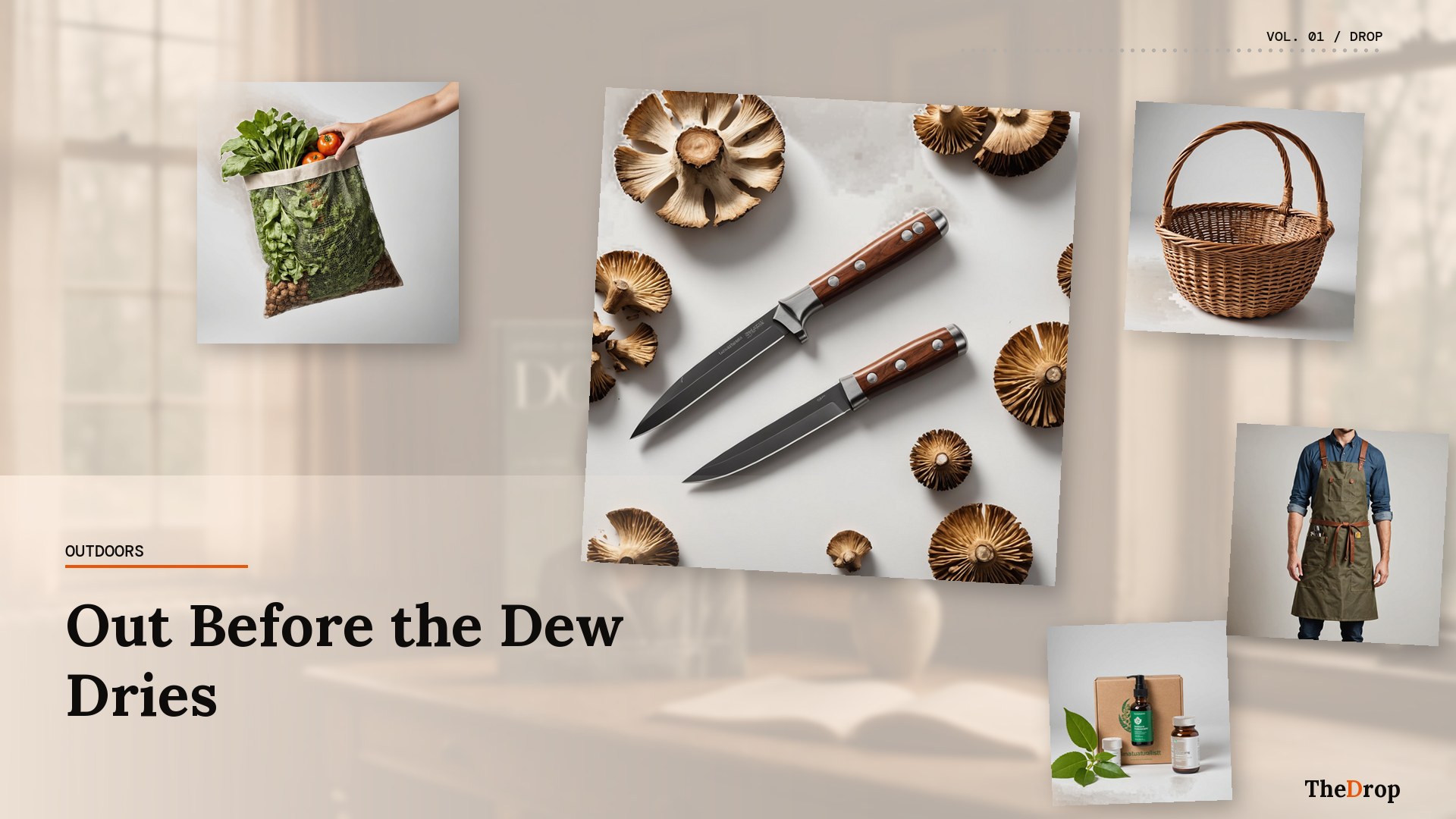
Traditional Wicker Foraging Basket with Leather Handle (32cm)
An open-weave wicker basket that lets spores disperse back to the forest floor as you walk — the ecologically intentional choice over a plastic bucket that also happens to look correct in the woods. The 32cm size handles a productive morning without becoming unwieldy on a trail.
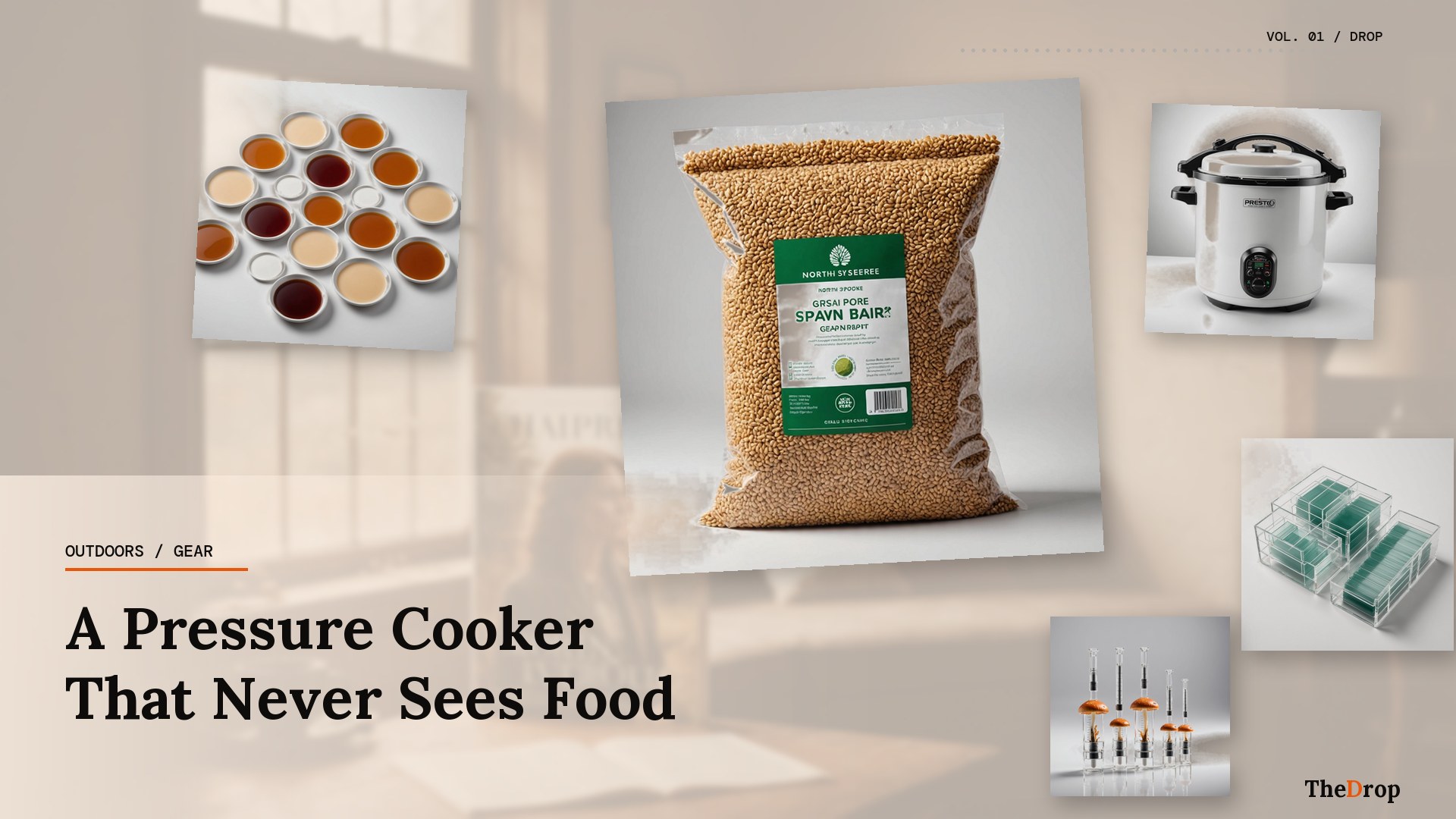
Spore Print Documentation Kit (Archival Paper, Storage Cards)
Black and white archival paper for taking spore prints plus glass-covered storage cards for mounting and labeling the collection — the system that turns field encounters into a proper mycological record. Spore color is one of the key identification markers; having the prints documented correctly matters.
Mesh Harvesting Bags for Foraging (Set of 3, Drawstring)
Cotton mesh bags with drawstring closures that keep harvested mushrooms ventilated and separate in the basket without letting them sweat in plastic — the detail that keeps chanterelles firm until you get home. Three sizes cover different day-haul volumes and sort species in the field.
Fork it. Make it yours. Share before their birthday.
Friends claim items. No duplicates. No awkward conversations.