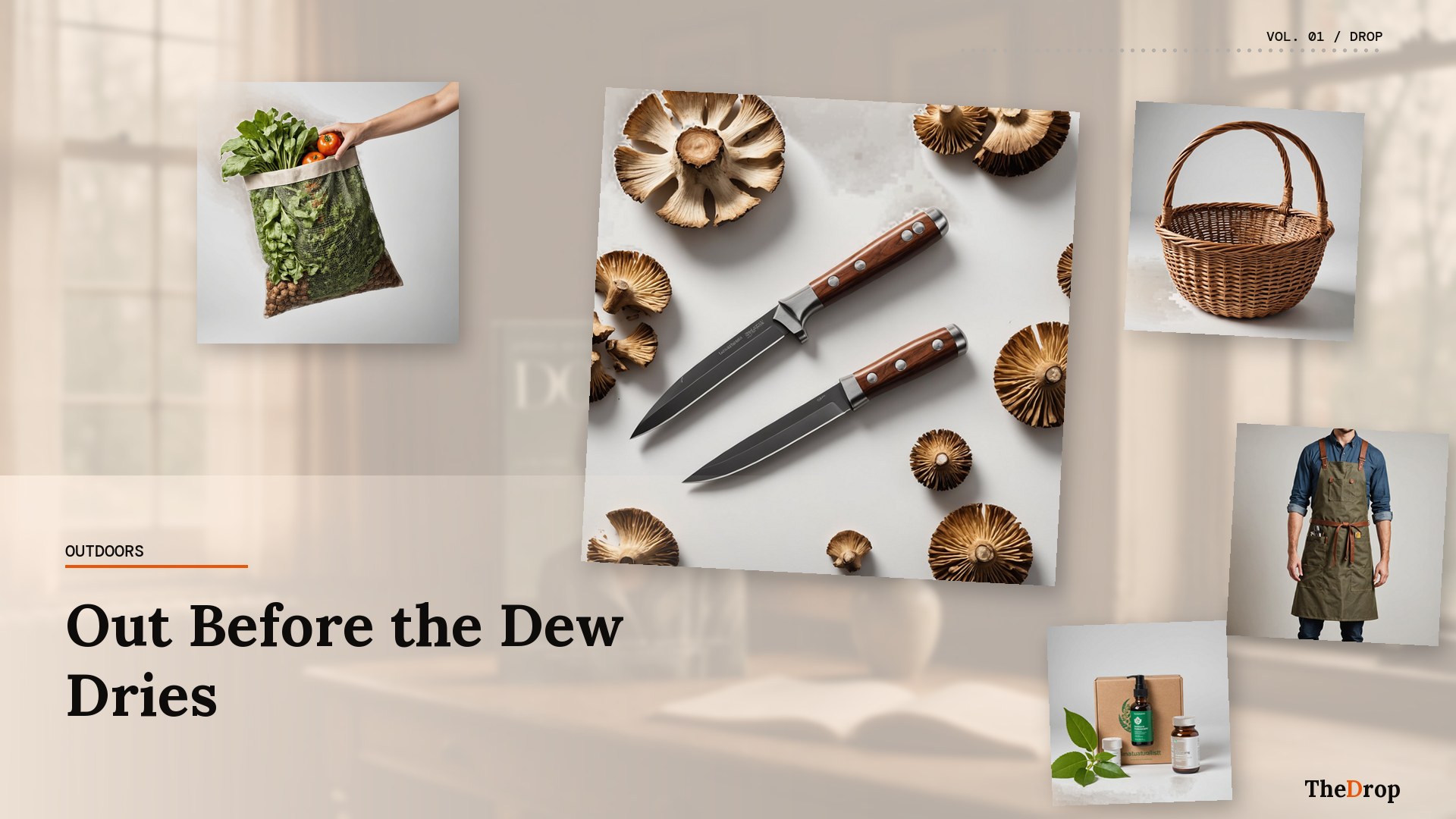
Out Before the Dew Dries
Forager gifts fail when they buy a tote bag with a mushroom print on it. The actual forager is in the field before the dew dries, looking for clean cuts that do not damage root structure, and carrying a basket that lets spores disperse as they walk. This drop goes to the field: practical tools for a physical practice, organized around what makes a productive foray.

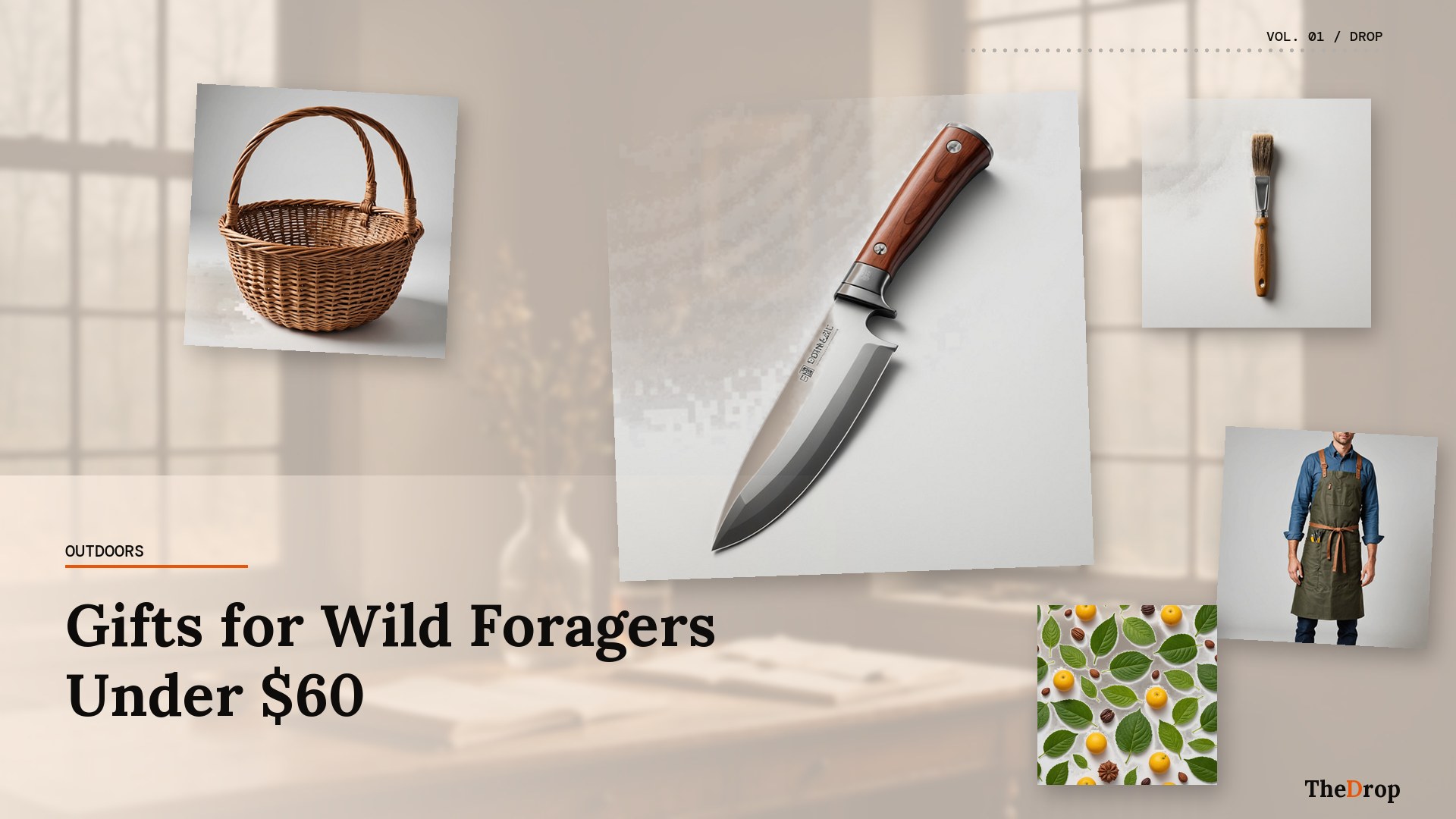
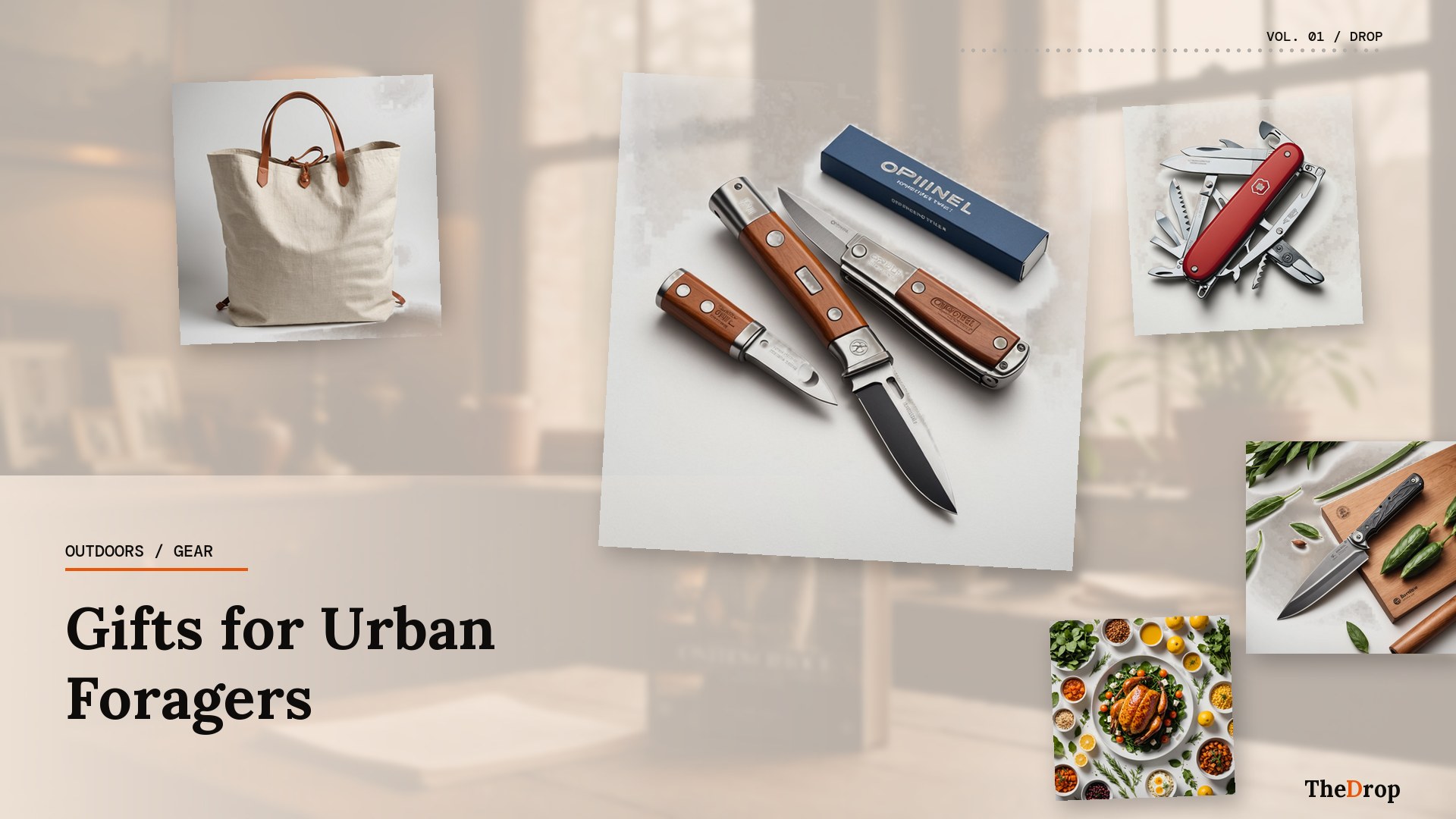
Laguiole Wild Mushroom Harvesting Knife with Brush
A folding knife with a stiff bristle brush on the spine — the field tool that cuts the stem cleanly at the base and brushes soil from caps without bruising the flesh. This combination is standard kit in every European foraging tradition and almost entirely absent from American gift lists. The knife they're describing when they say 'I need a proper foraging knife.'
“The one reliable rule of gift-giving: anything that makes them look more serious at what they love will be received with disproportionate gratitude.”
Samuel Thayer "Incredible Wild Edibles" Field Guide
Thayer writes the field guides that foraging communities treat as primary references, not starting points — species accounts that go deep on ecology, seasonality, preparation, and lookalike separation in a way that coffee-table mushroom books never do. The gift that adds real identification confidence rather than a second copy of the same generic guide they already own.
Rein Earth Mesh Harvesting Bag (Natural Cotton, Drawstring)
An open-mesh cotton bag lets mushroom spores disperse as you walk through the forest — the responsible forager's harvest bag versus a plastic bag that cooks the mushrooms in afternoon heat. This is a visible signal: the person carrying a mesh bag is someone who thinks about the forest they're walking through, not just what they're taking from it.
Waxed Canvas Foraging Apron with Deep Pockets
Deep front pockets that hold a field knife, a specimen bag, and a guide without flopping against legs during a scramble through undergrowth. The wax coating sheds morning dew from tall grass without the chemical treatment of synthetic materials. Built for decades of field use, not a single spring — the opposite of outdoor fashion.
iNaturalist Pro Subscription (Annual)
Photograph a specimen, upload it, get AI-assisted species suggestions confirmed by a community of naturalists — the foraging community's field identification app. An annual subscription supports the platform and unlocks the observation data and range maps that improve identification confidence across seasons. What iNaturalist does for pattern recognition over time is what a field guide alone cannot.
Wicker Foraging Basket with Leather Handle (Medium)
A traditional woven wicker basket with a leather handle — ventilated, gentle on delicate caps, and unchanged in design because the design is correct. This has been the mushroom-foraging vessel in Eastern Europe for centuries, which is why it still appears in the field every autumn. Not decorative; functional in a way that looks good because it was designed around the work.
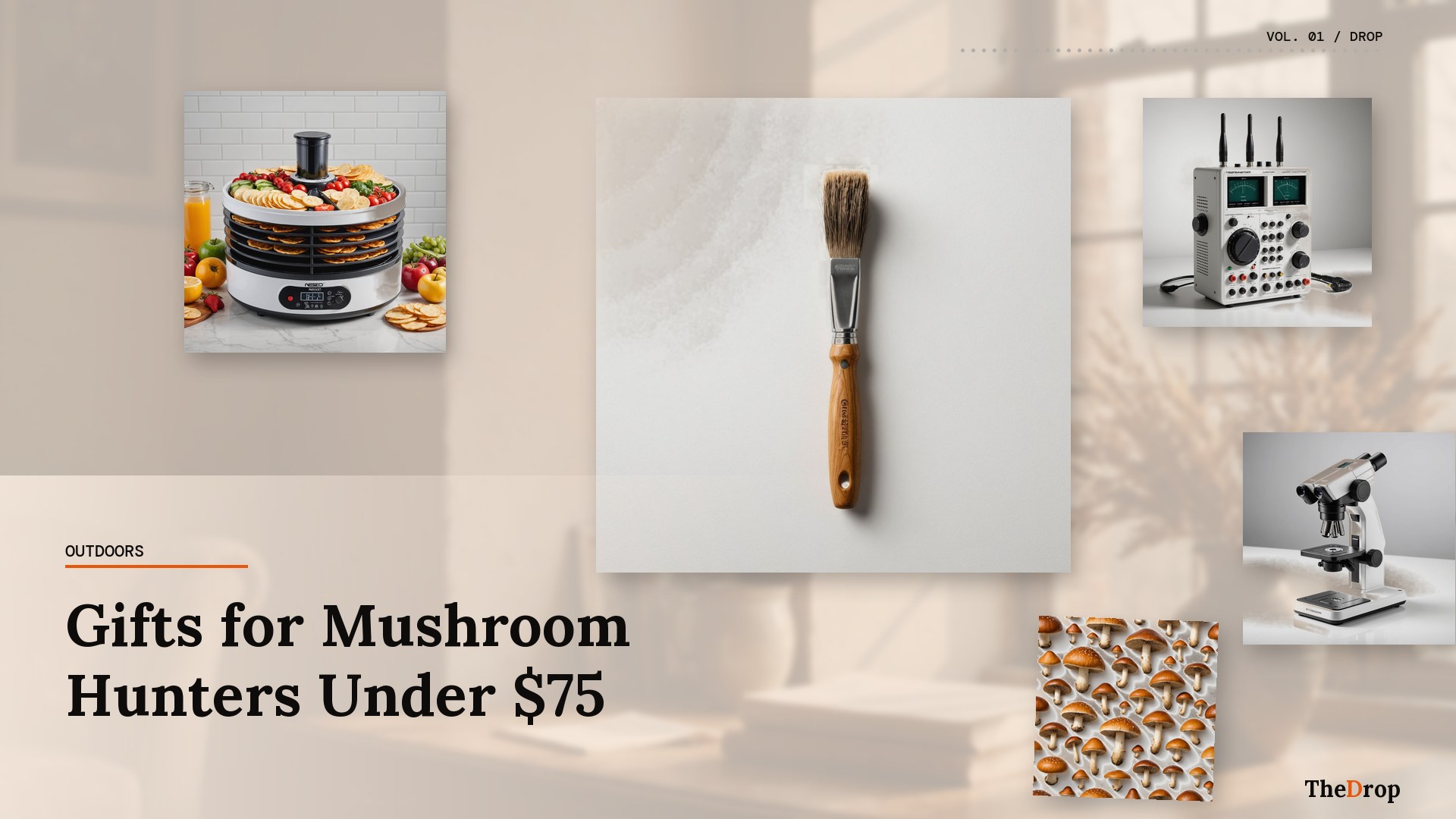
Compact Jeweler's Loupe 10x (for Spore and Cap Identification)
A 10x hand loupe in a folding metal case, pocketable, that reveals gill attachment, spore surface texture, and ring structure details that separate lookalikes in the field. The field guides describe these features. This is the tool that lets you see them. For $13.
Nesco Snackmaster Pro Food Dehydrator FD-75A
The appliance that turns a productive foray into a pantry. A full harvest of chanterelles, porcini, or morels dehydrated overnight at 135°F becomes a 12-month archive in an airtight jar — the difference between scrambling to cook through a big find in three days and actually enjoying what you brought home.
Fork it. Make it yours. Share before their birthday.
Friends claim items. No duplicates. No awkward conversations.