Gifts for competitive padel players under $75
Three sessions a week means the grip tape runs out, the balls go dead, and the elbow starts talking back — usually all in the same month. These are the things a serious padel player actually burns through, wears out, or has been meaning to buy since the last tournament.
Item 1
A 30-pack of HEAD overgrip lasts a serious player roughly three months of three-sessions-a-week training — which is exactly how long they'd want to go before buying more. Fresh grip is one of those small things that makes every session feel intentional rather than sloppy.
“The one reliable rule of gift-giving: anything that makes them look more serious at what they love will be received with disproportionate gratitude.”
Item 2
Court socks are the item competitive players keep borrowing from each other and never actually own. The Bullpadel BP10 has reinforced heel and toe zones and arch compression that keeps the sock from migrating inside a tight court shoe during lateral sprints. Three pairs covers a full training week.
Item 3
Pressurized padel balls go flat faster than tennis balls — a player training three times a week will notice the difference within a fortnight. A 12-ball case buys roughly a month of sessions where the bounce is actually consistent, which matters more than most people admit until they've trained with fresh ones.
Item 4
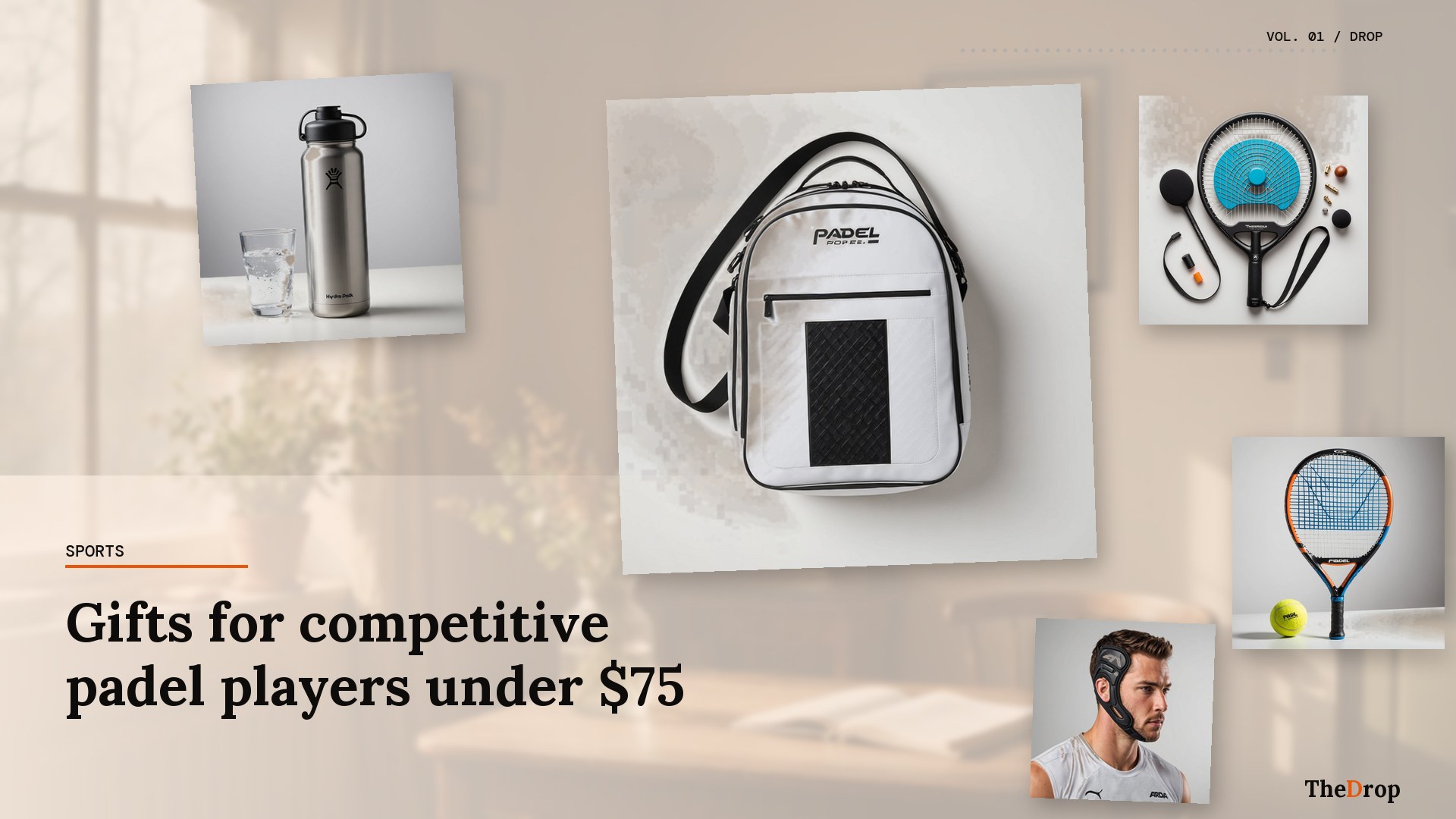
A padel-specific bag is a small upgrade that changes the ritual of going to the court. The Babolat holds two rackets without letting them knock against each other, keeps shoes in a separate pocket so the bag doesn't smell, and is light enough to carry on a shoulder without feeling like a commute. The right size for the actual sport.
Item 5
Lateral elbow strain is the padel injury everyone pretends isn't happening until it sidelines them. This compression sleeve fits under a sleeve, stays in place through dynamic movement, and costs less than one physio appointment. Not a cure — a reasonable preventive measure for someone training at volume.
Item 6
Nox makes padel gear for the Spanish club circuit, where sweatbands are as standard as overgrips. This six-pack — wrist and head options — means a player can rotate through a full training week without washing between sessions. A small thing that eliminates a specific, recurring annoyance.
Item 7
Cold water after a hard indoor session is a minor but genuine pleasure, and the Hydro Flask keeps it cold for 24 hours without the condensation that soaks everything else in the bag. The 32 oz size is the right call — enough for a full session, not so large it becomes a burden to carry. The wide mouth fits ice.
Item 8
The entry-level Theragun is not the full percussion therapy setup — it's the one that actually fits in a racket bag and gets used after sessions rather than sitting on a shelf. Three speed settings, an ergonomic handle that reaches the forearm and calf without contortion, and small enough that 'I'll do it at the court' becomes a real option rather than an excuse.
Item 9
Padel demands lateral movement that running shoes aren't built for — the herringbone outsole on the Gel-Game 9 grips artificial grass and concrete without sliding, and the GEL heel cushioning absorbs the repeated impact of four-hour training blocks. The difference between a court shoe and a cross-trainer is noticeable within the first session.
Item 10
Padel involves hitting the ball off walls, which means the racket frame hits walls too. Protector tape is the $13 item that extends the life of a $200 racket — a self-adhesive polyurethane strip around the head that absorbs scrapes without affecting play. The kind of practical gift that gets used immediately and appreciated every session afterward.
Fork it. Make it yours. Share before their birthday.
Friends claim items. No duplicates. No awkward conversations.