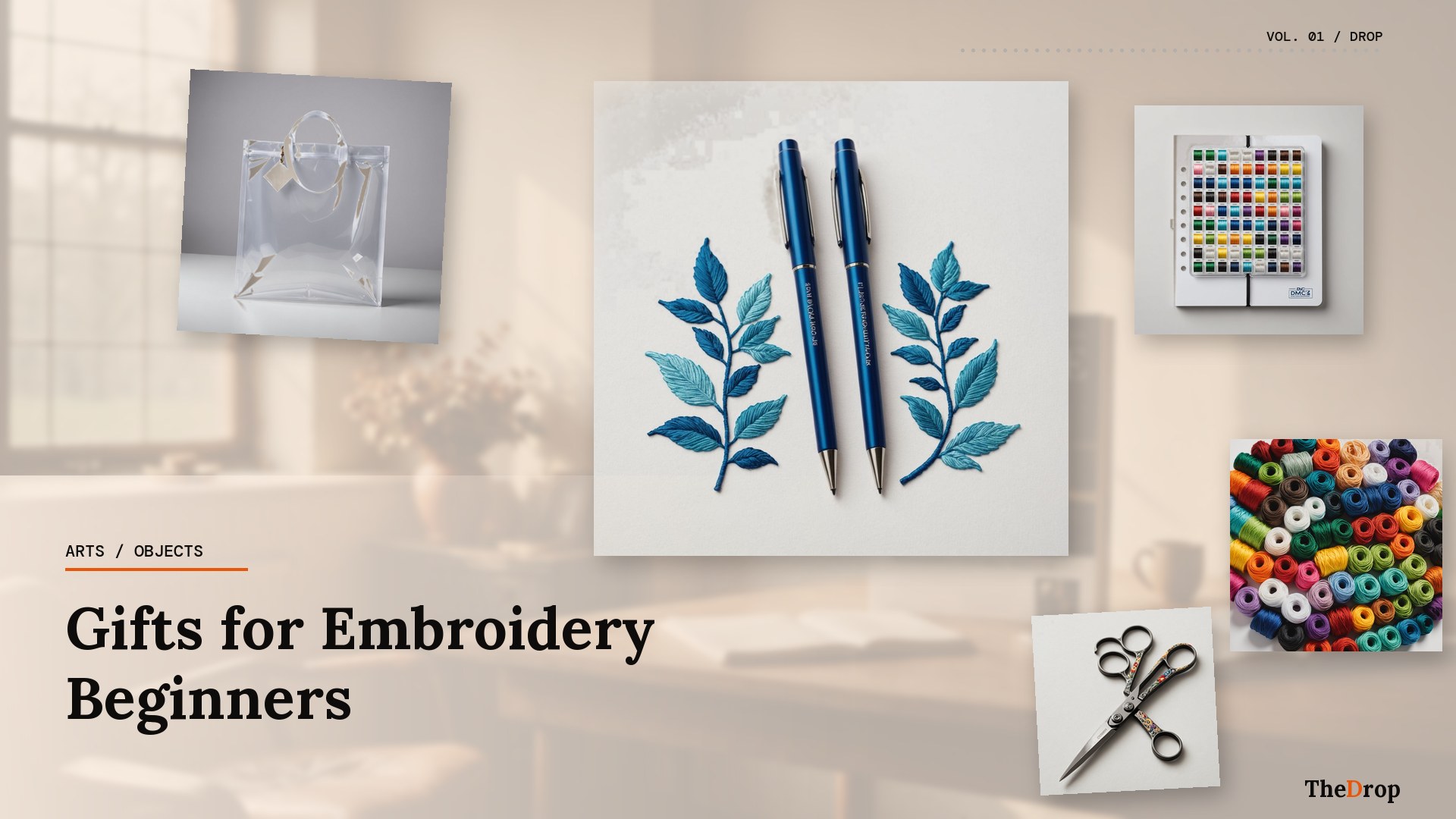
Gifts for Embroidery Beginners
Embroidery has a straightforward barrier: most beginners start with a cheap kit, produce a frustrating result, and blame their own skill rather than the inadequate materials. The gifts that actually help are quality hoops that hold fabric taut, proper DMC thread in colors worth using, and a transfer method that lets a stitcher work from their own designs rather than whatever came in the box. These eight picks set someone up correctly from the start.
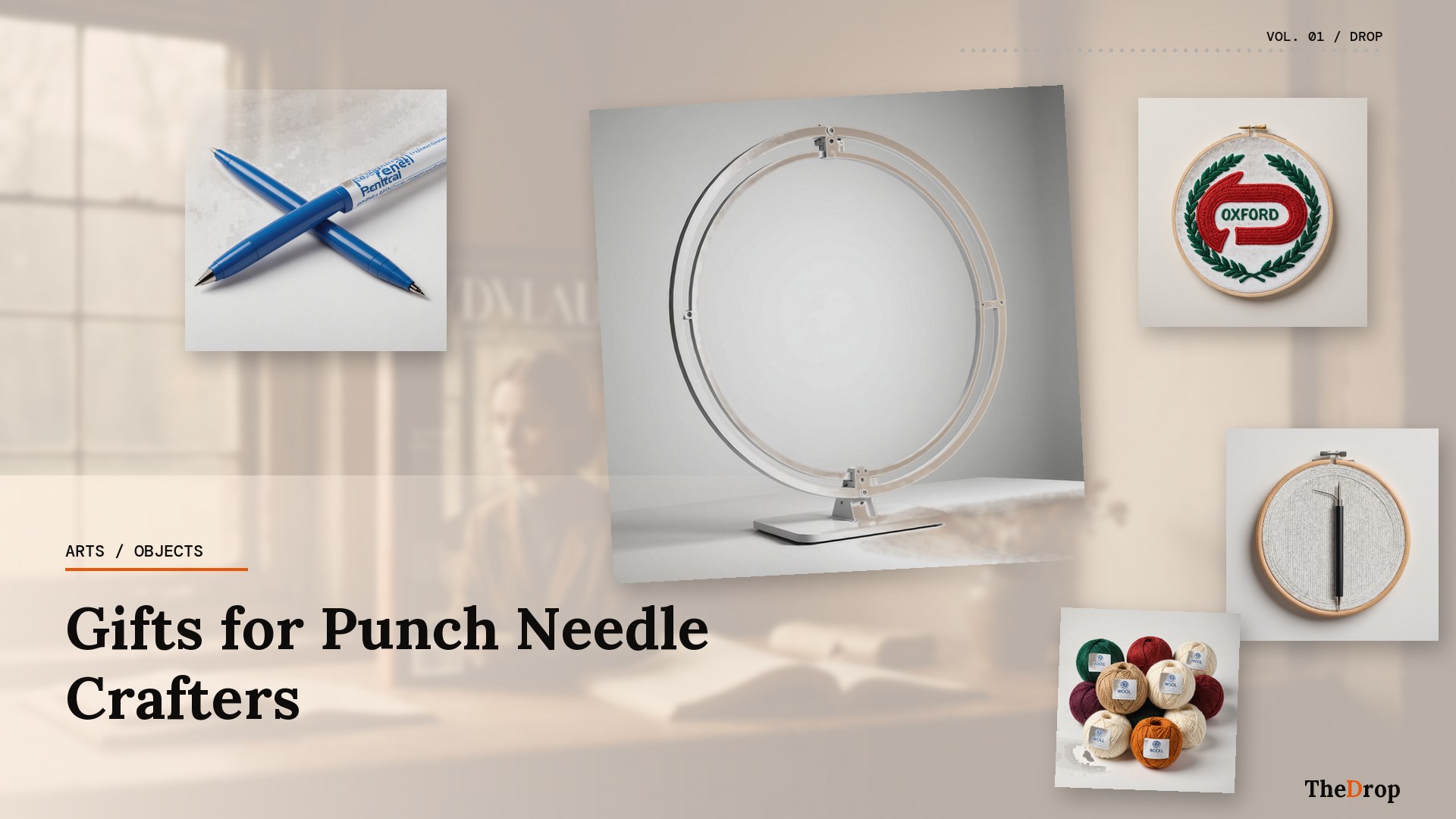
Caydo Embroidery Hoop Set — 6 Sizes (4" to 10"), Beech Wood
A six-hoop set covering the most common sizes means a beginner has the right hoop for any project rather than forcing a 5-inch design into a 10-inch hoop. Beech wood hoops are the community standard — they grip fabric without the plastic hoop slippage that lets tension go loose mid-stitch. The starting point the beginner supply lists always include first.
“The one reliable rule of gift-giving: anything that makes them look more serious at what they love will be received with disproportionate gratitude.”
DMC Floss Organizer Binder — 100 Cards, Plastic Floss Bobbins Included
The DMC floss binder solves the problem that derails every embroidery beginner: tangled, unlabeled thread that takes longer to sort than to stitch. Pre-wound bobbins with numbered card slots keep the collection organized and identifiable by DMC color number — the system that lets someone look up a pattern's thread requirements and find them in twenty seconds.
DMC Embroidery Floss Starter Pack — 36 Assorted Colors
DMC is the universal standard for embroidery floss — patterns specify DMC numbers, not color names, which means DMC thread is the only format that guarantees the colors in a purchased pattern match what arrives in the post. A 36-color assortment covers most patterns without requiring individual skein hunting.
Water-Soluble Embroidery Transfer Pen — Blue, 2-Pack
A water-soluble transfer pen lets a stitcher trace any design directly onto fabric and have the marks disappear completely when finished — the tool that unlocks working from any image, phone photo, or drawn design rather than being restricted to pre-printed patterns. Blue ink shows clearly on most fabric colors and rinses clean with cold water.
Embroidery Scissors — 4-Inch, Stainless Steel, Crane Design with Sheath
Embroidery requires scissors small enough to snip thread flush at the fabric surface — the kitchen scissors beginners start with are too large and too blunt for this. The traditional crane design is the correct tool at the correct scale, and the sheath protects the point during storage in a sewing kit or project bag.
"Weekend Makes: Embroidery" — 25 Beginner Projects by Emma Leith
Emma Leith's Weekend Makes is the beginner guide that teaches actual technique rather than just providing patterns — each project introduces a new stitch with step-by-step photography showing the thread path at full stitch detail. The stitches covered in this book are the twenty that appear in 80% of all patterns; learning them here means every subsequent pattern is readable.
Sulky Sticky Fabri-Solvy Water-Soluble Stabilizer — 8.5x11, 12 Sheets
Printable water-soluble stabilizer lets a stitcher print any design, stick it directly to fabric, stitch through it, and wash it away completely — the method that the embroidery community uses for complex patterns that would take hours to transfer by hand. One sheet per project; twelve is enough to run for months.
Plastic Project Bag with Zipper — 12x10-Inch, Clear, Set of 3
Every embroidery project needs a project bag — a clean container that keeps the current hoop, floss, and needle together between sessions so a half-finished piece doesn't turn into a tangled sorting exercise. Clear zip bags in a useful size are the organization tool that keeps a beginner coming back to the project instead of abandoning it in a drawer.
Fork it. Make it yours. Share before their birthday.
Friends claim items. No duplicates. No awkward conversations.