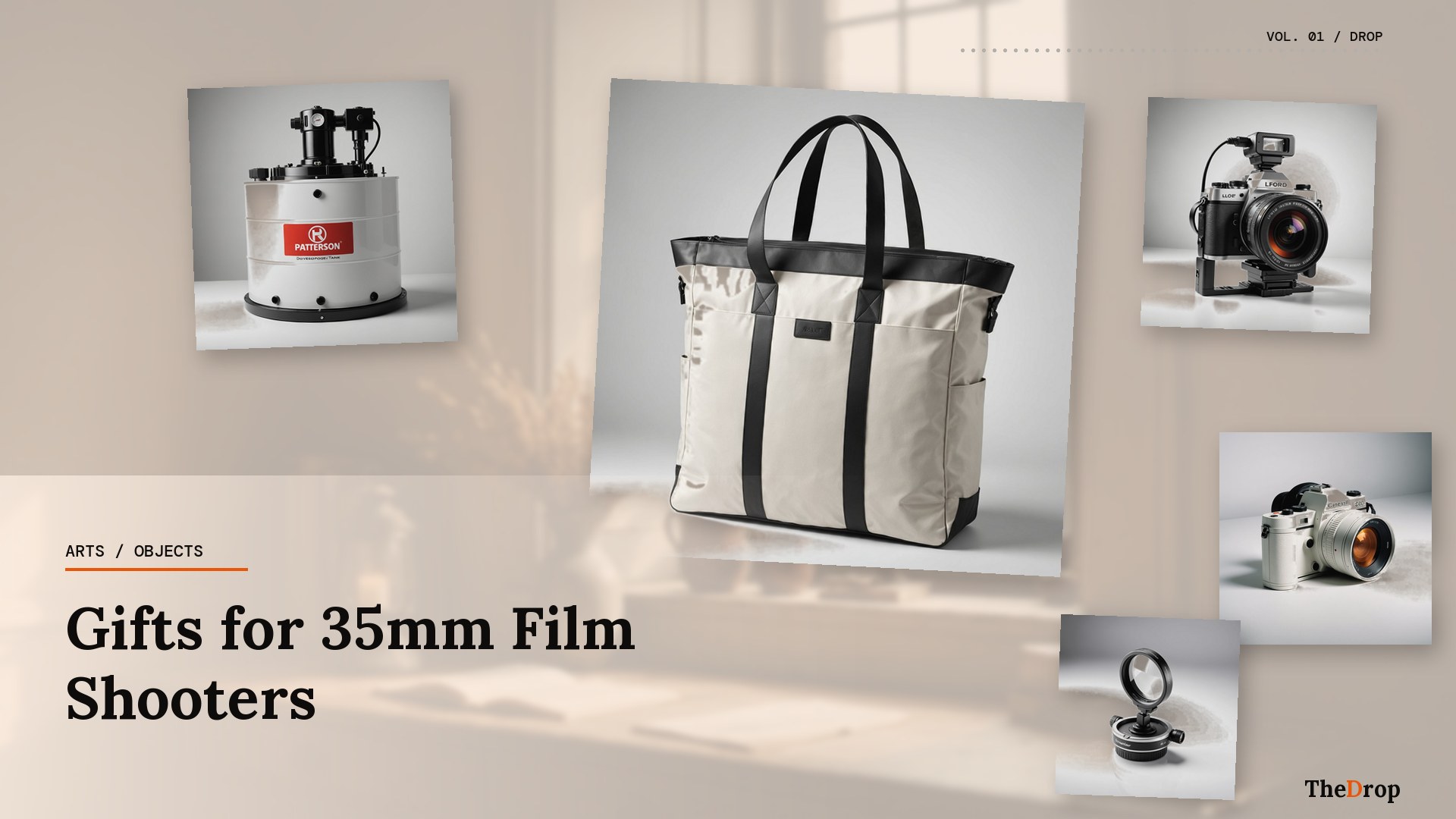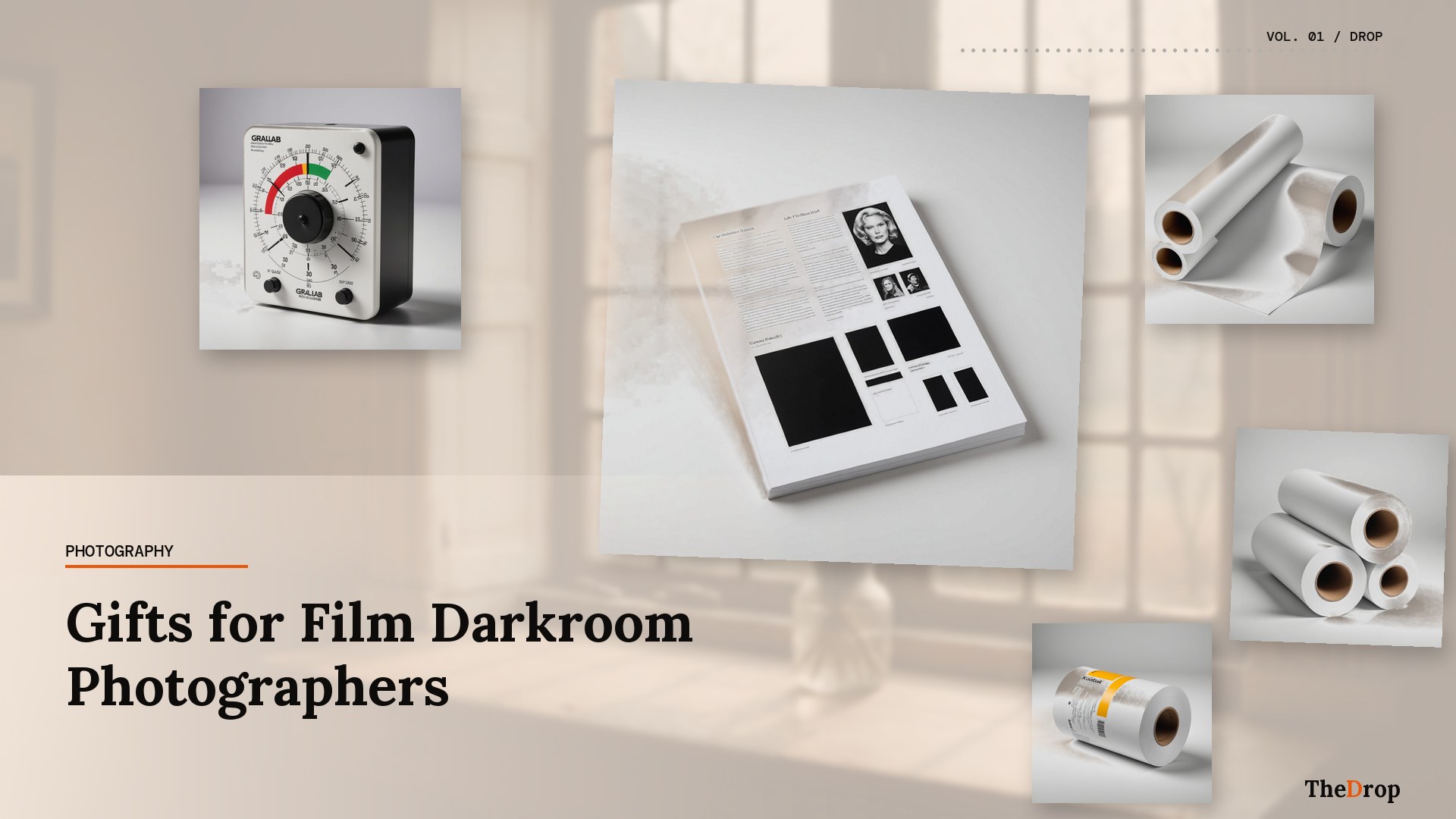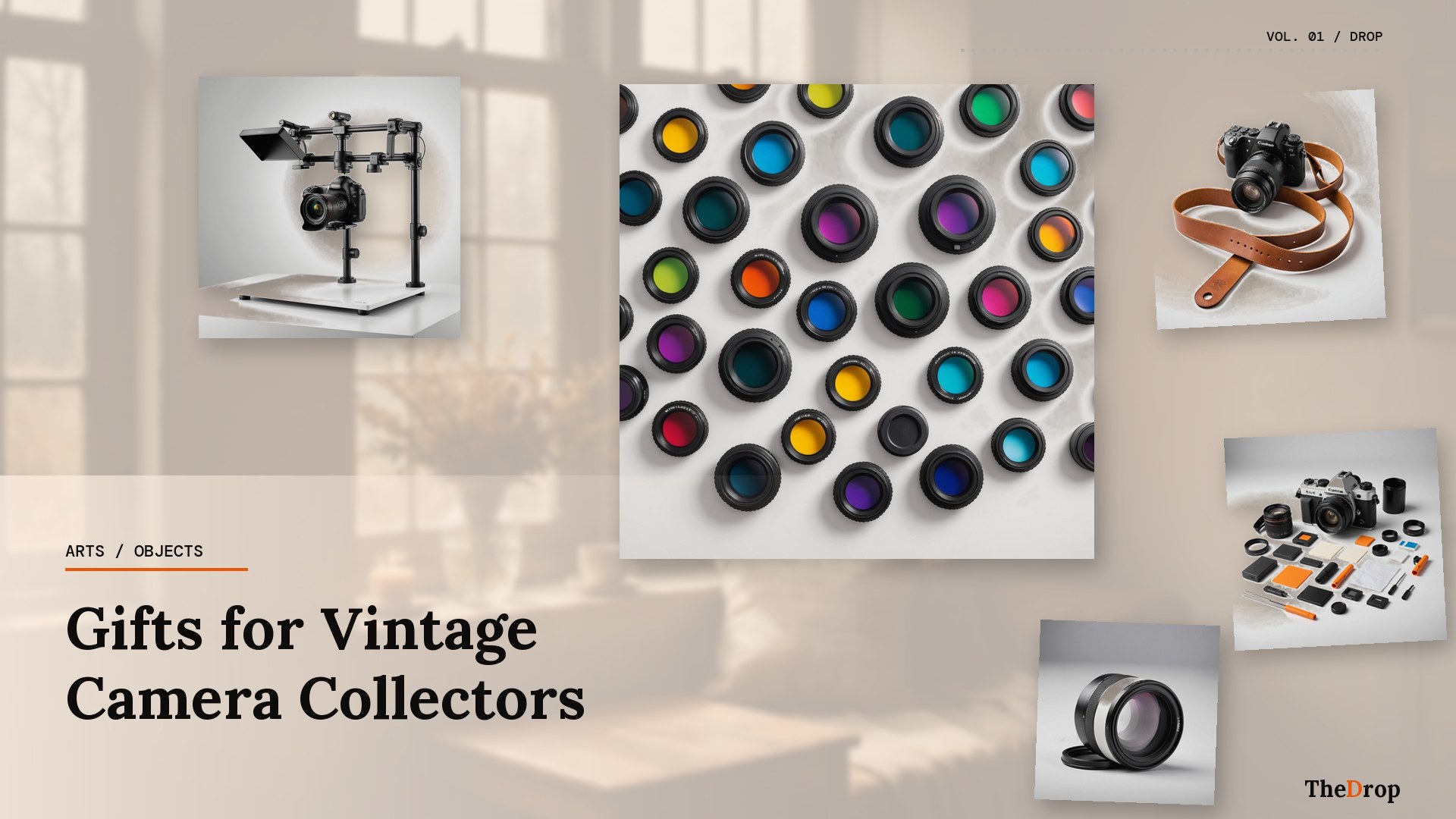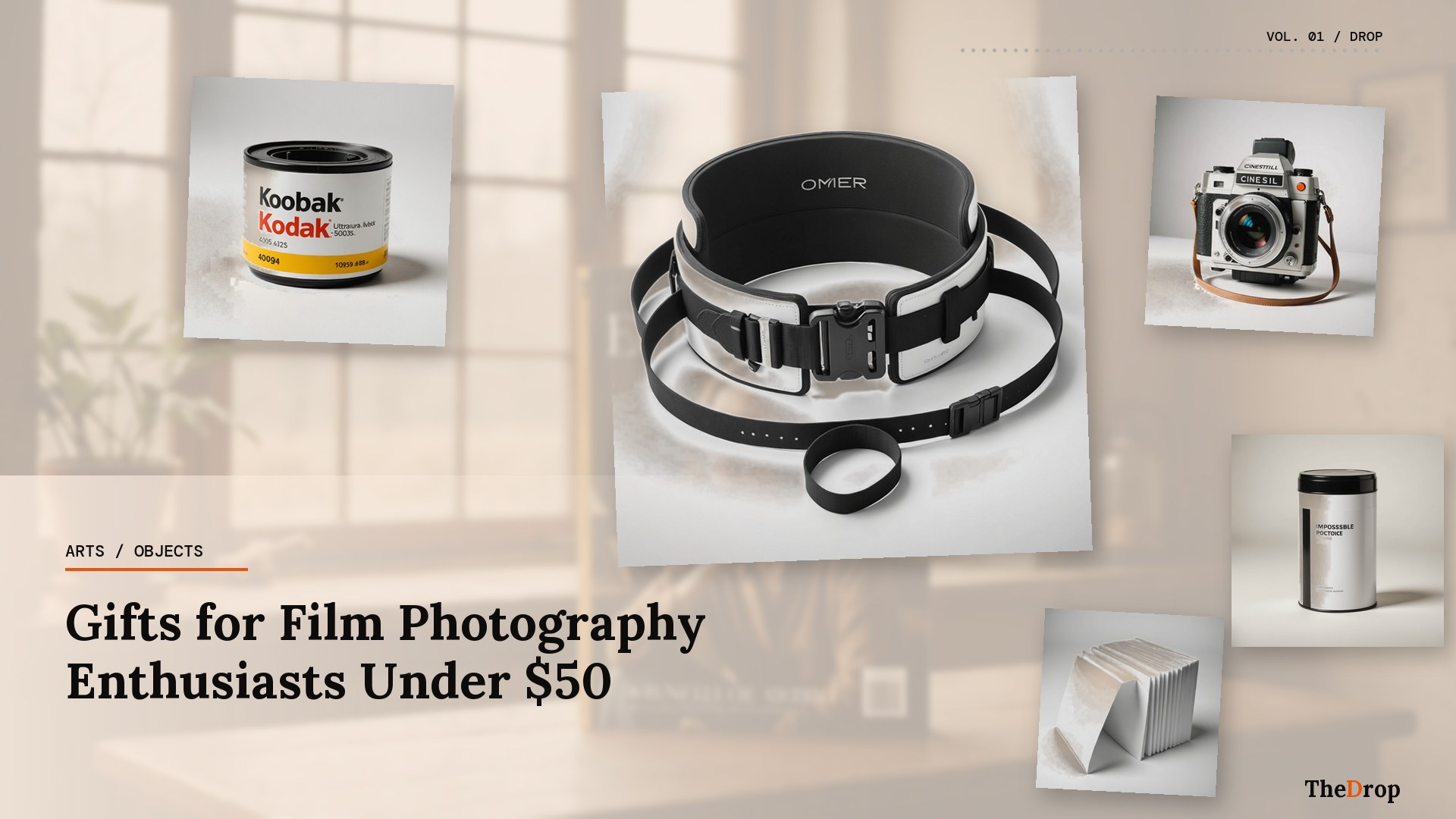
Gifts for Film Photography Enthusiasts Under $50
Film photographers on a budget are not shopping for cameras — they are feeding the ecosystem: film stocks they have not tried, accessories that make shooting feel more considered, and resources for developing their eye before they develop their film. The $50 sweet spot is exactly where consumables live, and consumables are always welcome.
Kodak Ultramax 400 35mm Film (5-pack)
Kodak Ultramax 400 is the everyday color negative film that analog communities recommend as a workhorse — good latitude, warm-leaning skin tones, and consistent results across a wide range of natural and artificial light. A five-pack means the photographer is set through the next two months of regular shooting.
“The one reliable rule of gift-giving: anything that makes them look more serious at what they love will be received with disproportionate gratitude.”
Cinestill 800T 35mm Film (3-pack)
Cinestill 800T is the tungsten-balanced film that creates the halation effect — those glowing halos around artificial light sources — that film photographers chase for nighttime urban work. A curated gift of a specific film type signals that the giver understands analog photography as a craft, not just a medium.
Gordy's Camera Straps Hand Strap (Leather and Para-cord)
Gordy's hand straps are the recommendation that film communities make when someone asks what to put on a Yashica, Olympus OM, or similar compact film body — simple, well-made, and cut from American leather. The gift that makes a film camera feel like a possession instead of equipment.
Impossible Project Film Canister Storage Box
Proper dark-storage canisters for film rolls waiting to be developed — a labeled, light-proof canister system that protects exposed film from the light fogging that happens when you leave a roll on a counter for three weeks. The organizational gift that prevents that one roll of vacation film from being ruined.
Negative Stamp Film Photography Log Book
A structured journal for logging which film, camera, lens, light conditions, and development process went with each roll — the record-keeping habit that turns a film photographer's third year into a coherent body of work instead of an unmarked archive of envelopes.
Calumet Archival Negative Storage Pages (25-pack, 35mm)
Archival-quality polypropylene negative sleeves for 35mm film strips — acid-free, anti-static, and punched for three-ring binder filing. The organization step that every film photographer delays until they have three hundred loose negatives and no idea which roll is which.
"Film Is Not Dead" by Jonathan Canlas
Part reference, part manifesto from a wedding photographer who built a business exclusively on film during the digital era — covers shooting technique, film selection, and the practical case for analog in a digital world. The book that film photographers recommend to everyone who asks why they bother.
Fujifilm Instax Mini Monochrome Film (10 exposures)
The Instax Mini Monochrome film turns the little point-and-shoot instant camera into something that rewards composition — black and white processing changes the relationship with the subject in a way the color version does not. For the film photographer who also owns an Instax Mini: a box of mono film is always welcome.
Fork it. Make it yours. Share before their birthday.
Friends claim items. No duplicates. No awkward conversations.