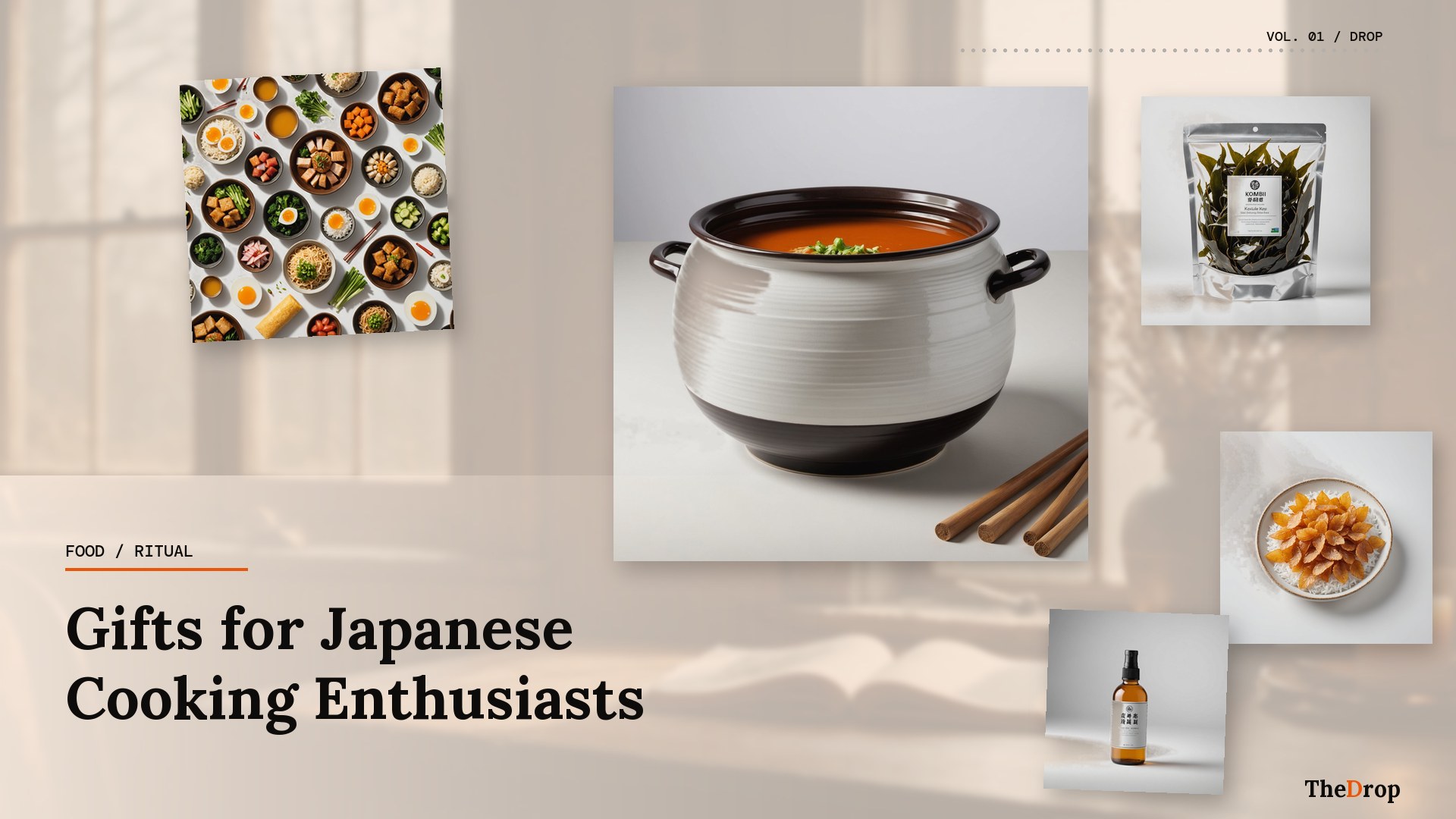
Gifts for Japanese Cooking Enthusiasts
Japanese cooking gift lists collapse into sushi kits, soy sauce bottles, and novelty chopsticks — which tells you nothing about how Japanese home cooking actually works. This drop focuses on the pantry depth and tools that serious Japanese home cooks actually want: proper dashi-making ingredients, a donabe clay pot for rice and nabemono, and the cookbook that treats the cuisine as a philosophy rather than a restaurant category.
Nagatanien Donabe Japanese Clay Pot 2.5L
The versatile vessel for clay-pot rice, shabu-shabu, oden, and nabemono. A donabe changes the texture and flavor of one-pot rice cooking in ways that a regular pot cannot replicate — the gift that unlocks the biggest category of Japanese home cooking.
“The one reliable rule of gift-giving: anything that makes them look more serious at what they love will be received with disproportionate gratitude.”
Japanese Farm Food by Nancy Singleton Hachisu
The cookbook that treats Japanese food as a farming philosophy rather than a restaurant category — seasonal, specific, and written by an American who lived in rural Japan for decades. The book that changes how the recipient thinks about the whole cuisine.
Kombu Dashi Kelp for Stock — Premium Grade
Real kombu for dashi-making — the seaweed that runs under almost everything in Japanese cooking. A quality kombu gift tells the recipient that the giver understands dashi as the foundation it is, not as an optional shortcut.
Yamaki Katsuo Bonito Flakes for Dashi
Katsuobushi — the bonito flakes that combine with kombu for the definitive Japanese stock. Quality matters here in a way that generic brands do not demonstrate. A good bag of bonito enables a month of proper dashi.
Otoshibuta Drop Lid Set — Stainless Steel
The drop-lid that sits directly on the surface of simmered dishes — it keeps heat and liquid in contact with every ingredient simultaneously, which is how Japanese simmered dishes achieve their texture. The specific tool that makes kabocha and daikon turn out correctly.
Mikawa Mirin — Authentic Hon Mirin
Real hon mirin, not mirin-style seasoning — the sweetness that comes with alcohol fermentation and gives Japanese glazes and sauces their specific depth. The upgrade ingredient that serious Japanese home cooks switch to and never go back from.
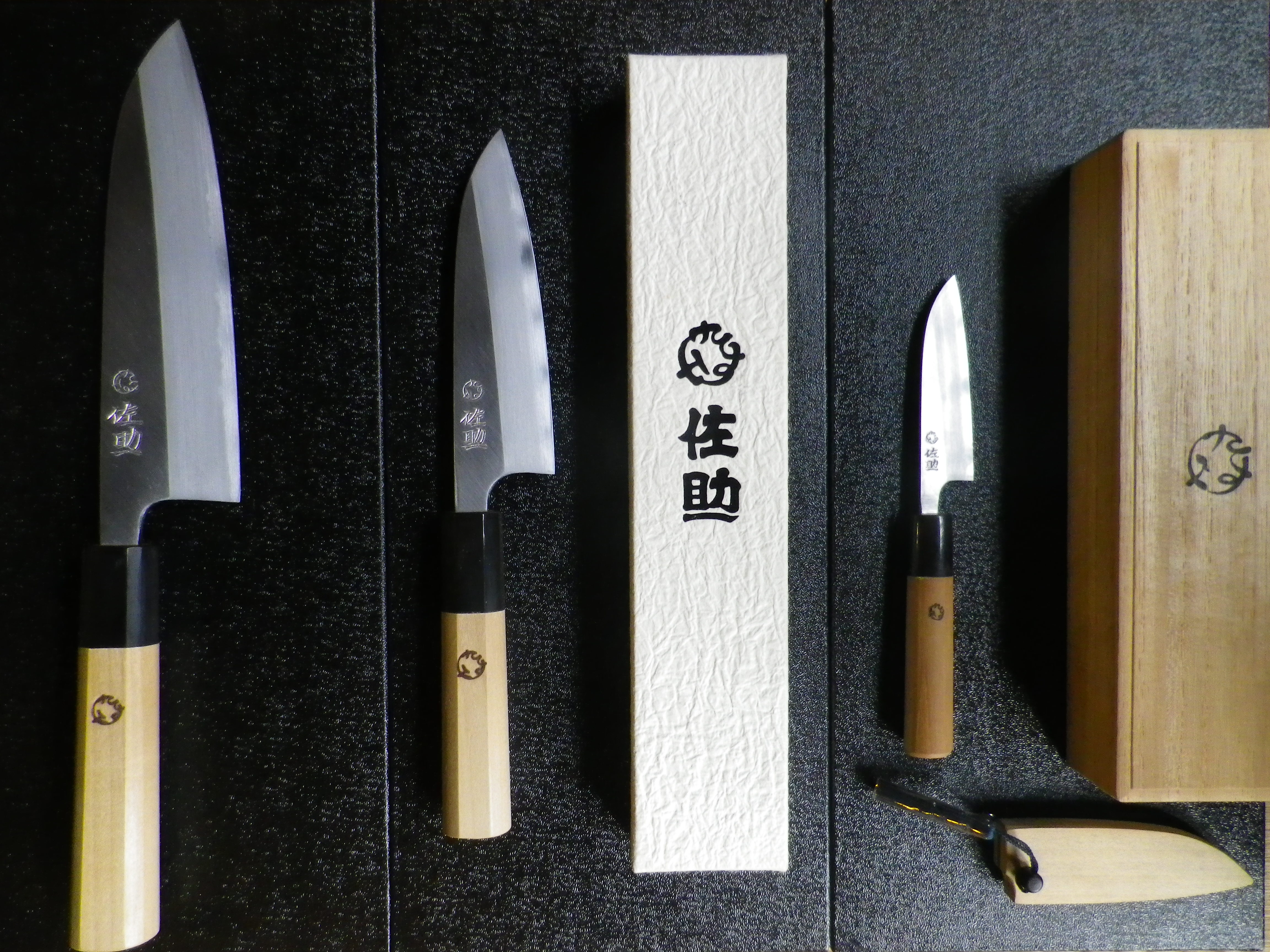
Global 8-inch Chef's Knife
Japanese steel, featherweight balance, and the precise edge that Japanese home cooking rewards. The knife that turns vegetable prep from a task into something worth doing carefully.
Salter Japanese Rice Washing Bowl
A proper rice-washing bowl with a built-in strainer — the specific tool that makes washing and draining Japanese short-grain rice the way it should be done. The detail that experienced Japanese home cooks have in their kitchen and everyone else notices.
Fork it. Make it yours. Share before their birthday.
Friends claim items. No duplicates. No awkward conversations.