Gifts for Linocut Printmakers
Most craft store carving tools make linocut harder, not easier — blunt edges that tear rather than cut, flimsy handles that slip mid-stroke. The printmakers who publish editions worth hanging on walls use Japanese-ground steel and oil-based inks that do not separate during a run. These gifts earn immediate recognition from anyone who has spent a Saturday pulling prints in a studio.
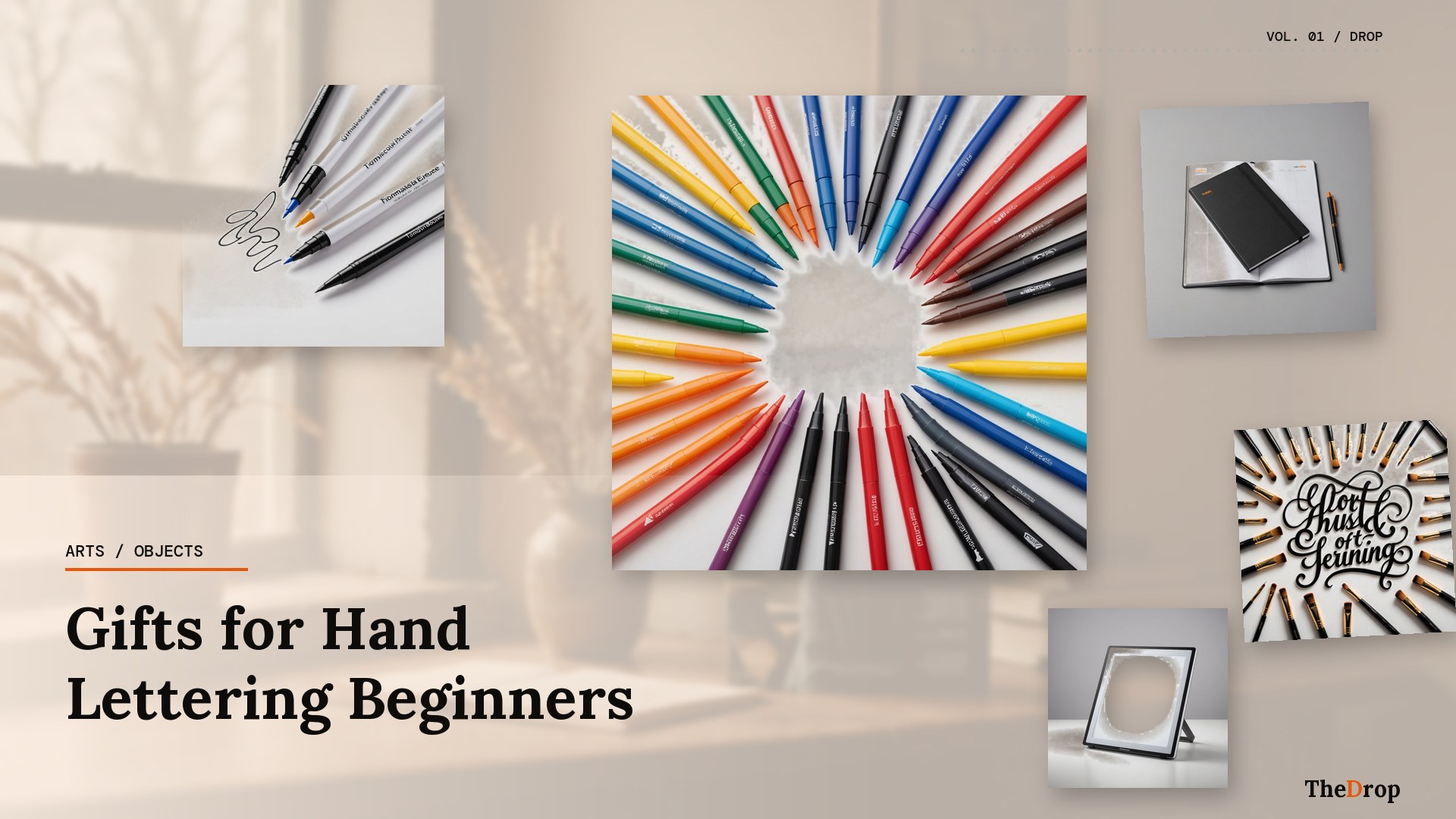
Flexcut Lino Tool Set — 5-Piece Ergonomic Carving Set
The American brand that the linocut community recommends universally — palm-grip ergonomic handles with high-carbon steel blades that hold an edge through a full edition. Interchangeable blades cover V-gouge, U-gouge, and detail work. The set that separates serious printmakers from casual crafters.
“The one reliable rule of gift-giving: anything that makes them look more serious at what they love will be received with disproportionate gratitude.”
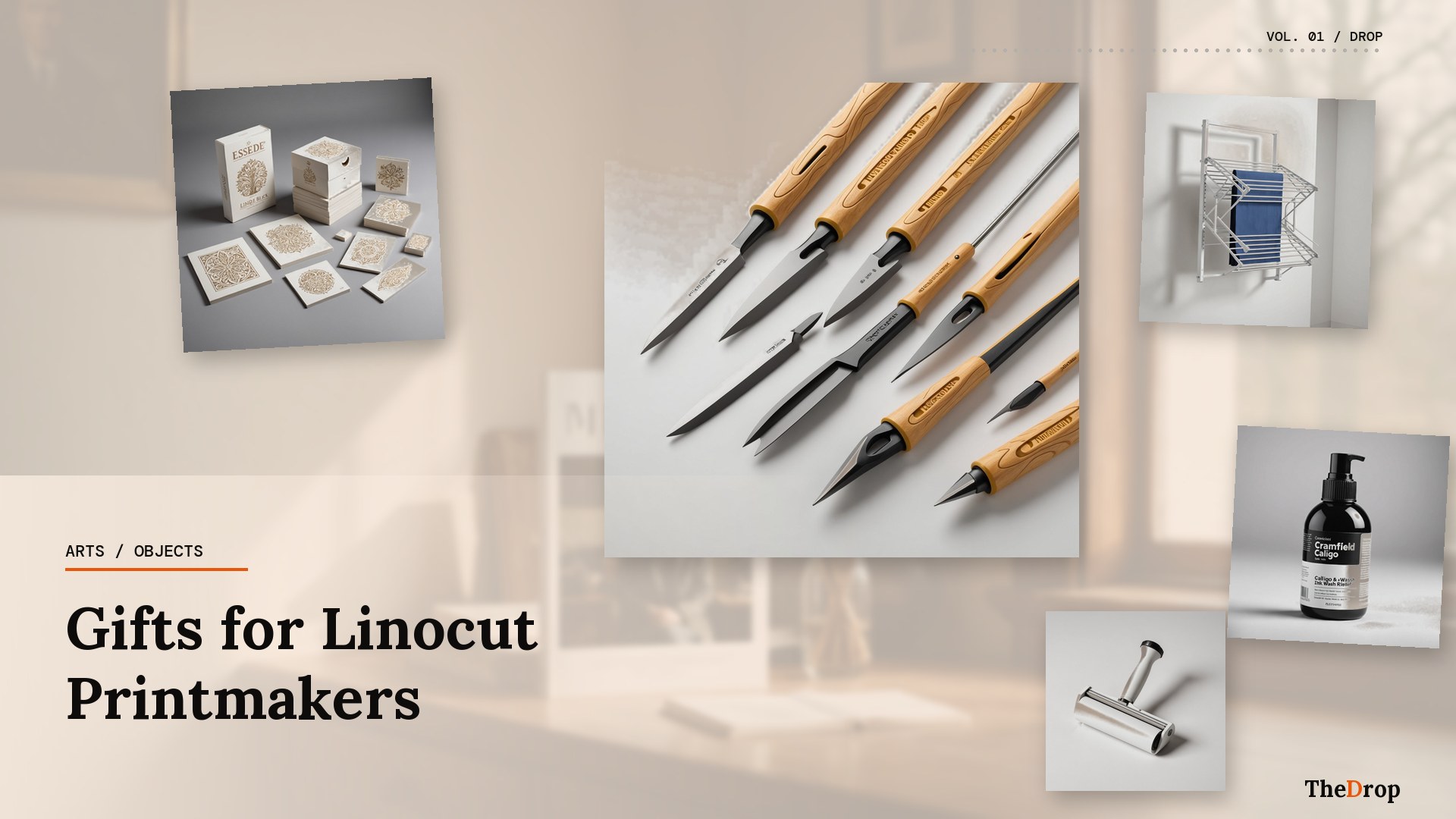
Cranfield Caligo Safe Wash Relief Ink — Black 75ml
Oil-based ink that stays workable across a full print run without skinning over — the formulation UK and US printmakers reach for when consistency matters. Washes out with water (unlike traditional oil ink), so the studio does not require solvents. The ink that makes a difference in print-to-print consistency.
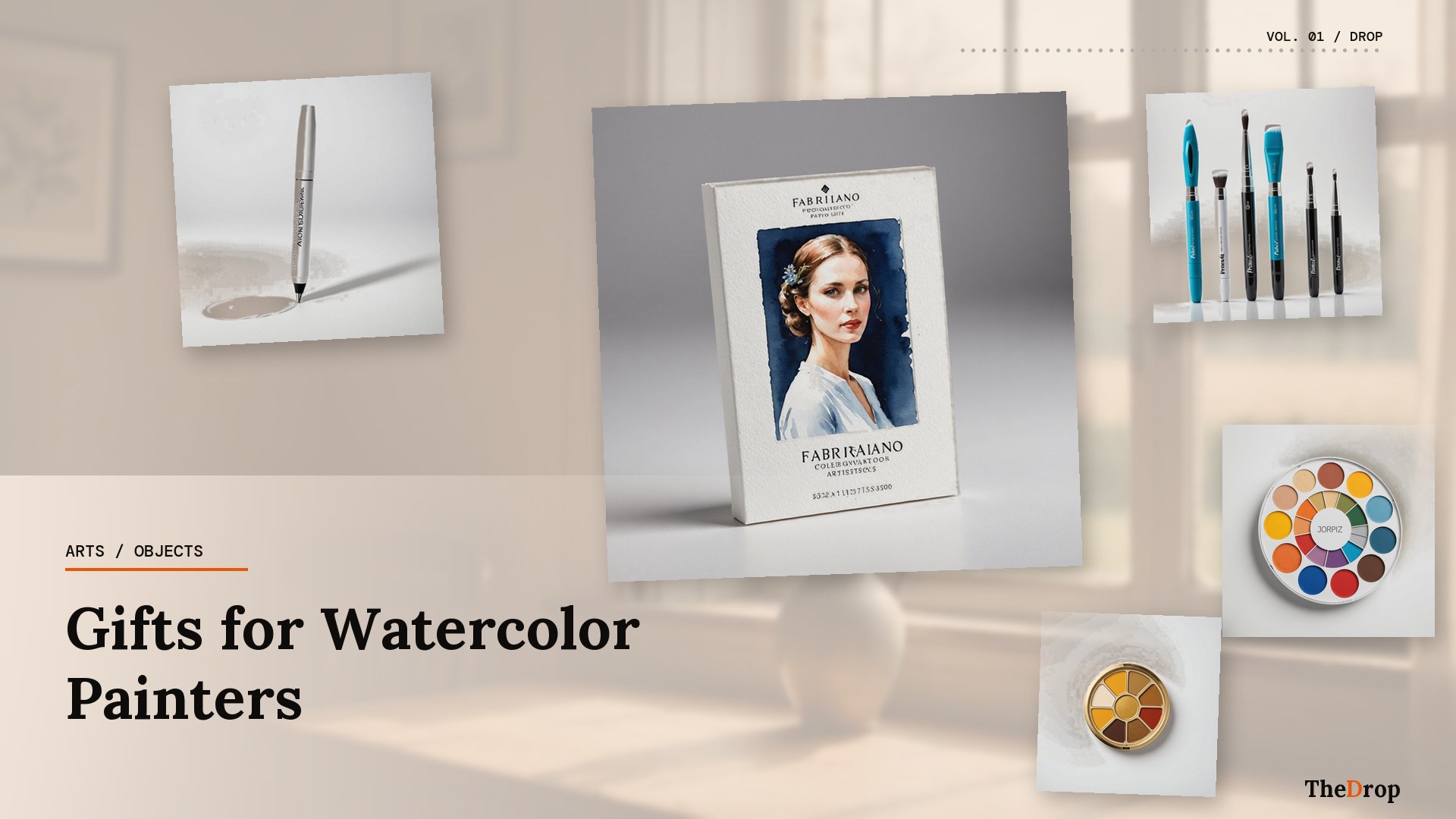
Essdee Softcut Lino Block Assortment — A4 and A5
Grey soft-cut blocks that carve cleanly without the resistance of battleship grey traditional lino — good for fine detail work and intricate designs. The block choice that printmakers keep in stock because it responds well to fine-point V-tools and Japanese chisels alike.
Speedball Lino Cutter Set — 9-Piece with Assorted Blades
A reliable entry-level set for anyone building out their blade library — the blades that work on softer Essdee blocks and cover the basic vocabulary of linocut mark-making. A useful backup when the Flexcut blades are in use.
Blick Art Materials Bench Hook and Registration Jig
A registration jig is the difference between a multicolor edition that aligns and one that looks like an accident. This bench hook holds the block stable during carving and provides consistent paper registration for pulling multiple passes in register. The tool that unlocks two-color and three-color linocut work.
Speedball Deluxe Soft Rubber Brayer — 4-Inch
A soft rubber brayer rolls ink onto the block evenly without depositing too much in the carved-out areas — the tool where cheap versions leave ridges and streaks. This is the one that printmakers reach for when ink coverage consistency actually matters.
Fabriano Rosaspina Printmaking Paper — 20 Sheets
The Italian cotton rag paper that takes block printing ink without bleeding and holds an impression with crisp edges — a step above standard newsprint or cartridge paper. The paper choice that elevates an edition from practice prints to work worth framing or selling.
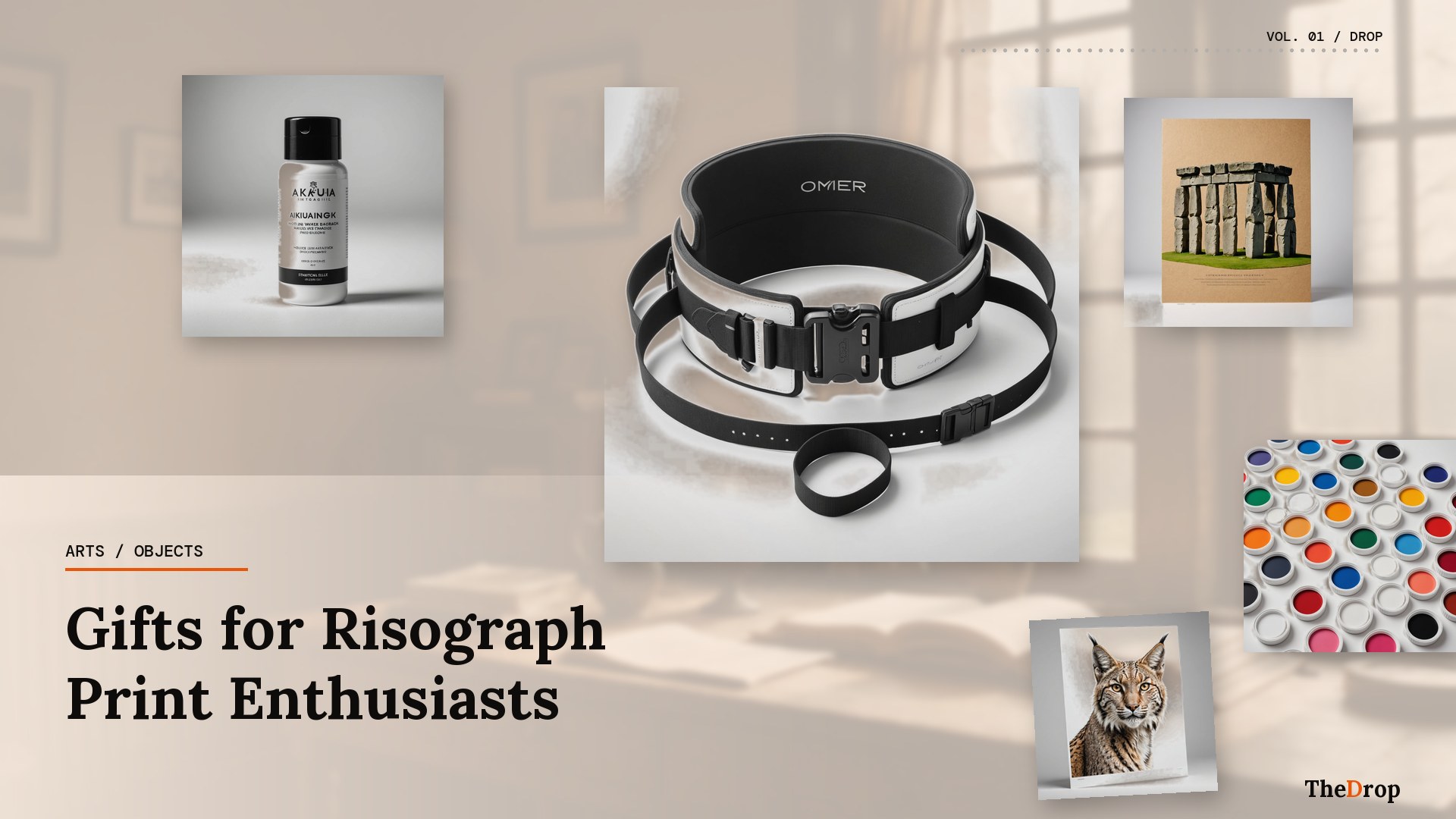
Print Drying Rack — Compact Portfolio Wall Mount
Fresh prints need to dry flat without sticking together — a print drying rack solves the problem of editions curling on a table edge or picking up dust while drying. Compact enough for a home studio, holds 10-15 fresh prints at once.
Fork it. Make it yours. Share before their birthday.
Friends claim items. No duplicates. No awkward conversations.