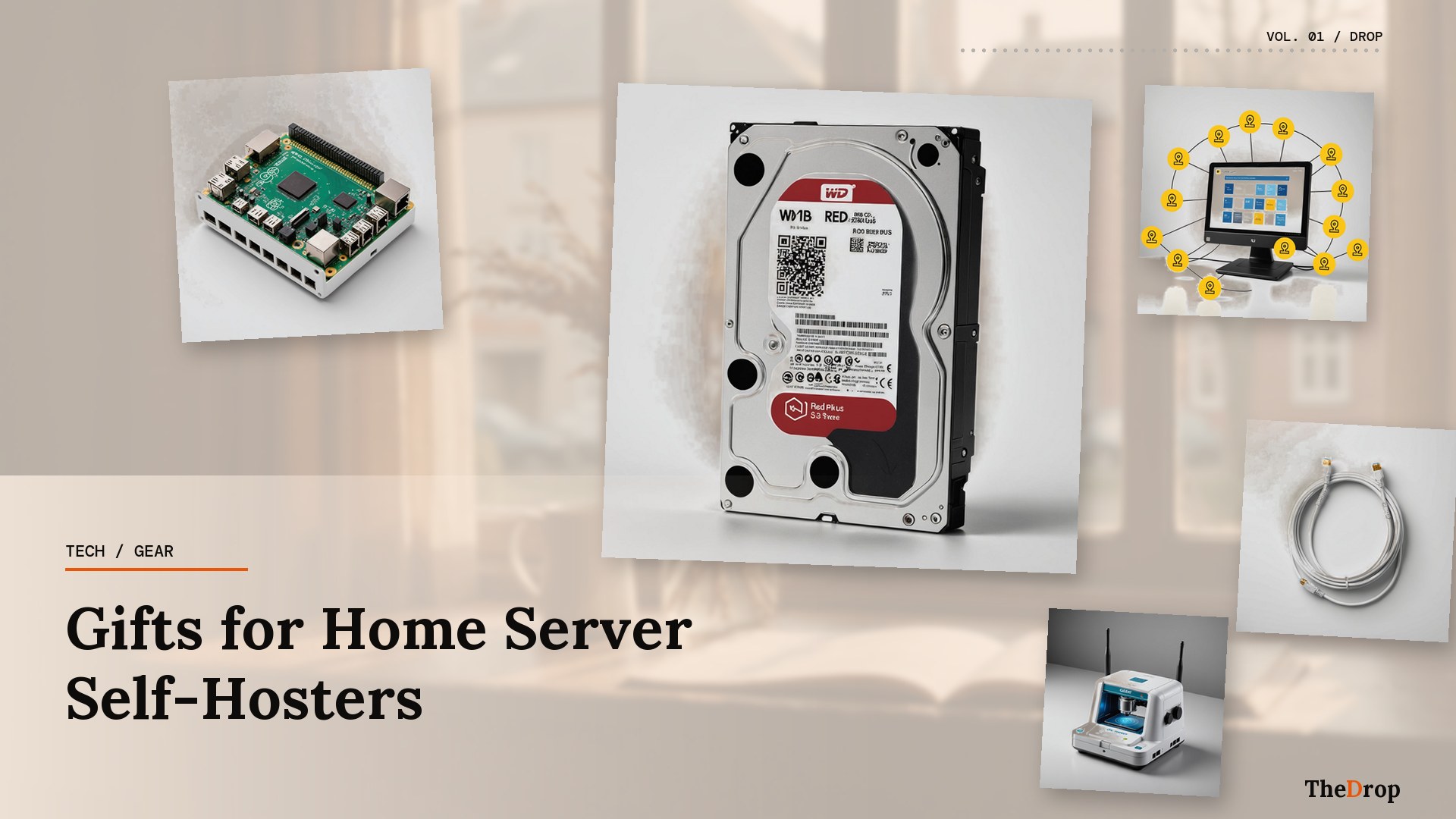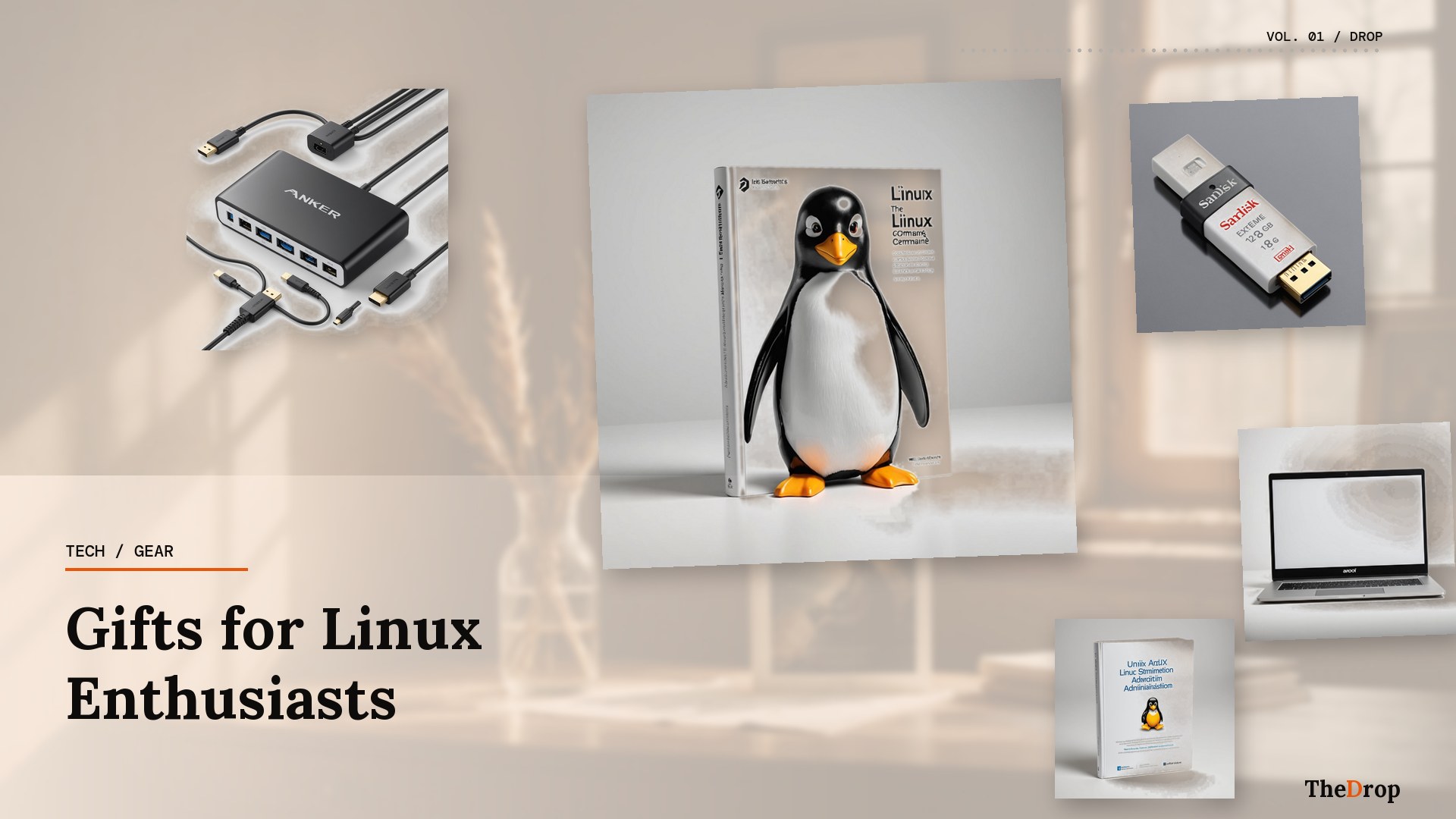
Gifts for Linux Enthusiasts
Linux users are a practical audience — they know exactly what they need, rarely ask for it, and quietly modify anything you give them. The gifts that work are the ones that respect the depth of engagement: a serious reference book, hardware that runs the OS correctly, or a tool that solves a problem the person has definitely already encountered. These eight picks are the community's trusted hardware and books, not Linux-branded novelty.
Raspberry Pi 5 — 4GB RAM, Official Kit with Power Supply
The Raspberry Pi 5 is the current generation of the board that the Linux community builds everything on — home servers, retro gaming rigs, network monitors, media centers, and experiments that don't have a category yet. The 4GB RAM version handles most workloads; the official kit with power supply means it arrives ready to run without hunting for a compatible charger.
“The one reliable rule of gift-giving: anything that makes them look more serious at what they love will be received with disproportionate gratitude.”
"The Linux Command Line" by William Shotts — 2nd Edition, No Starch Press
William Shotts' Linux Command Line is the definitive reference for command-line competence — covering bash, pipes, redirection, scripting, and process management in the clear, non-condescending tone that No Starch Press is known for. The second edition is current. For a Linux enthusiast who is still learning, or one who wants the book they've been recommending to others.
Anker 7-in-1 USB-C Hub — 4K HDMI, 100W PD, Linux-Compatible Chipset
USB-C docks are notoriously unreliable on Linux due to proprietary chipsets — the Anker 7-in-1 uses a chipset that works correctly with the Linux kernel without firmware patches or workarounds. Getting a dock that actually works with a Linux laptop is a genuine quality-of-life improvement that the Linux community knows is not guaranteed.
SanDisk Extreme 128GB USB-A Flash Drive — Linux Live Drive Compatible
A fast USB drive is the everyday tool for Linux users: live boot testing, OS installation, disk cloning, and rescue environments. The SanDisk Extreme's fast read speed (190MB/s) makes live distro booting from USB feel responsive rather than painful. The gift that immediately gets used.
Privacy Screen Filter — 14-Inch Laptop, 16:9, Anti-Glare
Privacy screens are standard equipment for anyone working in public who understands what visible screens cost — the security-minded Linux user understands this better than most. A 14-inch 16:9 filter fits the most common laptop formats and blocks side viewing angles without reducing straight-on clarity significantly.
"Unix and Linux System Administration Handbook" — 5th Edition, Nemeth et al.
The system administration reference that covers production Linux environments — networking, storage, security, and automation at the depth that the command line book intentionally skips. The fifth edition is current enough to cover systemd properly. For the Linux user who has moved from curious to serious about running systems correctly.
Framework Laptop Screwdriver Kit — T5 Torx, Phillips, Framework-Official
Framework laptops have become the Linux community's preferred hardware platform for their modularity and open-source BIOS support. The official Framework screwdriver handles the T5 Torx screws used throughout the chassis — the gift that says the giver knew what laptop the recipient uses.
USB Rubber Ducky — Keystroke Injection Programmable USB Device
The Rubber Ducky is a programmable USB HID device that appears to a computer as a keyboard and executes scripted keystroke sequences — used for pen testing, automation, and the kind of experiments that Linux enthusiasts run when they're curious about how input devices work at a low level. Hak5's flagship tool, with a dedicated scripting community.
Fork it. Make it yours. Share before their birthday.
Friends claim items. No duplicates. No awkward conversations.