Gifts for Home Server Self-Hosters
Self-hosters are skeptical of anything that requires an account or a subscription — they replaced Dropbox with Nextcloud, Netflix with Jellyfin, and Google Photos with their own network-attached storage. The gifts that earn trust here are the infrastructure pieces they keep deferring: a proper UPS to protect against power events, the NAS drive upgrade they know they need, or the book that explains what they are doing at the system level rather than just through a GUI.
APC BE425M Back-UPS 425VA — Battery Backup and Surge Protector
The single piece of infrastructure every self-hoster knows they need and keeps not buying — a UPS protects a NAS from data corruption during power events and provides enough runtime to cleanly shut down in an outage. The APC BE425M is the specific model that r/selfhosted recommends for a home server that does not need to run through a long outage, just survive a stumble.
“The one reliable rule of gift-giving: anything that makes them look more serious at what they love will be received with disproportionate gratitude.”
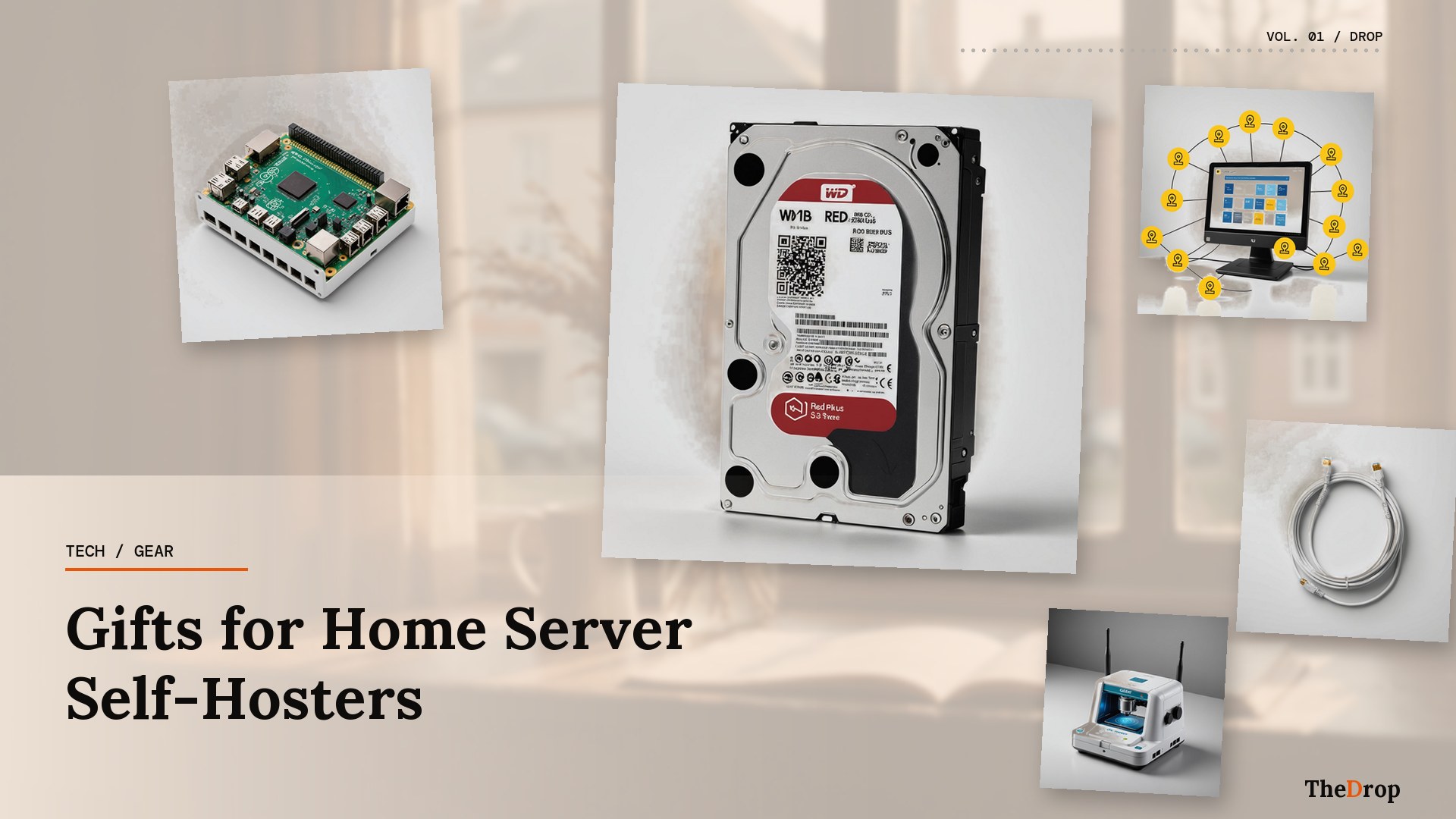
WD Red Plus NAS Hard Drive — 2TB
NAS-rated drives with error recovery settings tuned for RAID arrays — the upgrade that self-hosters choose over desktop drives because WD Red Plus tolerates the 24/7 spin-up cycles and vibration environment of a multi-drive enclosure. A drive upgrade they have been meaning to make since their RAID array was built.
Argon ONE M.2 Raspberry Pi 4 Case with M.2 SATA Support
A precision-machined aluminum Pi 4 case with active fan cooling and an M.2 SATA slot for booting from SSD — the upgrade that turns a Raspberry Pi into a low-power home server with real storage performance. Self-hosters running Pi-hole, Home Assistant, or a lightweight media server reference this case when they want both cooling and expandability.
Networking All-in-One For Dummies by Doug Lowe
The reference that explains subnetting, VLANs, DNS, and firewall configuration in plain terms — the book that self-hosters buy when they realize their setup works but they do not fully understand why. Covers both the concepts behind what their homelab does and the practical commands for managing it.
Cat8 Ethernet Cable — 6ft, Flat, 40Gbps
A high-quality short ethernet run for connecting a NAS or mini-server directly to a switch — the cable upgrade from whatever came in the box. Cat8 on a home LAN is overkill in a good way: future-proof, low latency, and the kind of small detail that a self-hoster with a tidy homelab appreciates.
GL.iNet GL-MT3000 Beryl AX Pocket Router
A travel-sized router with OpenWrt pre-installed, WireGuard VPN server support, and AdGuard integration — the device that self-hosters use to extend their home network configuration to hotel rooms and remote locations. Lets them tunnel back to their home server securely without a commercial VPN subscription.
Sabrent USB 3.2 Type-C Hub — 7-Port with Power Delivery
A powered USB hub that expands a mini-server or NAS enclosure's USB ports for external drives, backup devices, and USB capture cards — the infrastructure addition that self-hosters need when their device is short on ports and their backup strategy involves rotating external drives.
Brother P-Touch Label Maker — PT-D210
Self-hosters with tidy homelab setups label every cable run, drive bay, and patch panel port — the label maker that brings order to a rack or shelf that would otherwise require a mental map to navigate. Unglamorous and immediately useful, which is precisely the kind of gift that lands in a self-hoster's setup permanently.
Fork it. Make it yours. Share before their birthday.
Friends claim items. No duplicates. No awkward conversations.