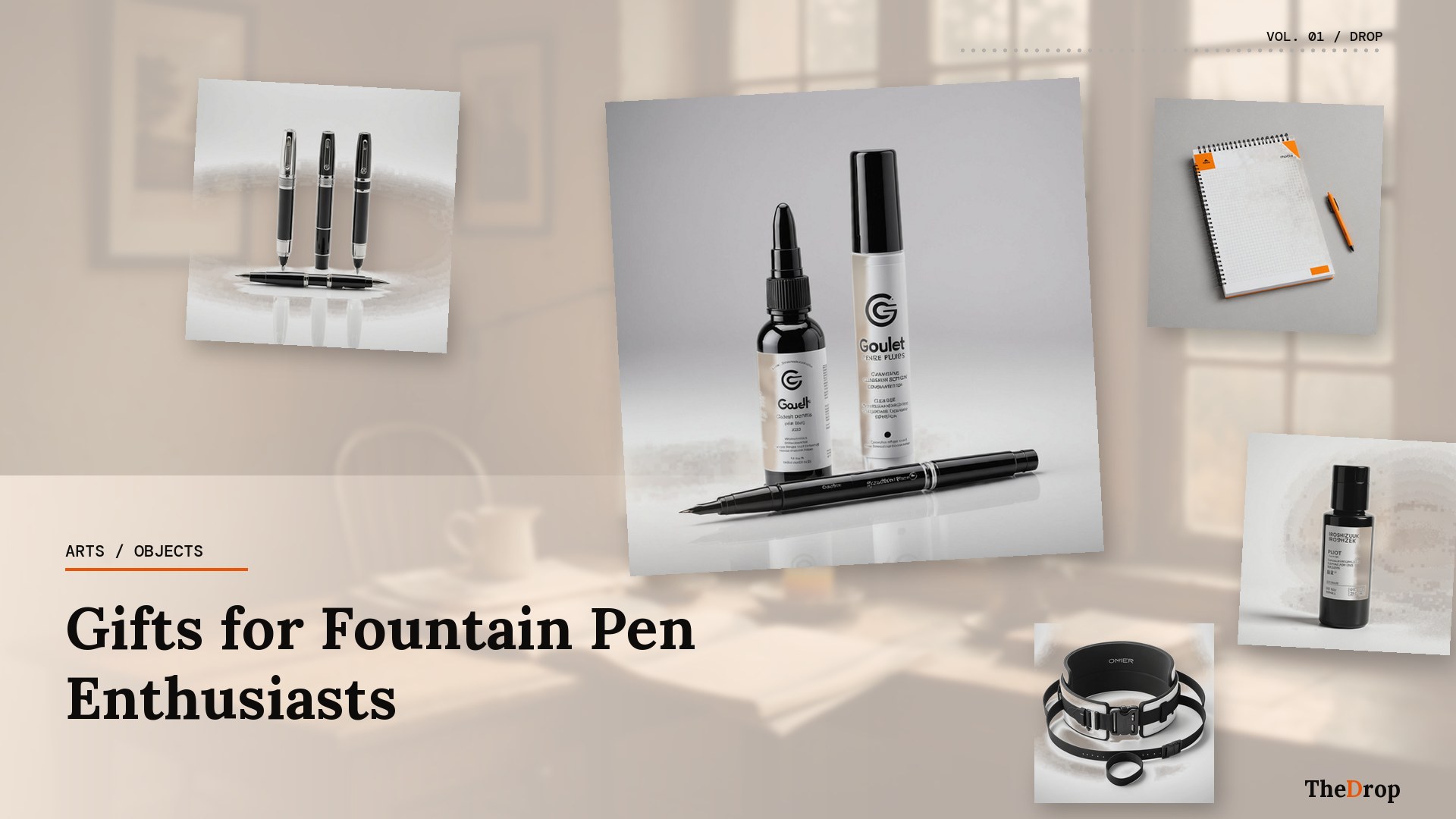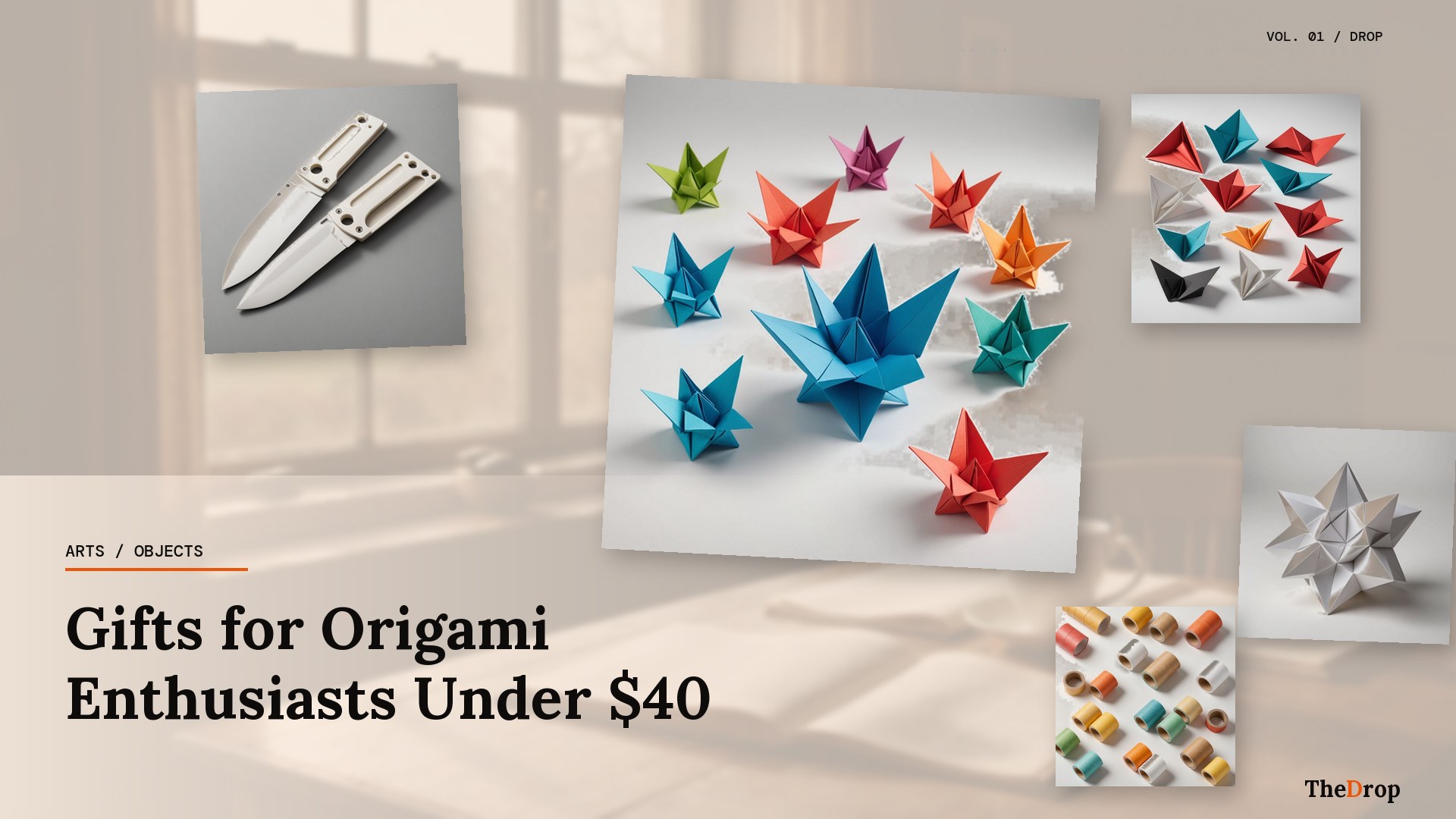
Gifts for Origami Enthusiasts Under $40
Gifting origami fails when it stops at a pack of colored squares and a book of cranes. The person who has made a thousand cranes wants the Japanese washi that folds without cracking at tight angles, the diagram book by Robert Lang or Eric Joisel that took them a month to finish one model from, or the folding tool that makes wet-fold bases hold their shape while drying. Material and technique, not novelty.
Washi Paper Assortment Pack (50 sheets, 15cm, Japanese patterns)
Japanese washi paper is thinner and more consistent than kami origami paper — it holds a crisp fold without the fiber separation that cheap paper develops at tight angles. The pattern variety in a 50-sheet pack means the advanced folder can choose paper that complements the form, not just the size.
“The one reliable rule of gift-giving: anything that makes them look more serious at what they love will be received with disproportionate gratitude.”
"Origami Design Secrets" by Robert J. Lang (2nd Edition)
Robert Lang's canonical text on origami design treats paper folding as applied mathematics — crease patterns, tree theory, and computational design methods. The book that competitive origami folders treat as a primary reference. A gift that says the giver knows this community beyond crane-folding.
Teflon Bone Folder (6-inch)
A Teflon bone folder scores folds more cleanly than fingernails and does not leave burnish marks on washi or metallic paper — the tool that advanced origami folders use for pre-creasing complex bases before folding. Teflon does not catch on paper texture the way traditional bone does.
"Folding Techniques for Designers" by Paul Jackson
Paul Jackson's geometry reference crosses origami with architecture and industrial design — pleat folds, curved creases, and structural applications that advanced folders use as inspiration for original work. More useful than a diagram book for the person who has moved from following patterns to designing them.
Washi Tape for Wet-Folding (Dampening Tool Kit)
Wet-folding requires dampening thick washi paper to allow curved surfaces to hold their shape while drying — a small spray mister with fine mist output is the tool that wet-folder communities recommend over cotton swabs or sponges for controlling the amount of moisture without oversaturating.
"Geometric Origami" by Faye Goldman
Goldman's book covers modular and geometric origami — polyhedra, antiprisms, and complex assemblies from identical units. The mathematically-minded paper folder who has exhausted crane-style models will find this bridges directly to the structural forms that make origami interesting as geometry.
Haiku Japan Origami Paper Premium (100 sheets, 25cm, assorted)
The 25cm size opens up complex bases that are impossible at standard 15cm — models with 30+ steps lose precision as the paper shrinks, and a larger square means more room to work with tightly sequenced reference points. Premium kami with consistent color through the sheet, not just surface-printed.
LED Light Tracing Pad A4 (Ultra-Thin)
An LED tracing pad allows the origami folder to see complex crease patterns through the paper during wet-fold work — the technique of pre-creasing mountain and valley folds from a crease pattern diagram requires seeing through two layers of paper at once. At $22, it is the tool that advanced folders find immediately useful.
Fork it. Make it yours. Share before their birthday.
Friends claim items. No duplicates. No awkward conversations.