Gifts for Tea Ceremony Practitioners
Tea ceremony practitioners are not people who drink matcha lattes. They study chado — the Way of Tea — with a precision about movement, temperature, and bowl selection that most people reserve for much louder activities. The gift category is all matcha powder and bamboo spoons; what practitioners actually want is ceremonial-grade tools chosen with some understanding of what they do and why it matters.
Ippodo Tea Ummon Ceremonial Matcha (40g, Kyoto, USDA Organic)
Ippodo has been supplying ceremonial matcha from Kyoto since 1717. Ummon-grade is their everyday ceremonial offering — bright green, fine-milled, with the vegetal sweetness and minimal bitterness that defines properly shade-grown matcha. Not a powder that photographs well and tastes thin. The reference matcha that chado students and teachers consistently cite as honest.
“The one reliable rule of gift-giving: anything that makes them look more serious at what they love will be received with disproportionate gratitude.”
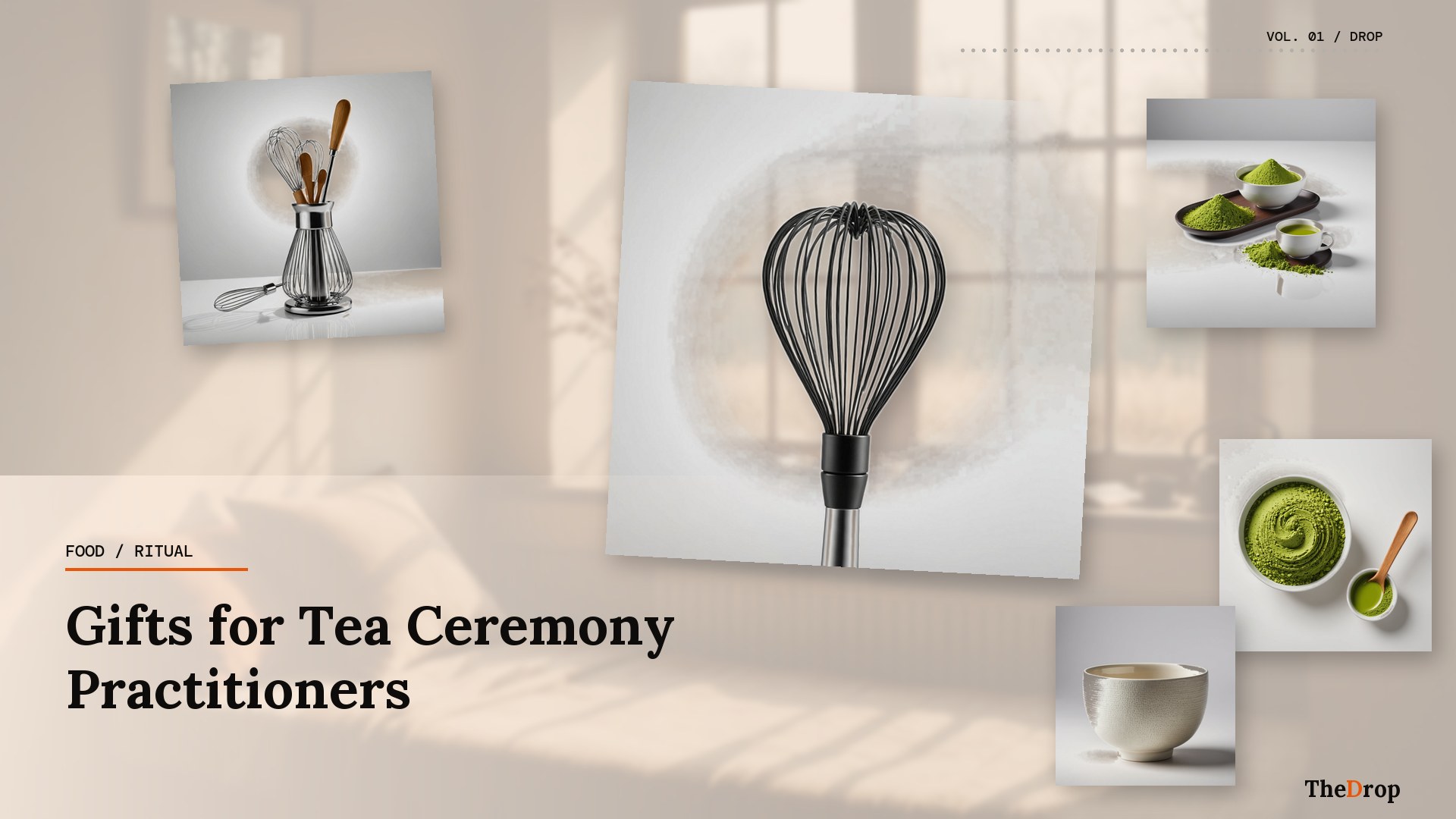
Uno Sosuke Chasen Whisk (80-Prong Takayama, Handcrafted)
An 80-prong handcrafted chasen from Takayama, the region that produces 90% of Japan's chasen for professional ceremony use. More prongs create a finer foam with less wrist effort — the difference between ceremonial foam and a rough froth is the tool. This whisk handles like a proper ceremony instrument rather than a kitchen gadget. Replace yearly; practitioners know chasen are consumables.
Matcha Source Usucha Chashaku (Handcarved Bamboo Scoop, 2-Pack)
A handcarved bamboo chashaku — the tea scoop that measures the correct 1.5-2 scoops of matcha per bowl for usucha preparation. The curve and depth of a proper chashaku are not decorative; they determine the measurement and the release of powder into the bowl. A two-pack is practical because chashaku get used until they splinter.
Zen Minded Japanese Chawan Bowl (Stoneware, Hagiyaki Style)
A Hagi-style stoneware chawan with the rough exterior and wide interior that Urasenke tea school aesthetics favor for winter ceremony. The shape holds heat well and the rim width suits thick tea (koicha) preparation. For a practitioner with their first chawan, this is a proper starting bowl — for an intermediate student, a specific seasonal addition.
Matcha Chakin Cloth (White Linen Wiping Cloth, Set of 5)
White linen chakin cloths for wiping the chawan during ceremony — the specific cloth that protocol requires for its absorption and drape. Not a kitchen towel. Not a bar cloth. The chakin has a specific folding and wiping sequence in both Urasenke and Omotesenke ceremony, and the right cloth makes the motion clean. A set of five is the practical quantity for regular practice.
The Book of Tea by Kakuzo Okakura (Annotated Edition, Tuttle Classics)
The foundational text that tea ceremony students read early and return to often — Okakura's meditation on teaism as philosophy, aesthetics, and way of life. The Tuttle annotated edition adds context that the 1906 original assumes the reader already has. For a practitioner who has been doing the physical practice without going deep into the philosophical framework.
Maiko Matcha Natsume Tea Caddy (Lacquered, Traditional Design, Small)
A lacquered natsume — the small tea caddy that holds the usucha powder during ceremony. The natsume sits on the tatami beside the chawan and is handled as part of the ceremony's sequence; its visual quality is part of the experience. A lacquered natsume is the upgrade from a plastic storage container that practitioners make when they take their practice seriously.
Whisk Holder Chasen Tate (Porcelain, 80-Prong and 100-Prong Compatible)
A porcelain chasen holder shaped to dry the whisk in its correct curved form after rinsing — the maintenance tool that extends chasen life significantly. A chasen dried flat loses its curvature and performs poorly within weeks. Practitioners who dry their chasen on a holder consistently report much longer whisk life. A $15 tool that pays for itself in saved whisks.
Fork it. Make it yours. Share before their birthday.
Friends claim items. No duplicates. No awkward conversations.