Gifts for Beginner Candle Makers
They bought their first soy wax kit, made three candles that smelled like ambition, and are now down a research rabbit hole on fragrance load percentages and wick sizing charts — the hobby has claimed another one.

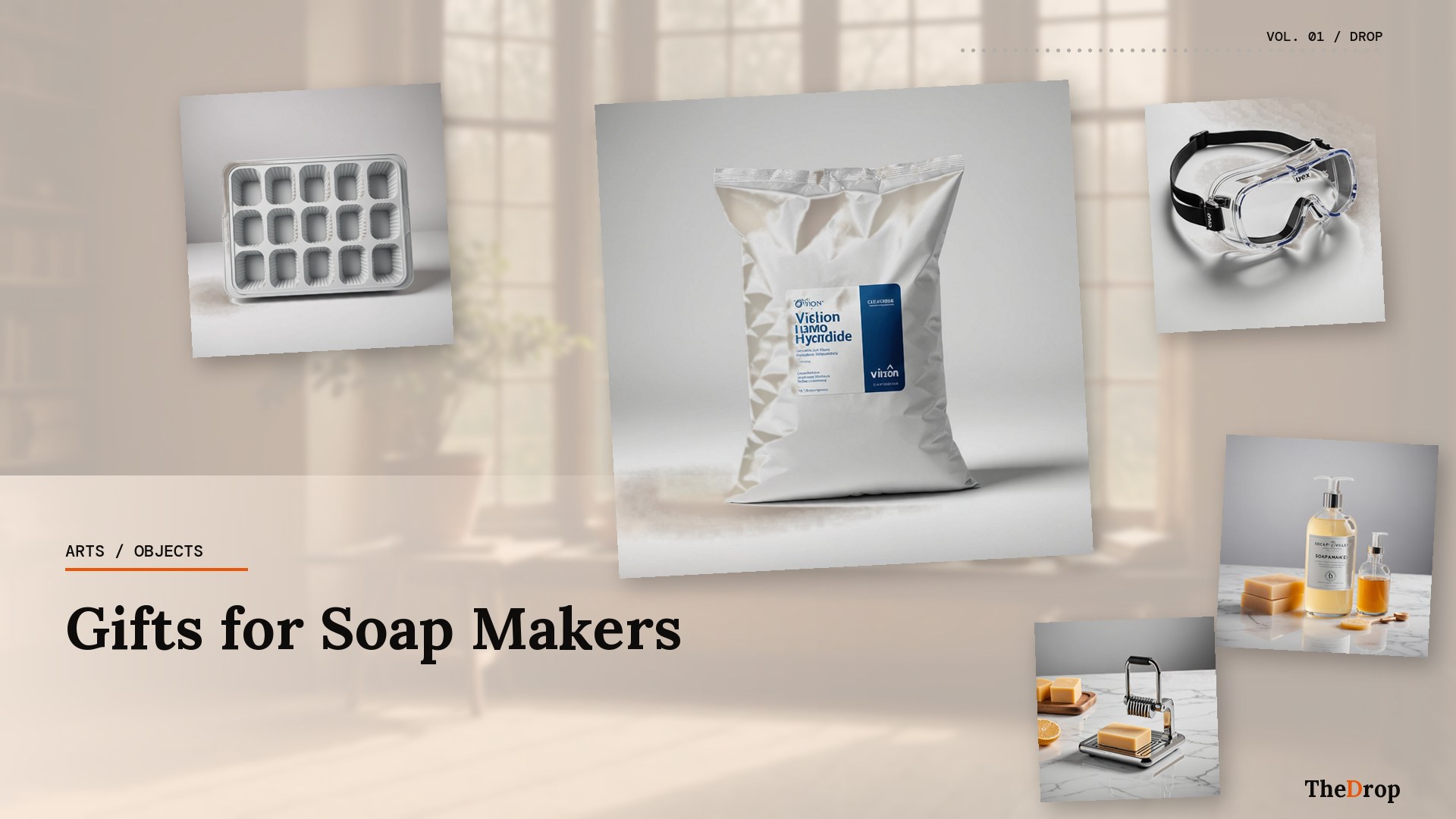
CandleScience Natural Soy Wax (10 lbs)
CandleScience's 464 soy wax is the community benchmark for container candles — consistent melt point, good fragrance throw, and reliable surface adhesion that prevents the wet spots and sinkholes that make beginners think they are doing something wrong. The 10-lb bag is the right jump from starter kit quantities: enough to experiment with fragrance loads without the expense of a full case.
“The one reliable rule of gift-giving: anything that makes them look more serious at what they love will be received with disproportionate gratitude.”
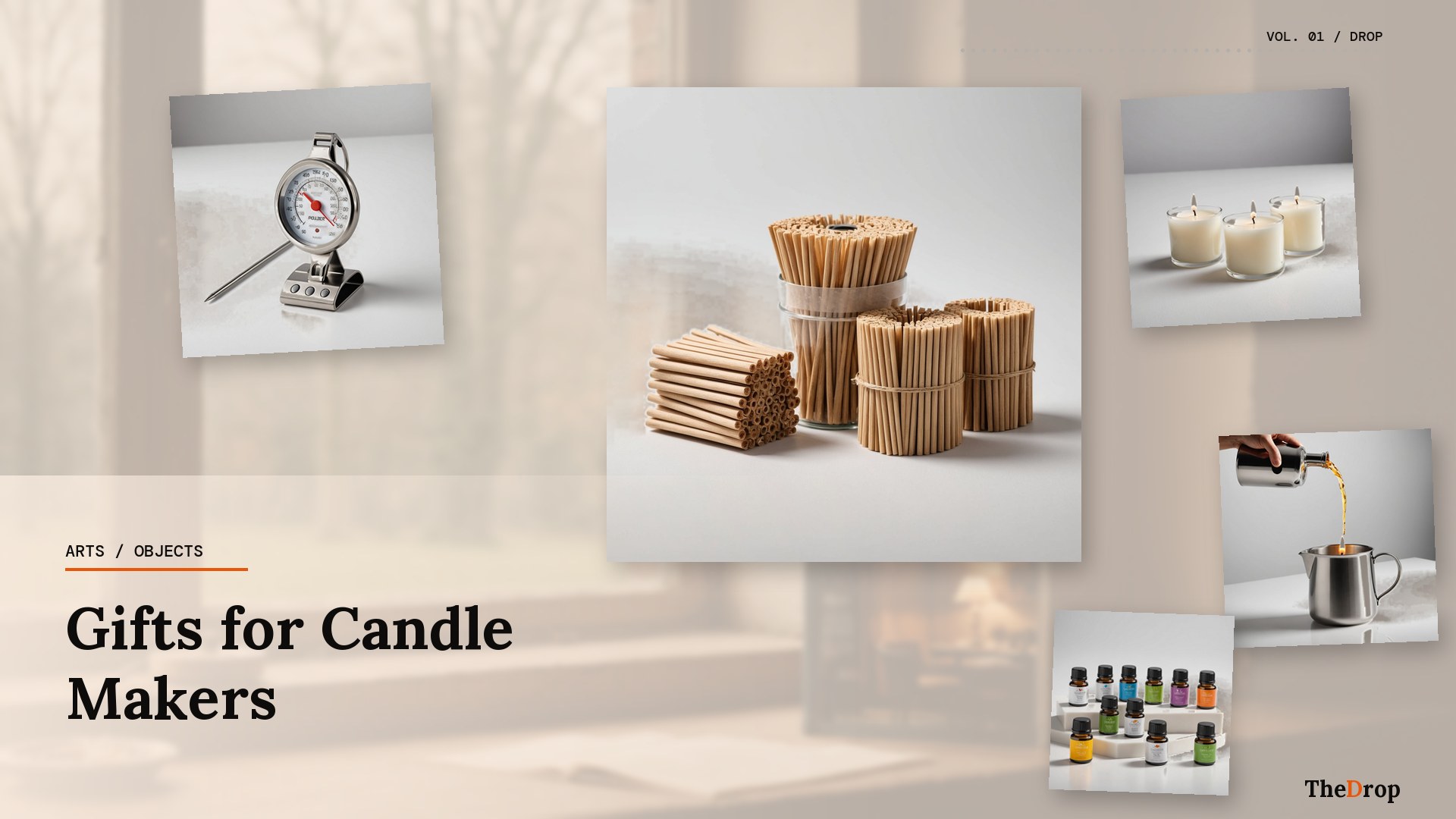
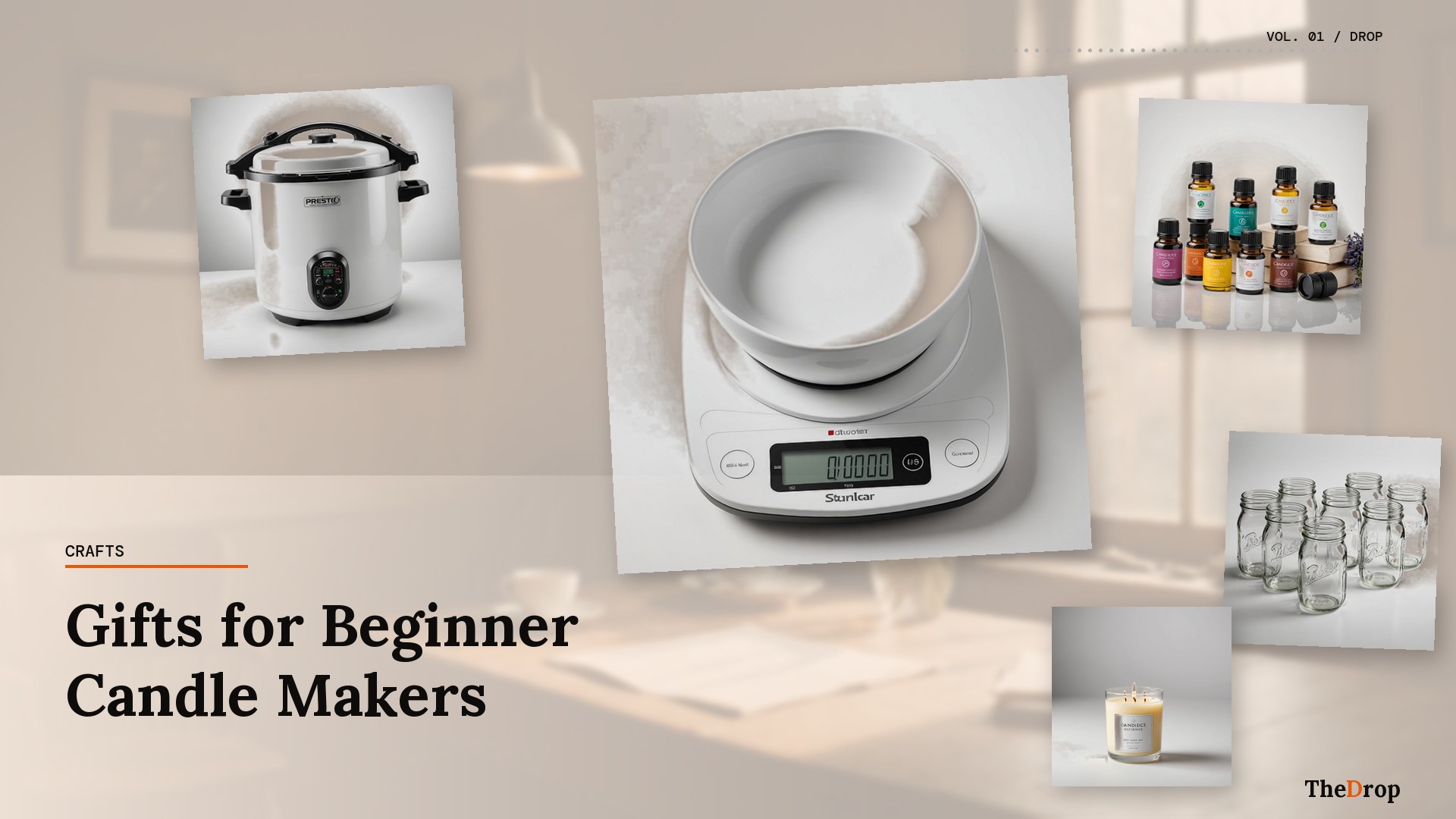
CandleScience Fragrance Oils Sampler Pack (1 oz, 6 Scents)
A curated set of fragrance oils pre-tested for soy wax performance — the critical detail beginners miss when sourcing oils, since not all fragrance oils work equally in soy. CandleScience rates each fragrance for throw strength, soy compatibility, and vanillin discoloration (important for white candles). A sampler set lets someone build their fragrance profile before committing to 8-oz bottles of scents they have not tested.
Wooden Wick Candle Making Kit with 50 Wicks + Holders
A pack of crackling wooden wicks with metal clips for container candles — the alternative to cotton wicks that produces the fireplace sound effect people associate with premium candles. Wooden wicks burn differently enough from cotton that testing them changes a maker's whole approach: wider melt pool, different fragrance throw timing, and the auditory element that makes a candle feel like an event. A natural next experiment for anyone comfortable with cotton wicks.
Presto 06006 Kitchen Kettle Multi-Cooker Steamer (6 qt)
The secret infrastructure upgrade for candle makers who have been using a double-boiler on the stovetop: a dedicated electric wax melter with a thermostat that holds temperature within a few degrees instead of the stovetop guesswork that causes overheated wax and wasted fragrance. The Presto multi-cooker has a devoted candle-making following because the flat bottom holds a 4-lb wax pour without tipping and the temperature dial gives real control.
Digital Kitchen Scale (0.1g precision, 11 lb capacity)
Candle making is wax science, and wax science requires a precise scale. Fragrance load is measured as a percentage of wax weight — even a 1% variation changes scent throw meaningfully, and the volumetric measuring cups in starter kits are not accurate enough for consistent results. A 0.1g precision scale makes the process repeatable: same fragrance load, same wick, same result every pour.
Libbey 16-oz Mason Jar Drinking Glasses (12-Pack)
Wide-mouth glass jars that have become the most popular candle container in the maker community — heat-safe, available in bulk, consistent wall thickness for even cooling, and the kind of vessel that looks intentional rather than improvised. A 12-pack of 16-oz jars is the practical supply replenishment that lets someone batch-pour a full candle run rather than waiting to reorder mid-project.
Fork it. Make it yours. Share before their birthday.
Friends claim items. No duplicates. No awkward conversations.