Gifts for Carnivorous Plant Collectors
Carnivorous plant collectors are not people who bought a Venus flytrap at the hardware store and watched it die. They maintain highland Nepenthes in a climate-controlled grow tent, know which species have triggered traps as recently as this morning, and can explain trichome function in Drosera with alarming detail. The gift category is zero — which means anyone who gets this right is the first person to show up specifically for this community.
RODI Countertop Reverse Osmosis System (Zero TDS, Carnivorous Plant Safe)
A countertop RO system that produces zero-TDS water — the only water safe for carnivorous plants long-term. Tap water minerals accumulate in the growing media and kill the acid-adapted root systems that Venus flytraps, sundews, and pitcher plants evolved with. Collectors who have been buying distilled water by the gallon treat this as the best upgrade they ever made.
“The one reliable rule of gift-giving: anything that makes them look more serious at what they love will be received with disproportionate gratitude.”
Carnivero Sphagnum Moss (Premium Long-Fiber, New Zealand, 100g Dried)
Long-fiber New Zealand sphagnum moss — the gold-standard growing medium for most carnivorous plants, particularly highland Nepenthes, Heliamphora, and Cephalotus. NZ sphagnum stays moist without becoming anaerobic, has a naturally acidic pH, and doesn't compact over time the way lower-grade sphagnum does. The medium that experienced collectors use exclusively for anything they care about.
ExoTerra Faunarium Terrarium (40x25x25cm, Removable Lid, Ventilated)
A plastic terrarium with a removable ventilated lid — the standard highland enclosure for creating the high humidity that Nepenthes rajah and similar species require without soaking everything nearby. The ventilation panels allow gas exchange that solid-lid terrariums don't provide, preventing the fungal growth that kills plants in stagnant enclosures. The setup that intermediate collectors graduate to from open windowsills.
Harris Pearlite and Peat Moss Carnivorous Plant Soil Mix (8 qt, Ready-Mix)
A pre-mixed peat and perlite blend in the 1:1 ratio that most carnivorous plant growing guides specify — the base medium for Venus flytraps, Sarracenia, and most Drosera. Mixing peat and perlite from scratch is straightforward but finding properly acidic peat (not the limed horticultural variety) is the variable that trips beginners. A verified ready-mix removes that sourcing problem.
Long-Neck Watering Can (300mL, Precision Spout, Carnivorous Plant Tray Watering)
A precision long-neck watering can for tray watering carnivorous plants — the bottom-watering method that keeps the trap surfaces dry while maintaining the constant moisture that roots require. Watering over the top wets traps and creates fungal problems; tray watering is the correct method. A small, accurate can with a narrow spout is the tool that makes tray watering precise and un-messy.
Carnivorous Plants by Charles D'Ambrosio (Field Guide, 200+ Species, Illustrated)
A comprehensive species guide covering 200+ carnivorous plant species with habitat, care requirements, and color photography — the reference that serious collectors use to move beyond common cultivars into specialty species. Most care guides online are optimized for beginners; this guide is written for people who already have plants and want to understand what else is possible.
Vivosun Full Spectrum LED Grow Light (45W, 3x3 ft Coverage, Timer Built-In)
A 45W full-spectrum LED grow light with a built-in timer — the indoor growing upgrade for highland Nepenthes, temperate Sarracenia in winter, or Heliamphora that need supplemental light in low-light conditions. Vivosun's lights are the brand most commonly cited in carnivorous plant growing communities for the combination of spectrum quality and price point. The tool that extends the growing season and enables indoor highland growing.
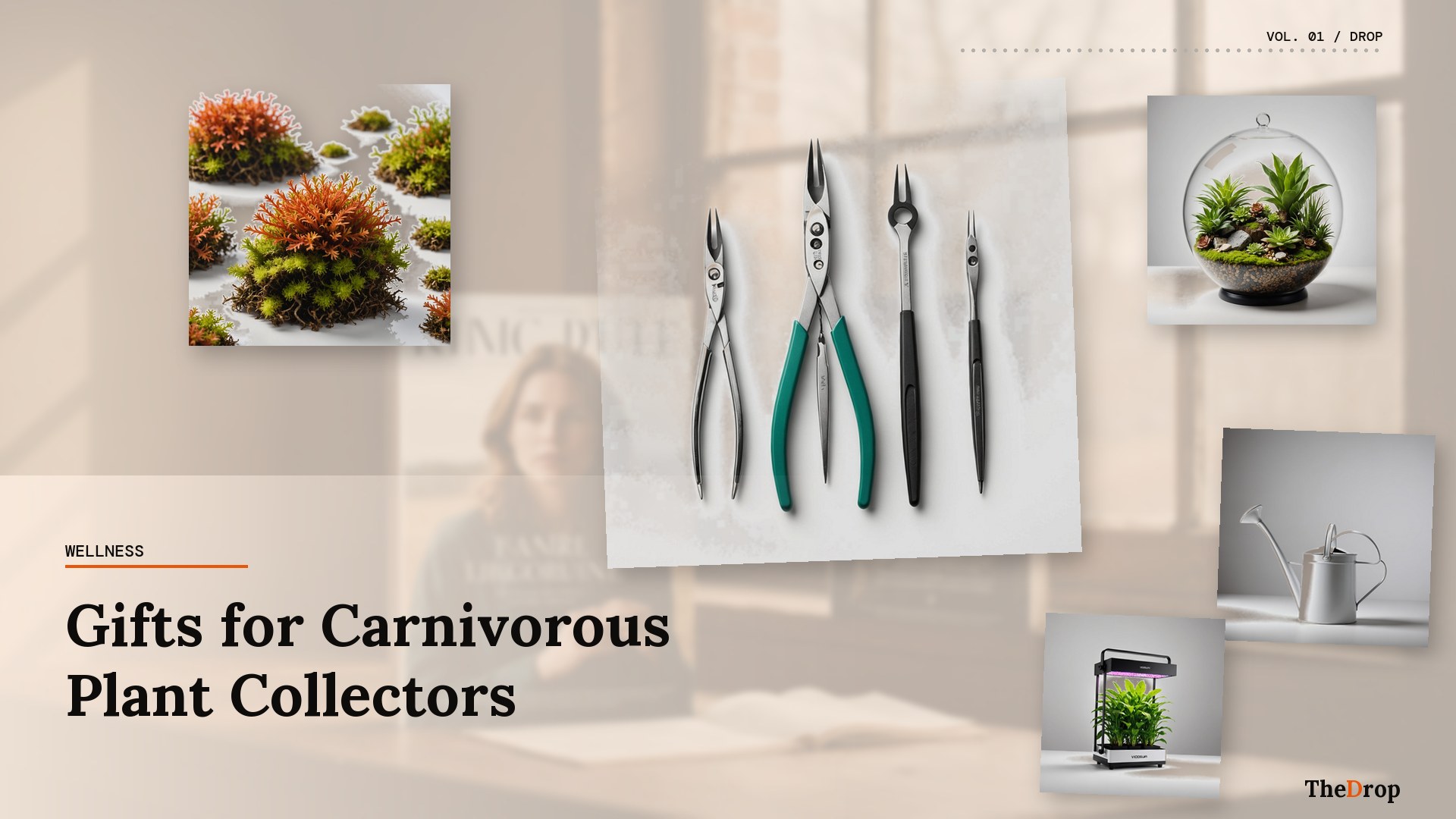
Tweezers and Forceps Plant Tool Set (Stainless, 5-Piece, Terrarium Planting Kit)
Stainless steel tweezers and forceps for planting and repotting inside terrariums — the tools that make transplanting small sundews and tropical Drosera practical without disturbing neighboring plants. Terrarium work with bare hands damages the fine roots that carnivorous plants regrow slowly; precision tweezers let a collector work at the millimeter level without collateral damage.
Fork it. Make it yours. Share before their birthday.
Friends claim items. No duplicates. No awkward conversations.