Gifts for Coptic Stitch Bookbinders
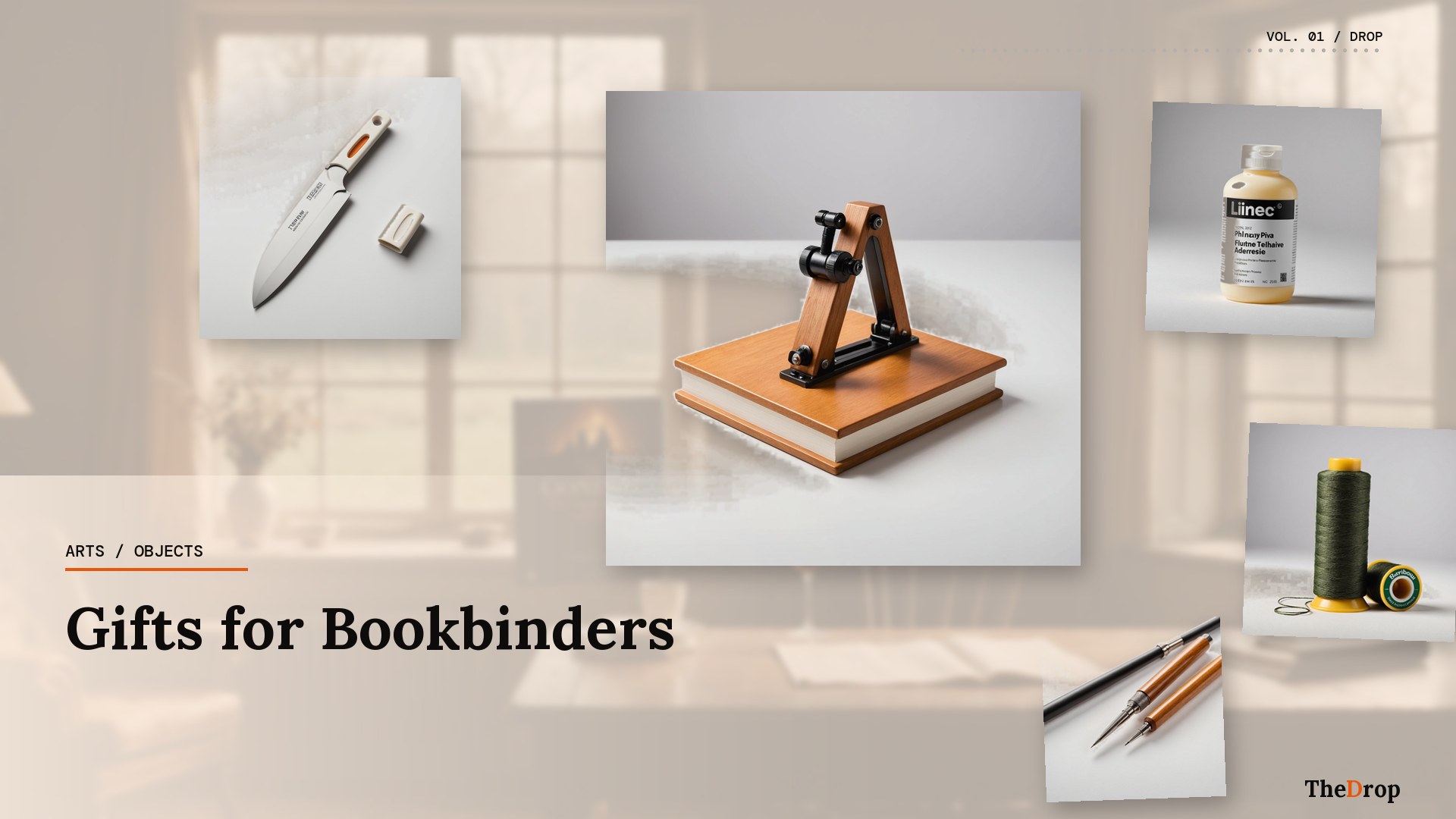
Coptic stitch bookbinding is a 4th-century technique that never needed improving — exposed spine, lay-flat opening, and a visible chain stitch that becomes structural decoration. Practitioners are meticulous about thread quality, board weight, and the particular resistance of a well-pulled stitch. The gifts here are the tools of that meticulous practice.
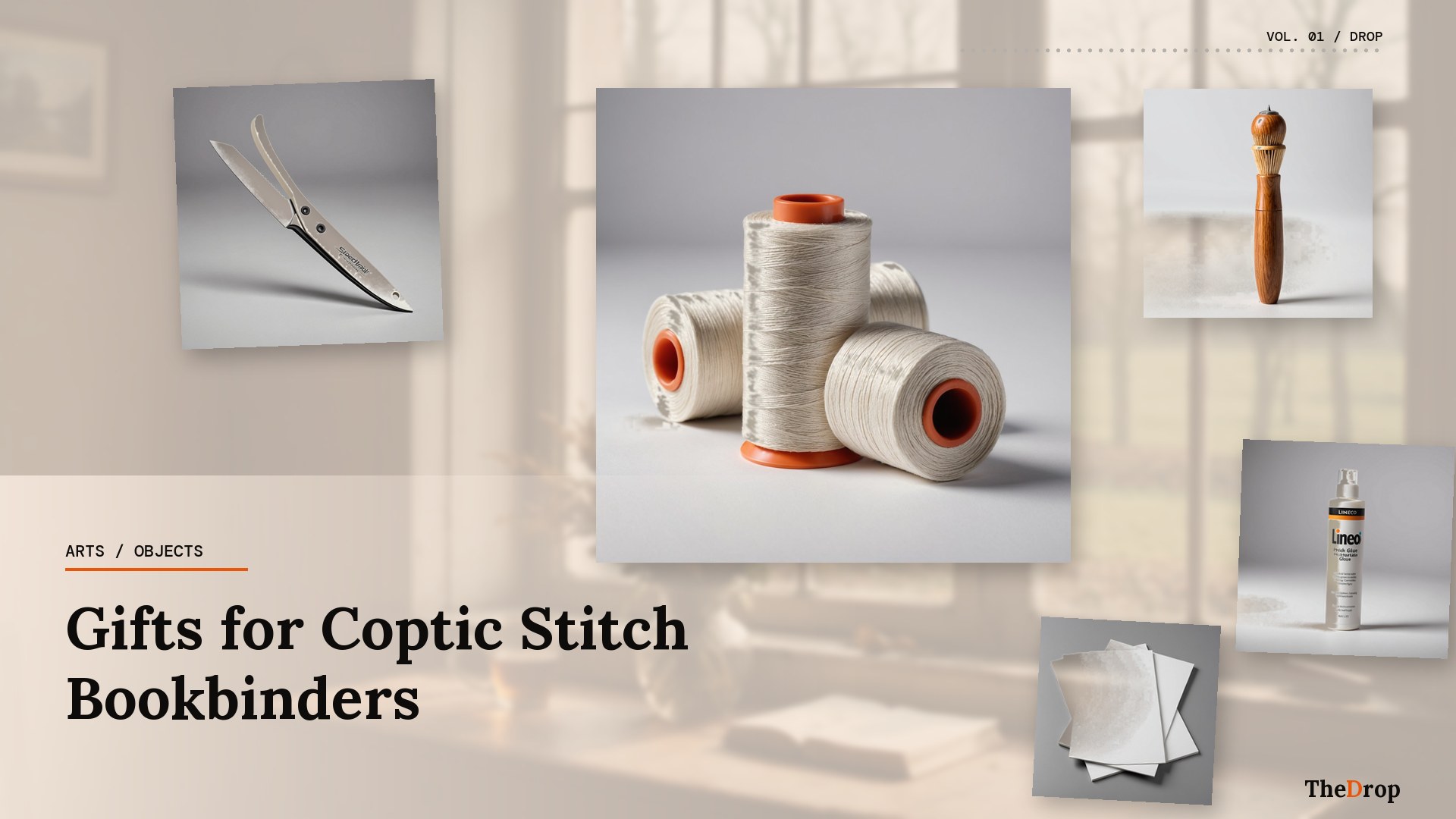
Royale Linen Thread - 18/3 Bookbinding Thread
18/3 linen thread is the standard weight for most Coptic bindings — strong enough to pull tight without breaking, fine enough to pass through dense signatures without enlarging the hole.
“The one reliable rule of gift-giving: anything that makes them look more serious at what they love will be received with disproportionate gratitude.”
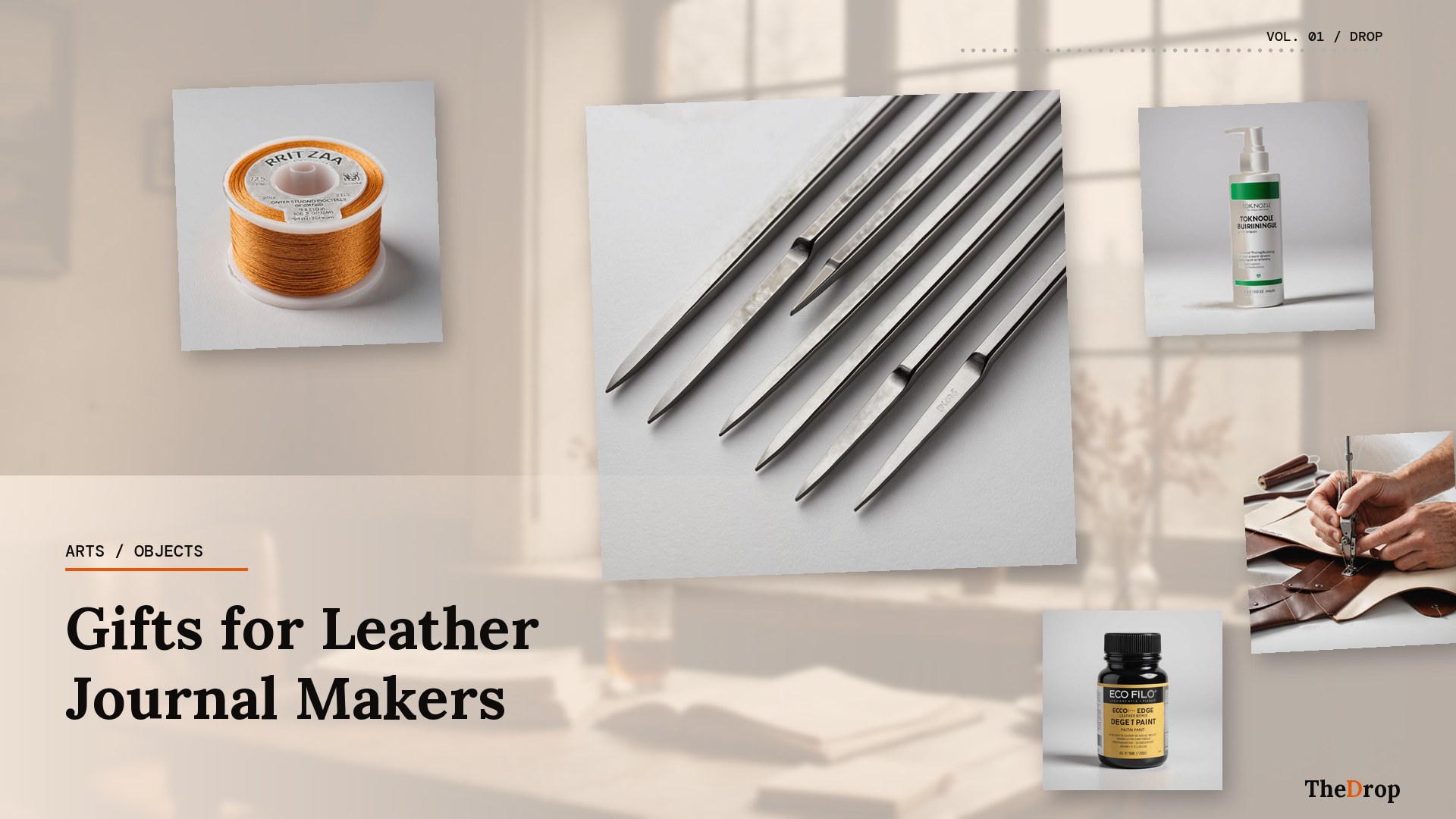
Bookbinding Curved Needles - Set of 6
Curved needles are essential for Coptic sewing — they navigate between spine holes and through link stitches without wrist contortion. A good set covers multiple thread weights.
Speedball Bone Folder - 8 Inch
Folding text block signatures and scoring board covers is where bone folders earn their place. The 8-inch length handles full folio sheets without repositioning mid-fold.
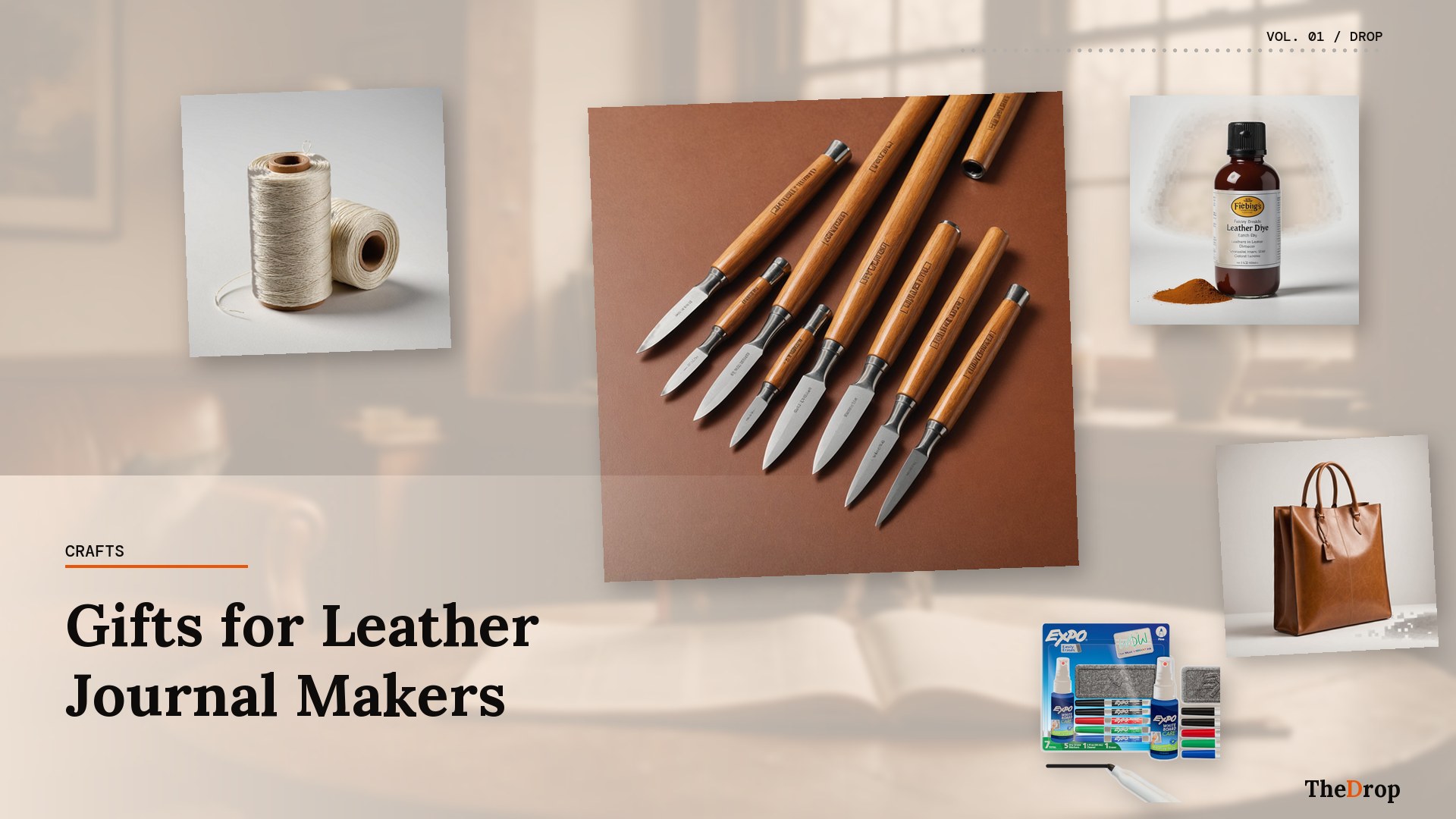
Awl with Wooden Handle - Bookbinding Pricking Awl
Consistent hole placement is everything in Coptic binding — the stitch only works if every signature's holes align perfectly. A sharp awl with a comfortable grip is the single most-used tool.
Lineco Neutral pH Glue - 8 oz
Even a thread-only binding uses paste at cover attachment points. Lineco's pH-neutral formula won't yellow or embrittle the paper over decades — the same reason archives use it.
Canson Mi-Teintes Cover Weight Board - 10 Sheets
Cover boards for Coptic bindings need to be substantial enough to hold their shape without warping. Canson's textured cotton board takes scoring cleanly and provides enough stiffness without laminating.
Coptic Bookbinding: History and How-To - Esther K. Smith
A proper historical and technical grounding for a technique that deserves both. Covers traditional link-stitch variants and contemporary modifications for different paper weights.
Binder's Board - 10 Sheets 9x12 Inch
High-density binder's board is the archival-quality choice for cover boards — dimensionally stable, cut clean, and available in a weight that suits most journal and book formats.
Fork it. Make it yours. Share before their birthday.
Friends claim items. No duplicates. No awkward conversations.