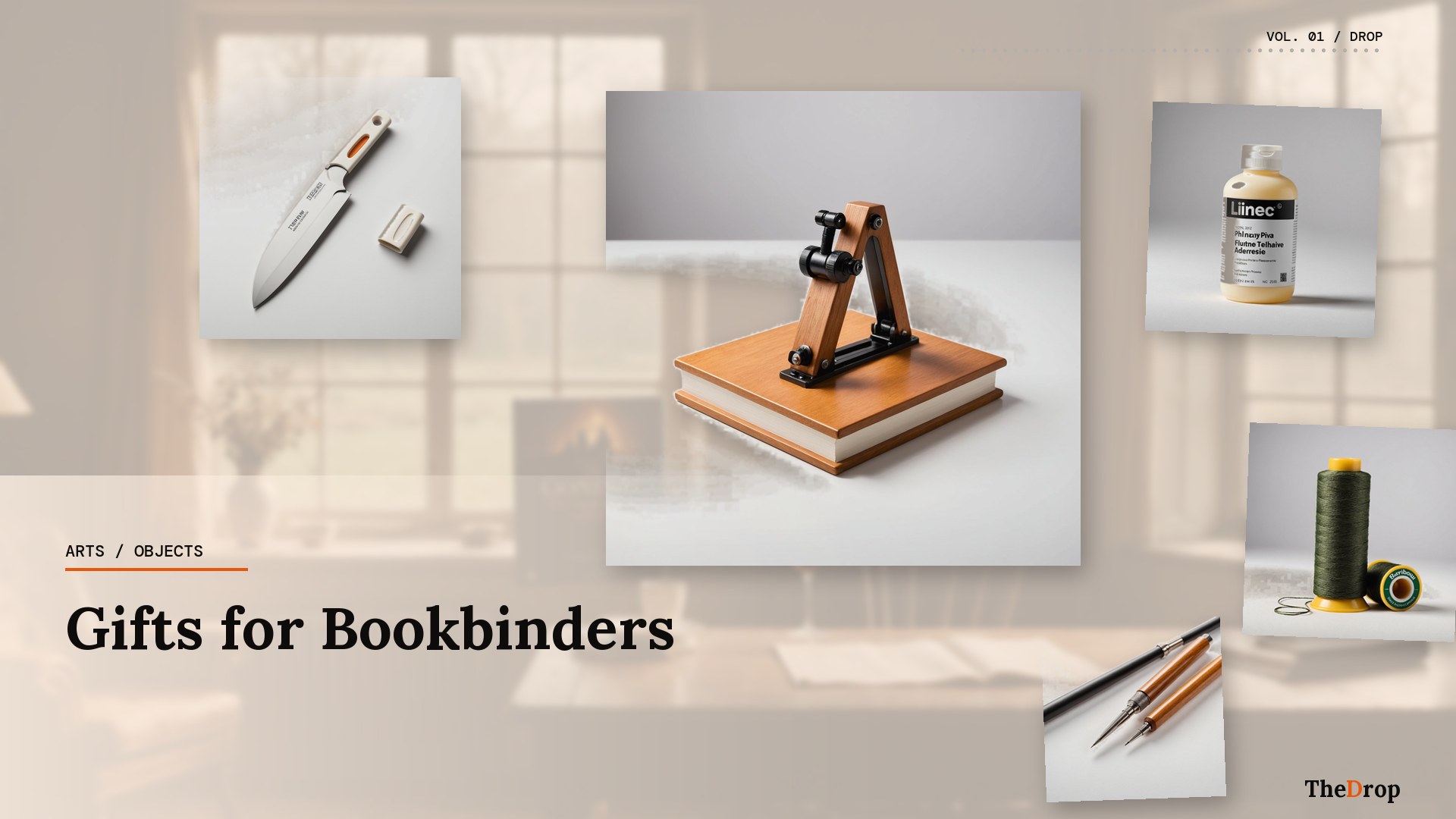
Gifts for Bookbinders
Bookbinding is the handcraft that outsiders most consistently underestimate — they think glue and cardboard, not signature sewing patterns and archival adhesives that remain reversible for centuries. The binders who make journals worth giving own tools made from materials that behave: genuine bone or Teflon folders, PVA that does not yellow, linen thread waxed for strength and smoothness. These gifts work because they upgrade the one part of the kit the binder has been tolerating rather than loving.
Teflon Bone Folder — 6-Inch
A Teflon-coated folder glides across paper and book cloth without leaving shine marks that a plastic folder would burn in — the upgrade that every bookbinder who has used a cheap plastic one regrets not making earlier. Precise enough for scoring, robust enough for heavy casing work.
“The one reliable rule of gift-giving: anything that makes them look more serious at what they love will be received with disproportionate gratitude.”
Lineco Neutral pH PVA Adhesive — 8oz
Archival-grade PVA that remains flexible when dry and does not yellow over time — the adhesive that conservation bookbinders and fine-press binderies specify. The choice that ensures a handmade journal holds together for decades rather than seasons.
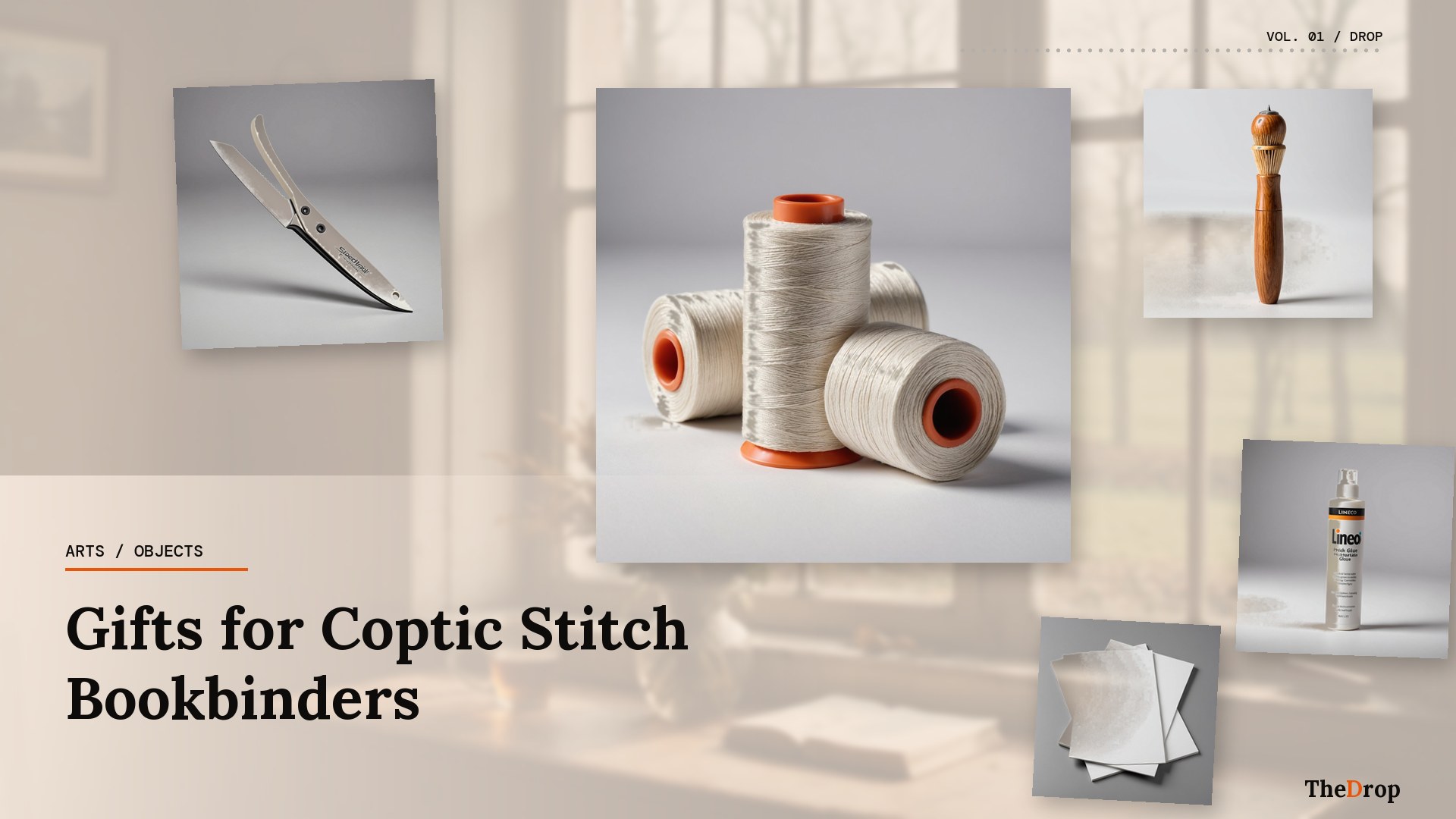
Barbour Irish Waxed Linen Thread — 18/3, Natural
The linen thread that the bookbinding community reaches for on Coptic stitch, long stitch, and exposed-spine structures — strong enough to pull tight without breaking, waxed for smooth passage through folded signatures without sawing through the paper.
Canson Ingres Laid Text Weight Paper — 50 Sheets
Lightweight, cream laid paper that folds cleanly into signatures without cracking at the spine — the stock that binders use for blank books and journals where the writing experience matters as much as the structure. Available in the text weight that handles fountain pen ink without bleed.
Bookbinding: A Step-by-Step Guide by Kathy Abbott
A methodical guide that covers Coptic stitch, Japanese stab binding, case binding, and French link stitch with clear diagrams and material specifications — written by a practicing bookbinder rather than a craft generalist. The reference that binders return to when they attempt a new structure for the first time.
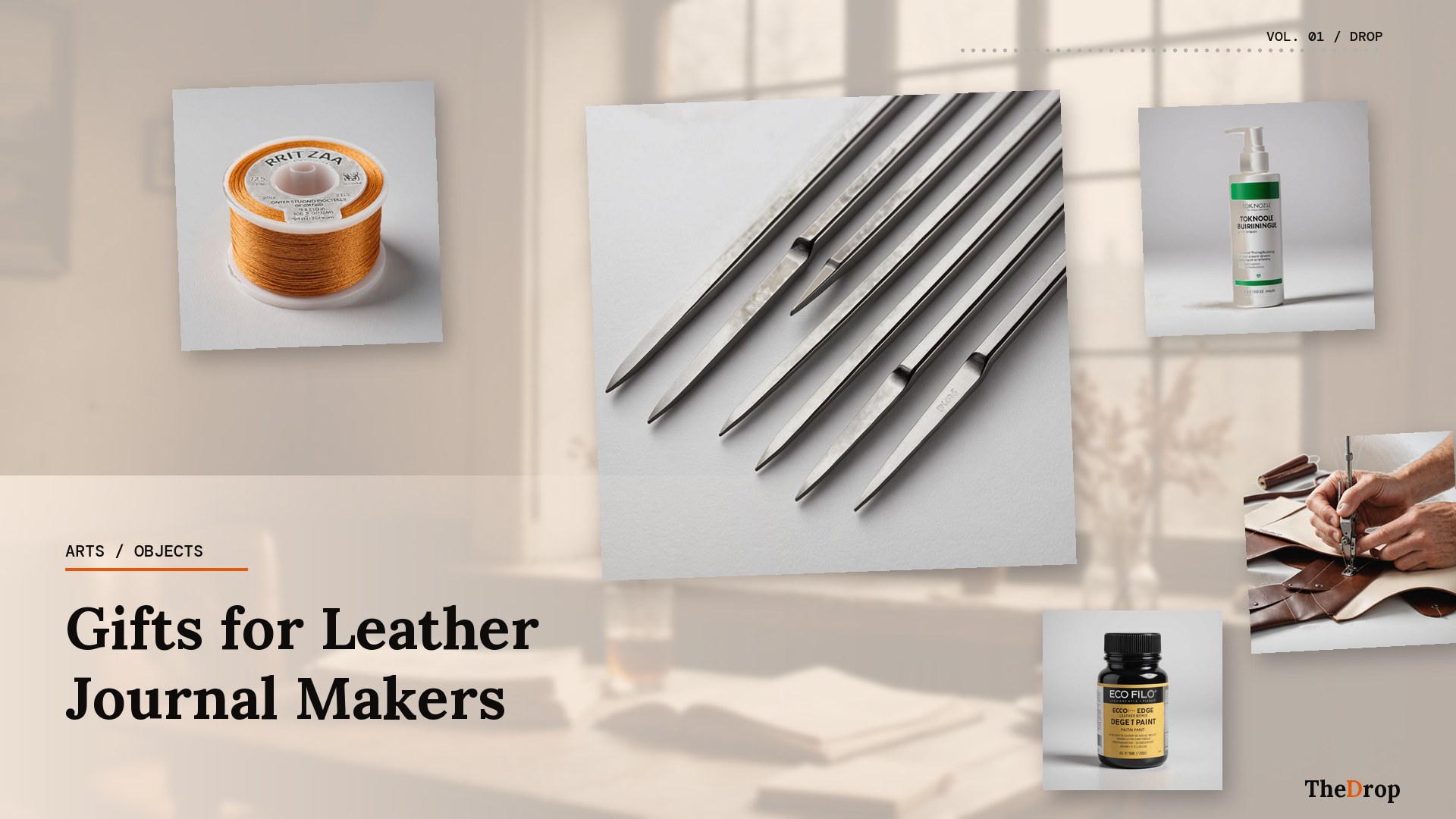
Awl — Square Bookbinder's Sewing Awl with Wooden Handle
A properly weighted awl with a square-taper point that pierces signatures without tearing the paper fiber — the tool that makes consistent sewing station holes possible. The kind of specific, purpose-made tool that signals a giver who paid attention.
Davey Board — Grey Bookbinding Board, 10-Pack
Archival grey board cut for hardcover case binding — the substrate that conservation binders use because it accepts PVA adhesion cleanly and provides rigid spine support. A restocking gift that experienced binders always need more of and rarely buy in advance.
Bookbinding Triangle Clamp Press — Wooden
A simple wooden book press holds covers and spines under even pressure while adhesives cure — the tool that prevents warped boards and uneven spine rounding. Compact enough for a home studio, and the kind of infrastructure upgrade that a bookbinder appreciates each time they open a finished book.
Fork it. Make it yours. Share before their birthday.
Friends claim items. No duplicates. No awkward conversations.