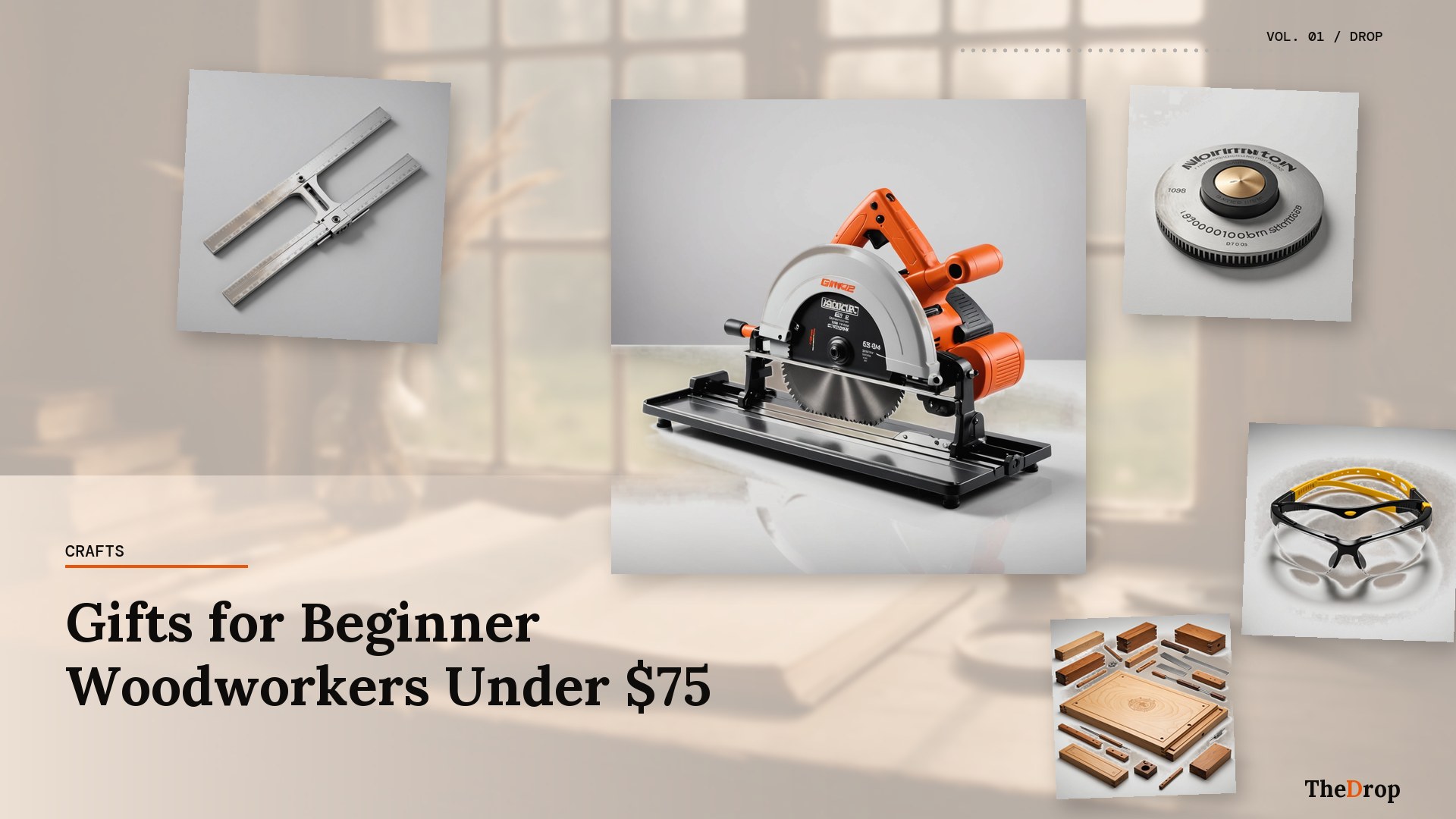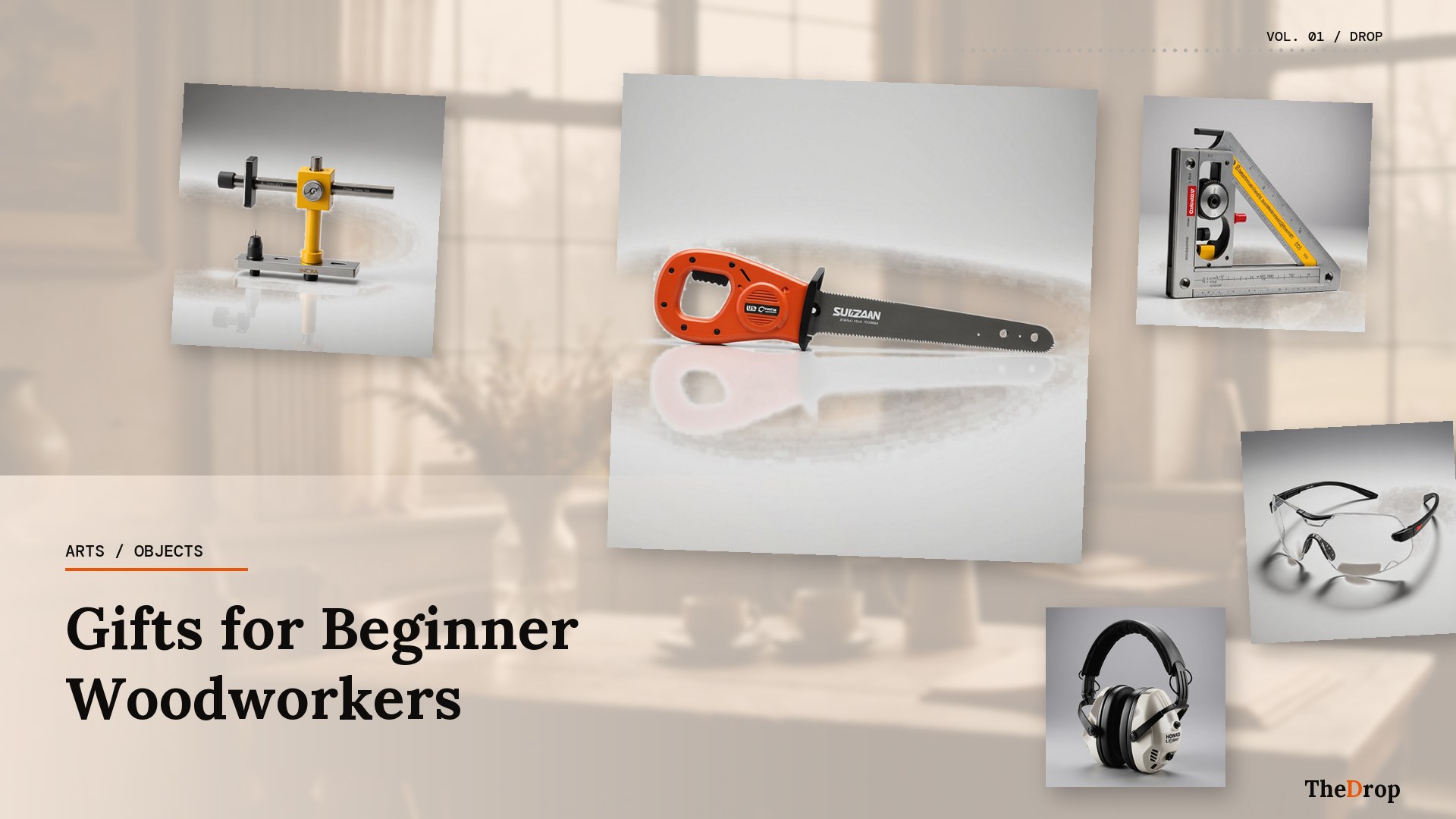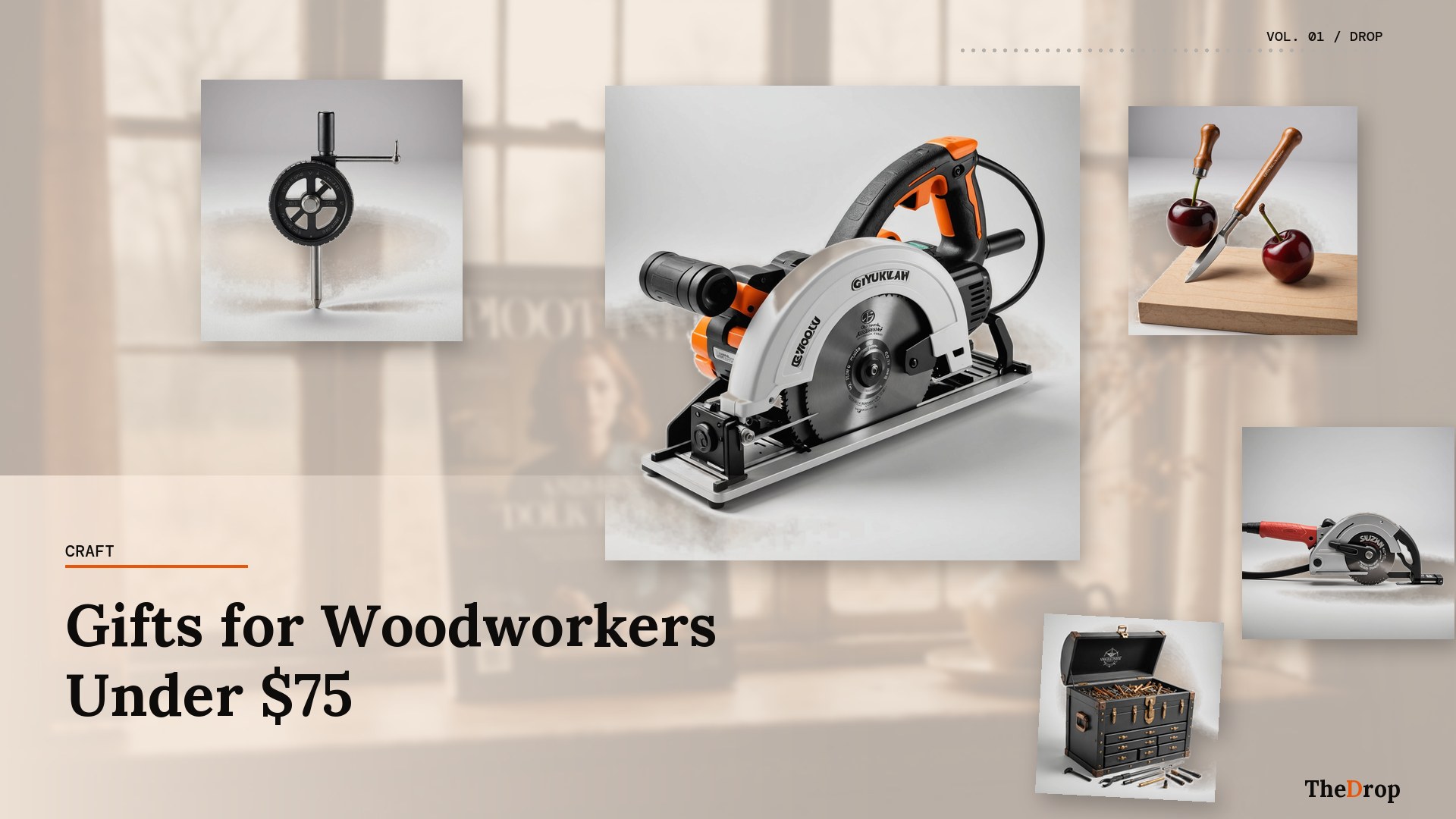
Gifts for Woodworkers Under $75
Woodworkers do not want a gift that says you Googled "woodworking gifts" at 11 p.m. They want the quality consumable they've been deferring — the Japanese pull saw, the marking gauge with actual brass, the one chisel they keep eyeing. This drop earns trust by naming the tool makers that woodworking communities swear by.

Gyokucho Razorsaw 9.5-Inch Double Edge Pull Saw
Made in Japan with impulse-hardened teeth that cut on the pull stroke and stay sharp several times longer than a Western push saw — the WoodTalk forum standard recommendation for the first Japanese saw any shop should own. One side cuts rip, the other crosscut, and both leave surfaces clean enough that you can skip the scraper on finished joints.
“The one reliable rule of gift-giving: anything that makes them look more serious at what they love will be received with disproportionate gratitude.”
Veritas Wheel Marking Gauge
A wheel cutter rather than a pin scores a knife-line rather than a torn fiber line — the difference between a crisp dovetail baseline and one that splits when you chop. Canadian-made, rosewood stock, brass hardware that locks without stripping. The marking gauge the hand-tool community recommends as a first serious upgrade from a hardware-store pin gauge.
Two Cherries 3/4-Inch Piggyback Bench Chisel
A single well-made chisel from a respected German maker beats a set of six mediocre ones every time — the 3/4-inch is the most useful width in furniture making, hitting everything from mortise cleaning to paring tenons. Two Cherries chrome-vanadium steel holds an edge through a full work session without begging for the honing stone.
Crown Tools Card Scrapers (3-Pack with Burnisher)
Card scrapers do what sandpaper can't — they shear surface fibers clean on figured wood where any abrasive tears and raises grain, leaving a glass surface without dust. The three-profile set (rectangular, curved, gooseneck) covers curved moldings and flat panels. The included burnishing rod turns a dull edge in under two minutes at the bench.
Suizan Japanese Pull Saw Flush Cut (6-Inch)
A flexible-spine flush-cut saw for trimming through-tenons and wooden plugs perfectly flush with a surface — one of those specialist tools that, once you own one, you can't imagine having done without. Suizan makes a reliable entry into Japanese saws at a price that makes it an easy buy.
Shapton Kuromaku 1000-Grit Waterstone
Japanese ceramic waterstone that cuts fast, flattens slowly, and gives the reliable feedback that cheap combo stones don't — the 1000-grit is the workhorse level for reprofiling a neglected bevel and setting up a quick working edge. Kuromaku is where serious hand-tool woodworkers start when they switch from oil stones.
Empire Level 6-Inch Precision Combination Square
The tool that woodworkers reach for fifty times per project and rarely buy for themselves because it feels too basic to be a gift — an accurate combination square is the foundation of everything that stays square, plumb, and true. Empire Level's 6-inch holds tolerance and the blade locks without slop, which matters when you're using it to scribe dovetail lines.
"The Anarchist's Tool Chest" by Christopher Schwarz
Christopher Schwarz's argument for a focused, quality-over-quantity hand-tool kit is the book that converted a generation of power-tool woodworkers to hand tools — it reads like manifesto and reference simultaneously. The chapter on buying secondhand planes alone is worth the price for any woodworker still buying hardware-store tools.
Fork it. Make it yours. Share before their birthday.
Friends claim items. No duplicates. No awkward conversations.